Key Takeaways
- Both symptoms are commonly caused by peptic ulcers, which are sores in the stomach or duodenum lining.
- The most frequent underlying factors include Helicobacter pylori infection and long-term NSAID use.
- Gastric pain and duodenal pain differ mainly by timing: gastric pain often worsens soon after eating, while duodenal pain typically appears hours later or on an empty stomach.
- Additionally, gastric pain usually gets worse after eating, while duodenal pain often improves briefly with food but then returns a few hours later, making meal timing a helpful early clue when differentiating between the two.
What Are Gastric Pain and Duodenal Pain?
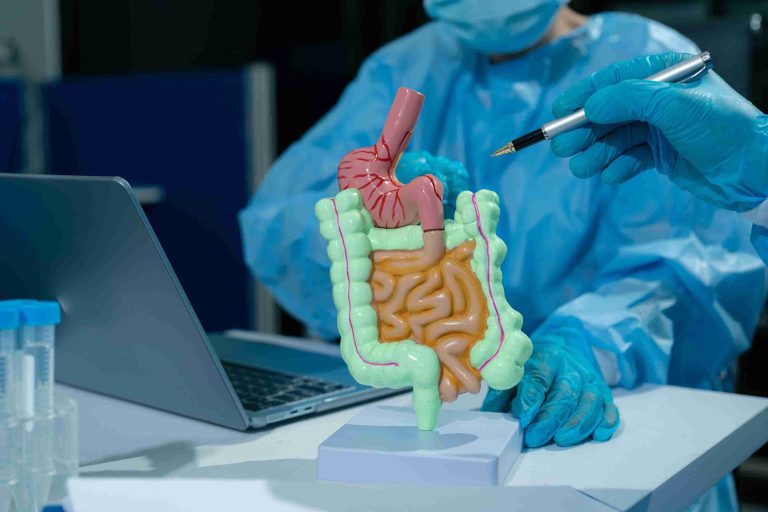
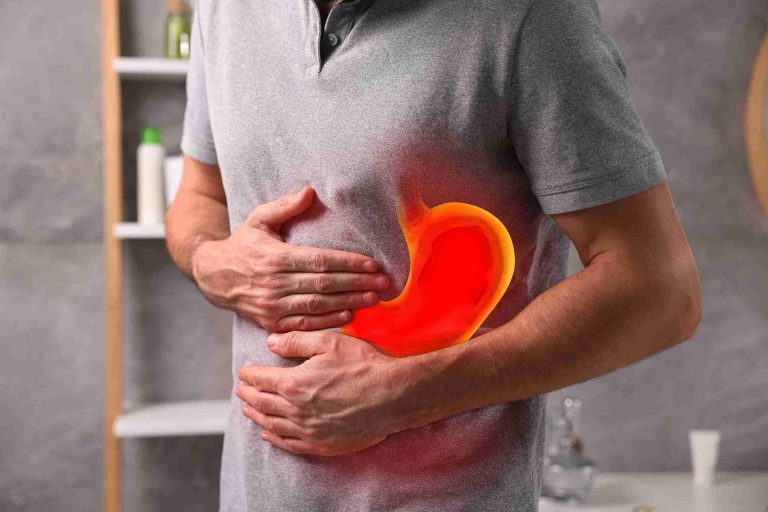
Gastric pain refers to discomfort from the stomach lining, whereas duodenal pain arises from the duodenum, the first portion of the small intestine. Both types of pain are often caused by peptic ulcers, open sores that develop when stomach acid erodes the protective mucosal lining, most commonly due to H. pylori infection or the use of NSAIDs [1].
Peptic ulcers are common globally. Estimates suggest that 5–10% of people will develop an ulcer at some point in their lives. While symptoms may overlap, the location of the ulcer influences how and when pain is felt.
Primary Causes of Gastric Pain vs Duodenal Pain
Helicobacter pylori Infection
Helicobacter pylori (H. pylori) infection is a leading cause of both gastric pain and duodenal pain. The bacterium weakens the mucous protective layer, allowing acid to damage underlying tissue. H. pylori is implicated in up to 70% of gastric ulcers and over 90% of duodenal ulcers [2].
NSAIDs and Medication Use
Regular use of nonsteroidal anti-inflammatory drugs (NSAIDs) such as ibuprofen, aspirin, and naproxen can disrupt mucosal protection and promote ulcer formation. NSAID use increases the risk of ulcers by 3–4 times compared to non-users. This effect is more strongly associated with gastric ulcers than duodenal ulcers [3].
Additional Risk Factors
Other contributors include:
- Smoking and tobacco use
- Heavy alcohol consumption
- Severe illness
- Rare conditions like Zollinger–Ellison syndrome (causes excess acid)
These risk factors can aggravate both gastric discomfort and duodenal pain by increasing acid exposure or weakening mucosal defenses.
Patterns of Pain: Key Differences
The most practical way to distinguish gastric pain from duodenal pain is by evaluating symptom timing and its relationship to meals.
Gastric Pain vs Duodenal Pain Comparison
| Feature | Gastric Pain (Gastric Ulcer) | Duodenal Pain (Duodenal Ulcer) |
| Location | Stomach lining | Duodenum (first part of small intestine) |
| Timing After Meals | 30–60 minutes after eating | 2–3 hours after meals |
| Effect of Food | Worsens with eating | Improves briefly with food, then returns |
| Pain Description | Burning, aching discomfort | Burning or gnawing sensation |
| Night Symptoms | Less common | May awaken patient at night |
| Common Association | More linked to NSAID use | More strongly linked to H. pylori infection |
Because gastric distress often intensifies with food, eating can sometimes make symptoms more prominent than discomfort between meals. In contrast, food temporarily neutralizes acid in the duodenum, which explains why duodenal discomfort may ease after eating before returning later.
Although these timing patterns are helpful clinical clues, symptom overlap means proper medical evaluation is still necessary. Recognizing these timing and symptom patterns can assist clinicians in identifying duodenal ulcers and tailoring appropriate management [4].
Common Accompanying Symptoms
Both gastric ache and duodenal pain can be accompanied by:
- Bloating
- Burping
- Indigestion
- Mild nausea
More serious presentations can include:
- Unintended weight loss
- Vomiting blood
- Black, tarry stools
These warning signs may indicate bleeding ulcers or other complications and should prompt urgent medical evaluation [5].
Diagnosis: How Clinicians Tell Them Apart
Medical History and Physical Exam
A thorough history focuses on the relationship between symptoms and meals, medication use, and risk factors. Diagnosis typically involves a comprehensive review of NSAID use and other risk factors, alongside evaluation of meal-related symptom patterns [6]. Physical examination identifies tenderness patterns that may suggest ulcer disease.
Testing for H. pylori
Tests include:
- Breath test
- Stool antigen test
- Blood antibody test
Identifying H. pylori is critical because treating the infection significantly reduces recurrence of ulcers.
Upper Endoscopy
An upper endoscopy (EGD) allows direct visualization of ulcers and tissue sampling if needed. For suspected gastric ulcers, endoscopy is especially important because it can also rule out malignancy, which is a concern in chronic gastric ulcer disease.
Endoscopy remains the most definitive test to differentiate between gastric and duodenal ulcers and assess the severity of mucosal damage.
Treatment Strategies
Medications
- Proton Pump Inhibitors (PPIs): Reduce acid production and promote ulcer healing.
- H2 Blockers: Alternative acid blockers.
- Antibiotics: Used when H. pylori infection is present.
- Discontinuing or adjusting NSAIDs: Reduces mucosal injury.
With appropriate therapy, most ulcers heal within 4–8 weeks.
Lifestyle Modifications
To support healing and reduce recurrence:
- Quit smoking
- Limit alcohol consumption
- Eat smaller, balanced meals
- Avoid foods that trigger symptoms
These changes reduce irritation and help manage gastric pain and duodenal discomfort.
When to Seek Urgent Medical Care
Seek urgent attention if you experience:
- Vomiting blood
- Black, tarry stools
- Severe, sudden abdominal pain
- Dizziness or fainting
These signs may suggest serious complications such as bleeding, perforation, or obstruction — all of which are medical emergencies.
Long-Term Outlook and Prevention
Controlling risk factors such as chronic NSAID use and treating H. pylori infection lowers the chance of ulcer recurrence. For gastric ulcers, follow-up endoscopy is sometimes recommended to ensure complete healing and to exclude malignancy. With effective treatment and lifestyle adjustments, long-term outcomes are generally favorable.
Conclusion
Differentiating between epigastric pain and duodenal pain is primarily based on symptom timing relative to meals. Gastric ache worsens after eating, while duodenal pain often improves briefly with food before returning later. Both can be caused by peptic ulcers linked to H. pylori infection and NSAID use. Persistent or severe symptoms warrant professional evaluation, including tests for H. pylori and direct visualization of the digestive tract. Early diagnosis and proper management improve healing and quality of life.
References
- MedlinePlus. (2024). Peptic ulcer disease: Overview. U.S. National Library of Medicine. https://www.ncbi.nlm.nih.gov/books/NBK534792/
- American Academy of Family Physicians. (2023). Peptic ulcer disease and Helicobacter pylori infection. https://www.aafp.org/pubs/afp/issues/2023/0200/peptic-ulcer-disease-h-pylori-infection.html
- National Center for Biotechnology Information. (2018). NSAID-induced gastrointestinal complications. https://www.ncbi.nlm.nih.gov/pmc/articles/PMC6140150/
- StatPearls. (2023). Gastric versus duodenal ulcers: Pain patterns and symptom timing. https://www.ncbi.nlm.nih.gov/books/NBK557390/
- Mayo Clinic. (2023). Peptic ulcer: Symptoms and causes. https://www.mayoclinic.org/diseases-conditions/peptic-ulcer/symptoms-causes/dxc-20231407
- Medscape. (2023). Peptic ulcer disease: Clinical overview and treatment. https://emedicine.medscape.com/article/181753-clinical