Key Takeaways
- High consumption of refined sugars and processed foods can exacerbate gastric pain by increasing stomach acidity and promoting inflammation.
- Certain food additives, preservatives, and artificial sweeteners in processed foods may irritate the gastric lining.
- Managing gastric pain involves dietary modifications, including reducing sugary and highly processed foods.
- Early intervention and understanding dietary triggers improve long-term digestive health and symptom management.
Understanding Gastric Pain
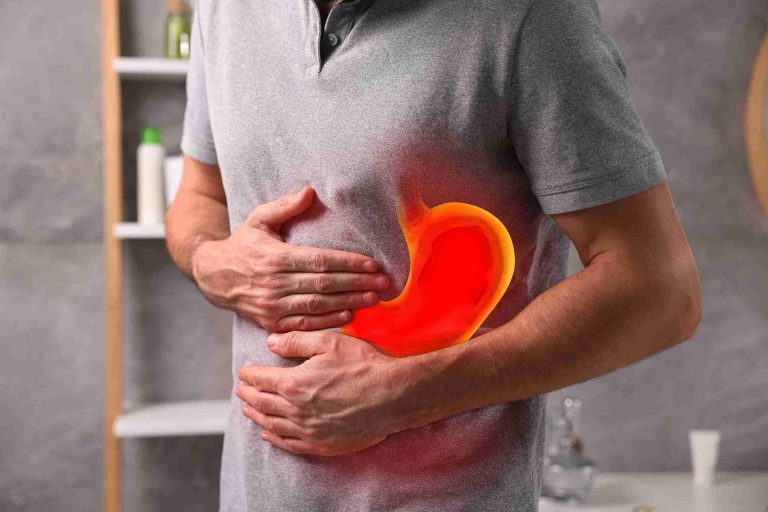
Gastric pain refers to discomfort or burning sensations in the upper abdomen, often caused by irritation of the stomach lining or digestive tract. Common causes include:
- Gastritis or inflammation of the stomach lining
- Acid reflux or gastroesophageal reflux disease (GERD)
- Peptic ulcers
- Food intolerances or poor dietary habits
Although multiple factors contribute to gastric pain, diet plays a significant role, particularly the consumption of refined sugars and processed foods.
How Refined Sugars Affect Gastric Health
Refined sugars, found in sweets, candies, soft drinks, and desserts, can worsen gastric pain through several mechanisms:
- Increased Stomach Acid Production: Sugary foods trigger higher acid secretion, irritating the gastric lining.
- Impaired Digestion: Excess sugar can slow gastric emptying, leading to bloating, discomfort, and pain.
- Altered Gut Microbiota: High sugar intake promotes the growth of harmful bacteria, potentially increasing inflammation and gastric sensitivity.
Reducing refined sugar intake is a critical step in managing gastric pain and improving overall digestive function.
The Role of Processed Foods
Processed foods often contain additives, preservatives, and artificial ingredients that can aggravate gastric pain:
- High Salt Content: Excess sodium can disrupt stomach lining integrity and exacerbate acid-related discomfort.
- Artificial Sweeteners: Certain sweeteners may cause bloating, gas, or irritation in sensitive individuals.
- Preservatives and Additives: Chemicals like nitrates or monosodium glutamate (MSG) may trigger gastric inflammation or pain.
- Low Nutrient Density: Processed foods often lack fiber and essential nutrients, reducing protective effects for the stomach and intestines.
Avoiding or minimizing processed foods can significantly reduce the frequency and intensity of gastric pain episodes.
Mechanisms Linking Diet to Gastric Pain
Several physiological mechanisms explain why refined sugars and processed foods worsen gastric discomfort:
1. Increased Inflammation
High-sugar and processed diets can lead to chronic low-grade inflammation in the gastrointestinal tract. Inflamed gastric tissues are more sensitive to acid and other digestive enzymes, resulting in pain.
2. Acid Secretion Imbalance
Sugars stimulate acid production, while certain processed foods reduce protective mucus in the stomach lining. This imbalance can lead to irritation, burning sensations, and peptic ulcers.
3. Gut Microbiome Disruption
Diets high in refined sugars favor harmful bacteria over beneficial strains. An imbalanced microbiome may increase susceptibility to gastritis and stomach pain.
4. Delayed Gastric Emptying
Processed foods high in fats and sugars slow stomach emptying. Delayed digestion increases pressure, bloating, and abdominal discomfort, aggravating gastric pain.
Foods to Limit or Avoid
To manage gastric discomfort, individuals should reduce intake of:
- Sugary drinks, candies, and desserts
- Fast food, fried items, and packaged snacks
- Processed meats containing nitrates or high sodium
- Foods with artificial sweeteners or excessive additives
Substituting these with natural, whole foods can alleviate symptoms and improve digestive health.
Foods That Help Relieve Gastric Pain
While reducing trigger foods, incorporating protective foods supports gastric health:
- High-Fiber Foods: Whole grains, vegetables, and fruits promote healthy digestion.
- Lean Proteins: Fish, poultry, and plant-based proteins are less irritating than fatty processed meats.
- Probiotic-Rich Foods: Yogurt, kefir, and fermented vegetables support a healthy gut microbiome.
- Alkaline or Mild Foods: Oats, bananas, and cooked vegetables can buffer stomach acidity.
Balanced dietary choices can reduce inflammation, acid irritation, and the frequency of gastric pain episodes.
Lifestyle Strategies to Complement Diet
In addition to dietary adjustments, lifestyle changes are crucial for managing gastric pain:
- Eat Smaller, Frequent Meals: Reduces stomach stress and prevents excess acid production.
- Avoid Late-Night Eating: Minimizes reflux and nocturnal gastric discomfort.
- Manage Stress: Stress increases stomach acid and sensitivity, contributing to gastric pain.
- Stay Hydrated: Adequate water intake supports digestion and neutralizes excess stomach acid.
Combining these strategies with dietary modifications optimizes gastric health.
When to Seek Medical Advice
Persistent gastric pain should not be ignored. Consult a healthcare provider if you experience:
- Severe or worsening abdominal pain
- Blood in stool or vomit
- Unexplained weight loss
- Persistent nausea, vomiting, or bloating
Early evaluation ensures proper diagnosis, which may include endoscopy, imaging, or laboratory tests, and guides effective treatment.
Medical Interventions
For individuals whose gastric pain does not improve with dietary and lifestyle adjustments, medical interventions may be necessary:
- Medications: Antacids, proton pump inhibitors (PPIs), or H2 blockers to reduce stomach acid
- Endoscopy: Diagnostic procedure to examine the stomach lining for ulcers, inflammation, or other abnormalities
- Treatment of Underlying Conditions: Management of H. pylori infection, gastritis, or ulcers
Combining medical care with dietary changes provides comprehensive management for gastric pain.
Conclusion
Refined sugars and processed foods are significant contributors to gastric pain due to their effects on stomach acid, inflammation, gut microbiota, and digestion. By reducing these dietary triggers and incorporating fiber-rich, probiotic, and easily digestible foods, individuals can alleviate discomfort and support long-term digestive health.
Coupled with lifestyle adjustments and medical guidance when necessary, dietary management can play a pivotal role in controlling gastric pain, improving quality of life, and preventing complications. Awareness of food triggers, proactive monitoring of symptoms, and early intervention are essential for effective gastric health management.