Key Takeaways
- Early recognition of liver-related gastric pain is crucial to prevent serious complications.
- Symptoms such as jaundice, dark urine, and nausea alongside gastric pain often indicate liver involvement.
- Not all gastric pain originates from the stomach; liver conditions can manifest as upper abdominal discomfort.
- Timely medical evaluation and diagnostic testing can differentiate liver disease from other gastrointestinal causes.
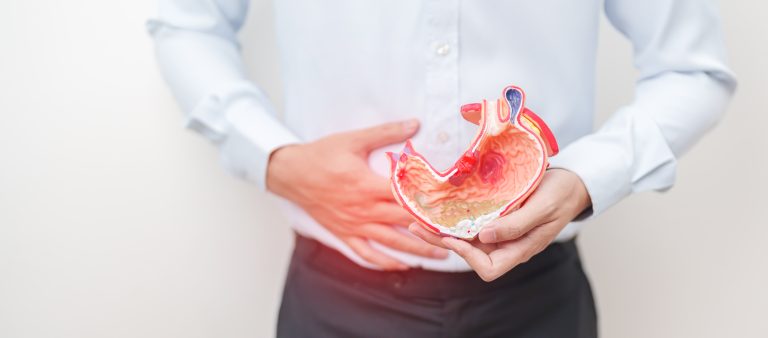
Gastric pain is commonly attributed to stomach issues, but sometimes it signals an underlying liver problem. The main way to know if your gastric pain is liver-related is to look for accompanying signs such as jaundice, dark urine, right upper abdominal discomfort, and systemic symptoms like fatigue and nausea [1]. Recognizing these warning signs early can prompt timely evaluation, preventing progression to severe liver disease [2].
Below are the top 10 warning signs that your gastric pain may be liver-related.
1. Pain in the Right Upper Abdomen
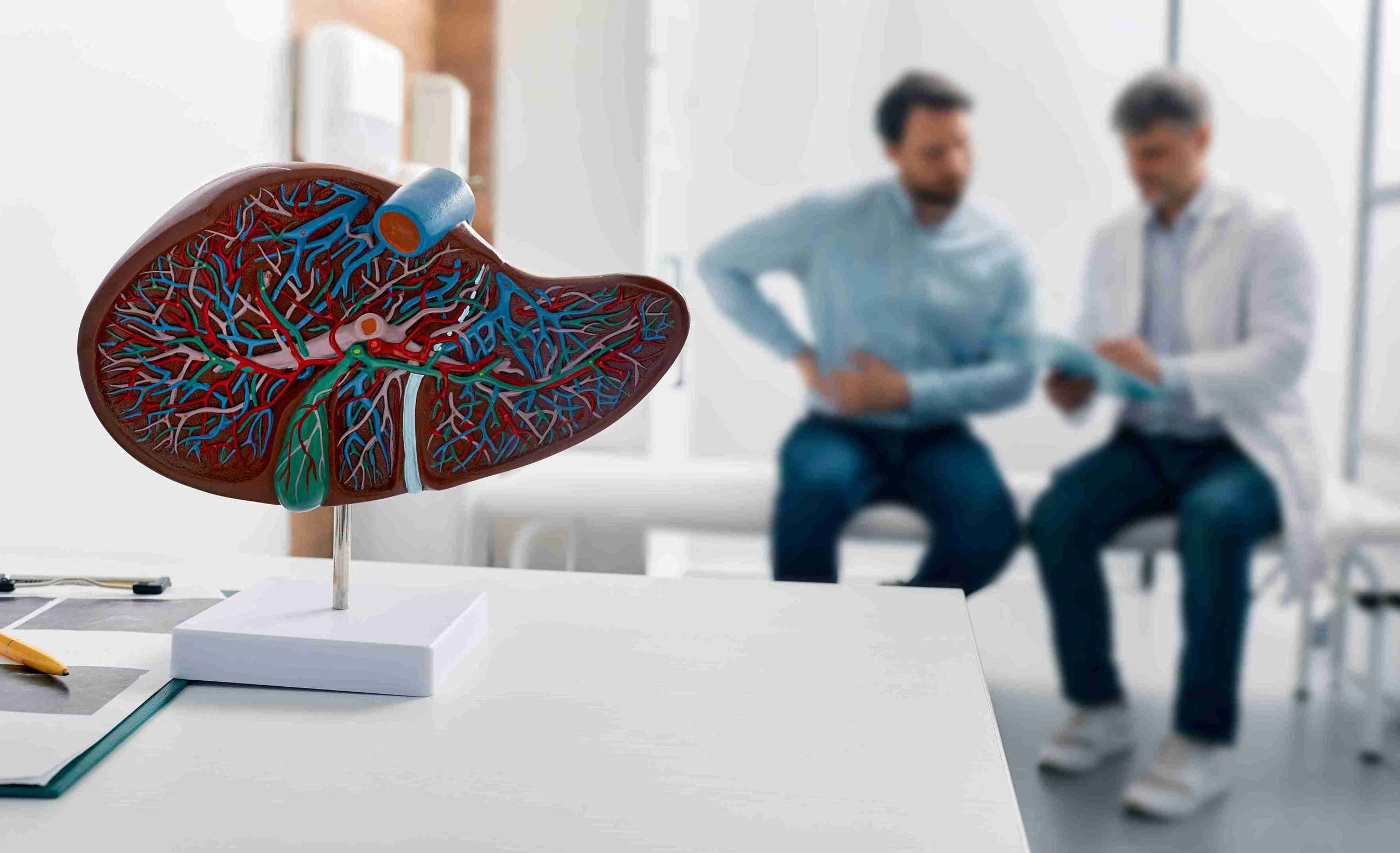
While typical gastric pain is centered around the mid or upper stomach, liver-related discomfort is often localized to the right upper quadrant beneath the rib cage [3]. The pain may be dull, persistent, or occasionally sharp, and sometimes worsens after fatty meals due to increased liver workload.
2. Jaundice
Jaundice occurs due to bilirubin buildup, which may accompany gastric pain caused by liver inflammation or obstruction in the bile ducts [4]. Patients experiencing gastric pain with jaundice should seek medical attention immediately.
3. Dark Urine and Pale Stools
Changes in urine and stool color often accompany liver-related gastric pain:
- Dark, tea-colored urine indicates bilirubin excretion through urine.
- Pale or clay-colored stools suggest impaired bile flow.
These signs, together with right upper abdominal pain, strongly indicate liver involvement rather than simple stomach irritation.
4. Nausea and Vomiting
Persistent nausea or vomiting alongside gastric pain can point to liver dysfunction and inflammation [5]. Liver inflammation or blockage can impair digestion, leading to discomfort, reduced appetite, and systemic symptoms. Unlike routine gastric upset, these symptoms may persist and worsen over time.
5. Abdominal Swelling
Liver-related epigastric pain may be accompanied by swelling or bloating in the abdomen, often due to fluid accumulation (ascites) [6]. This swelling usually develops gradually and is more pronounced in advanced liver disease.
6. Fatigue and Weakness
Chronic liver conditions can cause systemic symptoms, including persistent fatigue and weakness. When these occur alongside gastric discomfort, it may indicate that the liver’s metabolic and detoxification functions are compromised.
7. Itchy Skin
Pruritus or itchy skin is a subtle but telling sign of liver-related gastric distress. Bile salts deposited in the skin due to liver dysfunction can trigger intense itching, often worsening at night. This symptom rarely appears in simple stomach upset.
8. Bruising or Bleeding Easily
The liver produces clotting factors, and its dysfunction can result in easy bruising or prolonged bleeding. If you notice gastric cramping along with unexplained bruises, gum bleeding, or frequent nosebleeds, liver disease may be a contributing factor.
9. Loss of Appetite and Weight Loss
Liver dysfunction can reduce appetite and alter metabolism. Patients with liver-related gastric pain may experience unintentional weight loss, early satiety, or reduced interest in food. These symptoms distinguish liver issues from typical gastritis or acid reflux.
10. Fever or Chills
While gastric pain from simple stomach upset rarely causes systemic symptoms, liver infections such as hepatitis or abscesses can produce fever, chills, or malaise. The presence of these signs alongside abdominal discomfort warrants urgent evaluation.
Summary Table: Key Indicators of Liver-Related Gastric Pain
| Warning Sign | Description | Implication |
| Right upper abdominal pain | Persistent discomfort under the rib cage | Suggests liver or biliary involvement |
| Jaundice | Yellowing of skin and eyes | Bilirubin buildup due to liver dysfunction |
| Dark urine & pale stools | Tea-colored urine, clay-colored stools | Impaired bile flow |
| Nausea & vomiting | Persistent digestive upset | Liver inflammation affecting digestion |
| Abdominal swelling | Ascites or bloating | Fluid accumulation from liver disease |
| Fatigue & weakness | Chronic tiredness | Impaired metabolic function |
| Itchy skin | Pruritus, worse at night | Bile salts deposited in skin |
| Easy bruising or bleeding | Unexplained bruises, gum bleeding | Impaired clotting factor production |
| Appetite loss & weight loss | Early satiety, unintentional weight loss | Metabolic changes due to liver dysfunction |
| Fever or chills | Systemic symptoms | Possible liver infection or abscess |
When to Seek Medical Attention
If gastric pain is accompanied by any combination of these warning signs, it is crucial to consult a healthcare professional promptly. Early evaluation may include:
- Blood tests to assess liver enzymes, bilirubin, and clotting function
- Imaging studies such as ultrasound, CT, or MRI to evaluate liver structure
- Endoscopic procedures if bile ducts or stomach involvement is suspected
Prompt diagnosis allows for early intervention and can prevent progression to advanced liver disease or liver failure.
Preventive Measures
Even without overt symptoms, individuals at risk for liver disease should consider preventive strategies:
- Limit alcohol consumption
- Maintain a healthy weight and diet
- Get vaccinated against hepatitis A and B
- Regular health screenings for liver function
Awareness of subtle symptoms and proactive care can reduce the likelihood of severe liver-related complications presenting as gastric pain.
Conclusion
Gastric pain is not always related to the stomach; liver issues can present similarly but are accompanied by specific warning signs. Pain in the right upper abdomen, jaundice, dark urine, fatigue, and unexplained bruising are key indicators of liver involvement. Recognizing these symptoms early allows for timely medical evaluation, accurate diagnosis, and appropriate treatment.
If you experience persistent or worsening gastric pain with any of these associated signs, consult a healthcare professional promptly. Early intervention improves outcomes and helps prevent progression to serious liver disease. Understanding the connection between gastric pain and liver health is essential for both prevention and early detection.
References
- National Institute of Diabetes and Digestive and Kidney Diseases. (2023). Liver disease: Symptoms & causes. U.S. Department of Health and Human Services. https://www.niddk.nih.gov/health-information/liver-disease
- Mayo Clinic. (2023). Cirrhosis: Symptoms & causes. https://www.mayoclinic.org/diseases-conditions/cirrhosis/symptoms-causes/syc-20351487
- Johns Hopkins Medicine. (n.d.). Common characteristics of liver disease. https://www.hopkinsmedicine.org/health/conditions-and-diseases/common-characteristics-of-liver-disease
- Healthline. (2021). Liver disease symptoms: Signs of fatty liver & other liver problems. https://www.healthline.com/health/liver-disease-symptoms
- Apollo247. (n.d.). Warning signs of liver disease. https://www.apollo247.com/health-topics/liver-disease/warning-signsof-liver-disease-guide
- Mayo Clinic. (2023). Liver problems — Symptoms and causes. https://www.mayoclinic.org/diseases-conditions/liver-problems/symptoms-causes/syc-20374502