Key Takeaways
- Fatty liver disease can contribute to upper abdominal discomfort due to liver inflammation, digestive changes, and associated metabolic issues.
- Reducing inflammatory triggers and supporting gut health can help ease gastric pain.
- Persistent or worsening pain requires medical evaluation to rule out complications.
- Sustainable weight loss, dietary modification, and blood sugar control are central to symptom improvement.
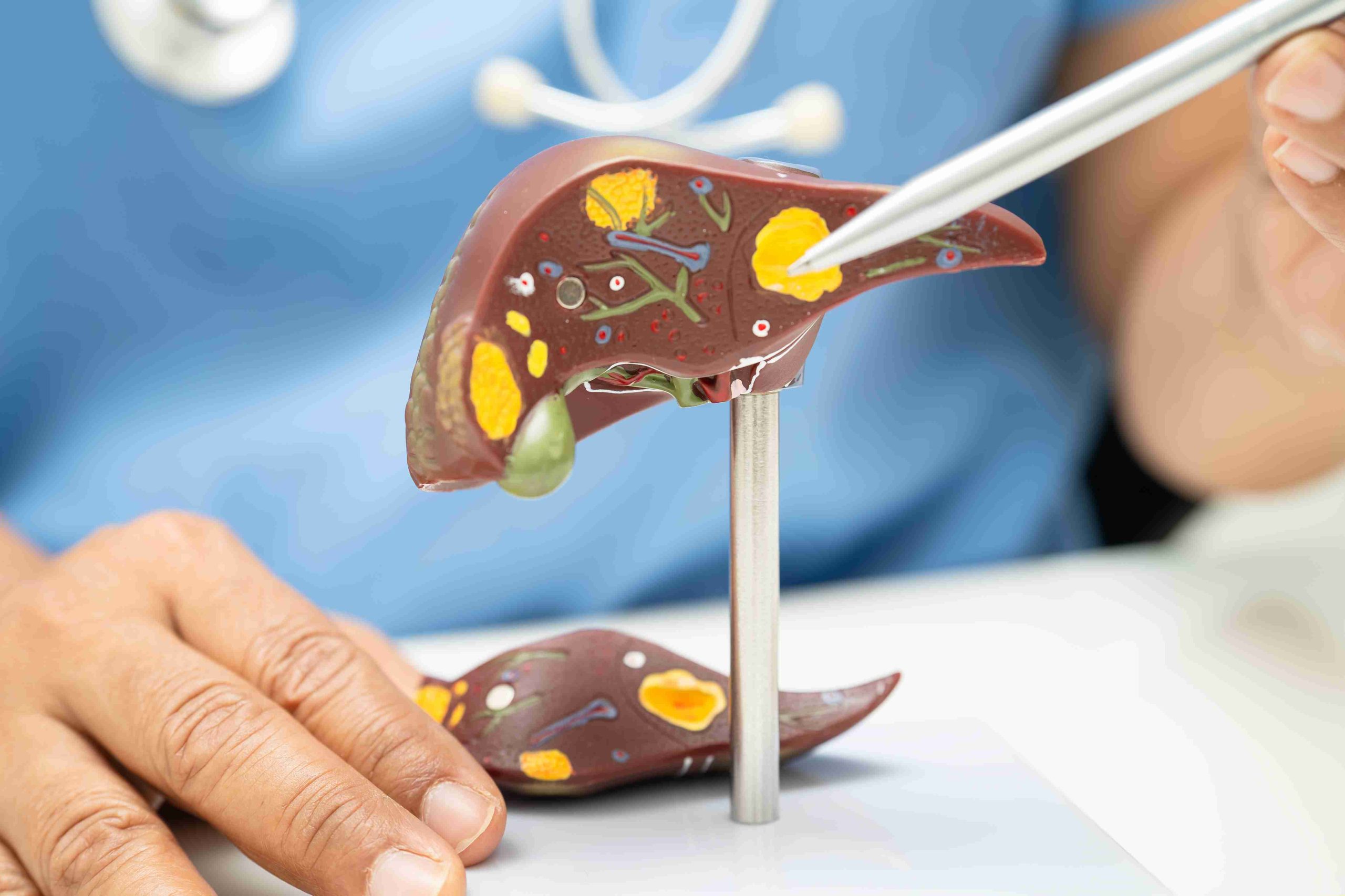
Fatty liver disease, particularly non-alcoholic fatty liver disease (NAFLD), is increasingly common and closely tied to obesity, insulin resistance, and metabolic syndrome [1]. Many individuals with fatty liver report upper abdominal discomfort, bloating, or pressure that may be described as gastric pain.
Gastric pain linked to fatty liver disease can often be managed through dietary adjustments, weight reduction, improved metabolic control, and targeted symptom relief under medical supervision.
Although the liver itself does not contain pain receptors, inflammation and enlargement can stretch the surrounding capsule and affect nearby digestive organs. Additionally, fatty liver frequently coexists with acid reflux, gastritis, and gallbladder dysfunction, all of which may contribute to epigastric pain.
Below are ten medically grounded strategies to manage symptoms effectively.
1. Achieve Gradual Weight Loss
Excess fat accumulation in the liver is strongly associated with overall body fat. Losing 7–10% of body weight has been shown to significantly reduce liver fat and inflammation [2]. Gradual weight loss—about 0.5 to 1 kg per week—is safest, as rapid weight loss may worsen liver stress.
Improving liver health often reduces abdominal pressure and systemic inflammation, helping decrease gastric pain over time.
2. Follow a Mediterranean-Style Diet
A Mediterranean-style diet emphasizes vegetables, fruits, whole grains, legumes, nuts, olive oil, and lean proteins such as fish. This dietary pattern reduces inflammation and improves insulin sensitivity [3].
Limiting refined carbohydrates, sugary beverages, and processed foods can help reduce liver fat accumulation and prevent digestive irritation that may worsen gastric pain. Replacing saturated fats with unsaturated fats further supports liver recovery.
3. Limit Alcohol Intake
Even moderate alcohol intake may worsen liver injury in individuals with fatty liver disease, and most clinical guidelines recommend abstinence or strict limitation to reduce the risk of disease progression [4].
Alcohol can also irritate the stomach lining, potentially worsening gastric pain. Abstinence or strict moderation is strongly recommended for symptom control.
4. Improve Blood Sugar Control
Insulin resistance is a key driver of fatty liver disease. Stabilizing blood sugar levels through diet, exercise, and medication when necessary reduces fat deposition in the liver [5].
Lower blood glucose variability also decreases inflammation and may reduce digestive discomfort. Patients with type 2 diabetes should work closely with their healthcare provider to optimize management and reduce episodes of gastric pain associated with metabolic imbalance.
5. Increase Physical Activity
Regular exercise improves liver fat metabolism independently of weight loss. Aerobic activities such as brisk walking, swimming, or cycling for at least 150 minutes per week can significantly improve liver markers [6].
Resistance training also supports metabolic health. Enhanced circulation and improved insulin sensitivity help reduce the inflammatory environment contributing to gastric pain.
6. Address Acid Reflux and Gastritis
Fatty liver often coexists with gastroesophageal reflux disease (GERD) or gastritis. These conditions can mimic or intensify gastric discomfort.
Practical steps include:
- Eating smaller, more frequent meals
- Avoiding late-night eating
- Reducing spicy, acidic, or fried foods
- Elevating the head during sleep
In some cases, short-term use of proton pump inhibitors or H2 blockers may be prescribed under medical guidance.
7. Support Gut Health
Emerging research highlights the gut-liver axis—the close relationship between intestinal health and liver inflammation. Dysbiosis, or imbalance in gut bacteria, may worsen fatty liver and digestive symptoms.
Increasing dietary fiber through vegetables, whole grains, and legumes supports beneficial bacteria. Probiotic-rich foods such as yogurt or kefir may also help. A healthier gut environment can reduce bloating and gastric pain.
8. Avoid Rapid Fasting or Crash Diets
Extreme calorie restriction can increase fat mobilization to the liver and temporarily worsen inflammation. While intermittent fasting may benefit some individuals, it should be done cautiously and under supervision.
Balanced nutrition ensures stable metabolism and reduces stress on both the liver and stomach, helping prevent episodes of gastric pain.
9. Manage Stress Levels
Chronic stress influences digestive function and metabolic health. Elevated cortisol levels may worsen insulin resistance and increase abdominal discomfort.
Stress-management strategies such as mindfulness, breathing exercises, yoga, and adequate sleep improve autonomic balance. Better stress control often leads to reduced perception and frequency of gastric pain.
10. Monitor Liver Health Regularly
Routine monitoring through blood tests and imaging helps track liver function and detect progression. In some cases, medications such as vitamin E (for select non-diabetic patients) or newer metabolic therapies may be considered.
Persistent, severe, or localized gastric pain should never be ignored, as it may signal complications such as advanced fibrosis, gallstones, or peptic ulcer disease.
Symptom Triggers and Management Overview
| Trigger or Contributing Factor | How It Worsens Symptoms | Management Strategy |
| High sugar intake | Increases liver fat and inflammation | Reduce refined carbs and sugary drinks |
| Alcohol | Irritates liver and stomach lining | Avoid or strictly limit alcohol |
| Obesity | Promotes insulin resistance | Gradual weight reduction |
| Acid reflux | Irritates upper digestive tract | Smaller meals, avoid trigger foods |
| Sedentary lifestyle | Worsens metabolic dysfunction | 150 minutes of weekly exercise |
| Stress | Disrupts digestion and hormones | Relaxation and sleep optimization |
When to Seek Medical Attention
While mild gastric pain may improve with lifestyle modification, certain warning signs require prompt evaluation:
- Severe or worsening abdominal pain
- Jaundice (yellowing of skin or eyes)
- Unexplained weight loss
- Persistent nausea or vomiting
- Black or tarry stools
These symptoms may indicate advanced liver disease or another gastrointestinal condition requiring urgent care.
The Bigger Picture
Fatty liver disease is largely reversible in its early stages. Addressing underlying metabolic factors not only improves liver health but also reduces systemic inflammation and digestive discomfort.
Because the liver plays a central role in metabolism, detoxification, and digestion, improving its function has wide-reaching benefits. With consistent lifestyle modification and medical guidance, many individuals experience meaningful reductions in gastric pain and improved quality of life.
Long-term success depends on sustainable habits rather than short-term fixes. Balanced nutrition, physical activity, metabolic control, and regular monitoring form the foundation of effective management.
Conclusion
Managing gastric pain associated with fatty liver disease requires a comprehensive approach focused on liver recovery and digestive support. By addressing diet, weight, metabolic health, and stress, patients can significantly reduce symptoms and slow disease progression. If symptoms persist despite lifestyle changes, consultation with a healthcare professional is essential to ensure accurate diagnosis and appropriate treatment.
References
- Chalasani, N., Younossi, Z., Lavine, J. E., Charlton, M., Cusi, K., Rinella, M., … Sanyal, A. J. (2018). The diagnosis and management of nonalcoholic fatty liver disease: Practice guidance from the American Association for the Study of Liver Diseases. Hepatology, 67(1), 328–357. https://doi.org/10.1002/hep.29367
- Vilar-Gomez, E., Martinez-Perez, Y., Calzadilla-Bertot, L., Torres-Gonzalez, A., Gra-Oramas, B., Gonzalez-Fabian, L., … Romero-Gomez, M. (2015). Weight loss through lifestyle modification significantly reduces features of nonalcoholic steatohepatitis. Gastroenterology, 149(2), 367–378.e5. https://doi.org/10.1053/j.gastro.2015.04.005
- Estruch, R., Ros, E., Salas-Salvadó, J., Covas, M. I., Corella, D., Arós, F., … Martínez-González, M. A. (2018). Primary prevention of cardiovascular disease with a Mediterranean diet supplemented with extra-virgin olive oil or nuts. New England Journal of Medicine, 378(25), e34. https://doi.org/10.1056/NEJMoa1800389
- European Association for the Study of the Liver. (2016). EASL–EASD–EASO clinical practice guidelines for the management of non-alcoholic fatty liver disease. Journal of Hepatology, 64(6), 1388–1402. https://doi.org/10.1016/j.jhep.2015.11.004
- Cusi, K. (2016). Treatment of patients with type 2 diabetes and nonalcoholic fatty liver disease: Current approaches and future directions. Diabetes Care, 39(12), 2079–2087. https://doi.org/10.2337/dc16-1589
- Keating, S. E., Hackett, D. A., George, J., & Johnson, N. A. (2012). Exercise and non-alcoholic fatty liver disease: A systematic review and meta-analysis. Journal of Hepatology, 57(1), 157–166. https://doi.org/10.1016/j.jhep.2012.02.023