Key Takeaways
- Gastroscopy provides direct visualization of the upper gastrointestinal tract, while CT scans offer non-invasive imaging of abdominal structures.
- Gastroscopy allows biopsies, polyp removal, and direct treatment during the procedure, unlike CT scans.
- CT scans are useful for evaluating surrounding organs, detecting masses, and identifying complications beyond the stomach.
- Choosing between gastroscopy and CT scan depends on symptoms, diagnostic goals, and clinical recommendations.
Patients often wonder whether they should undergo gastroscopy or a CT scan for upper gastrointestinal evaluation. Gastroscopy is preferred when direct visualization, tissue sampling, or immediate treatment is needed, whereas CT scans are valuable for non-invasive imaging of the stomach and surrounding organs.
Gastroscopy offers a hands-on approach to diagnosing and treating stomach conditions, while CT scans provide a broader, indirect view. Understanding the differences helps patients and clinicians make informed decisions about diagnosis and management.
What Is Gastroscopy?
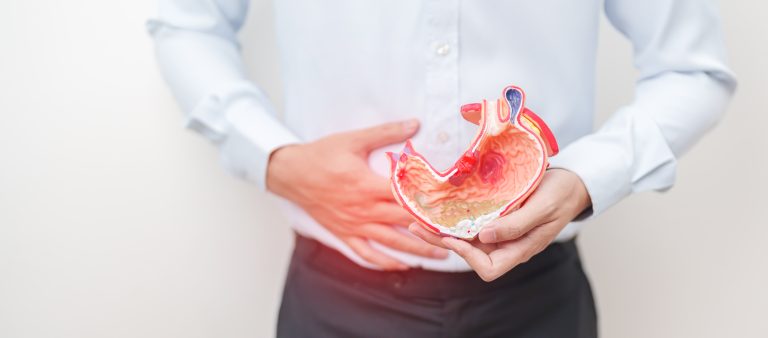
Gastroscopy, also known as upper endoscopy, is a procedure that uses a flexible tube with a camera to directly examine the esophagus, stomach, and duodenum. It allows doctors to identify inflammation, ulcers, tumors, and other abnormalities in real time.
A major advantage of gastroscopy is the ability to perform biopsies or remove polyps during the procedure. Sedation is commonly administered to improve patient comfort. Because it provides direct visualization, gastroscopy can detect subtle mucosal changes that imaging alone might miss.
What Is a CT Scan?
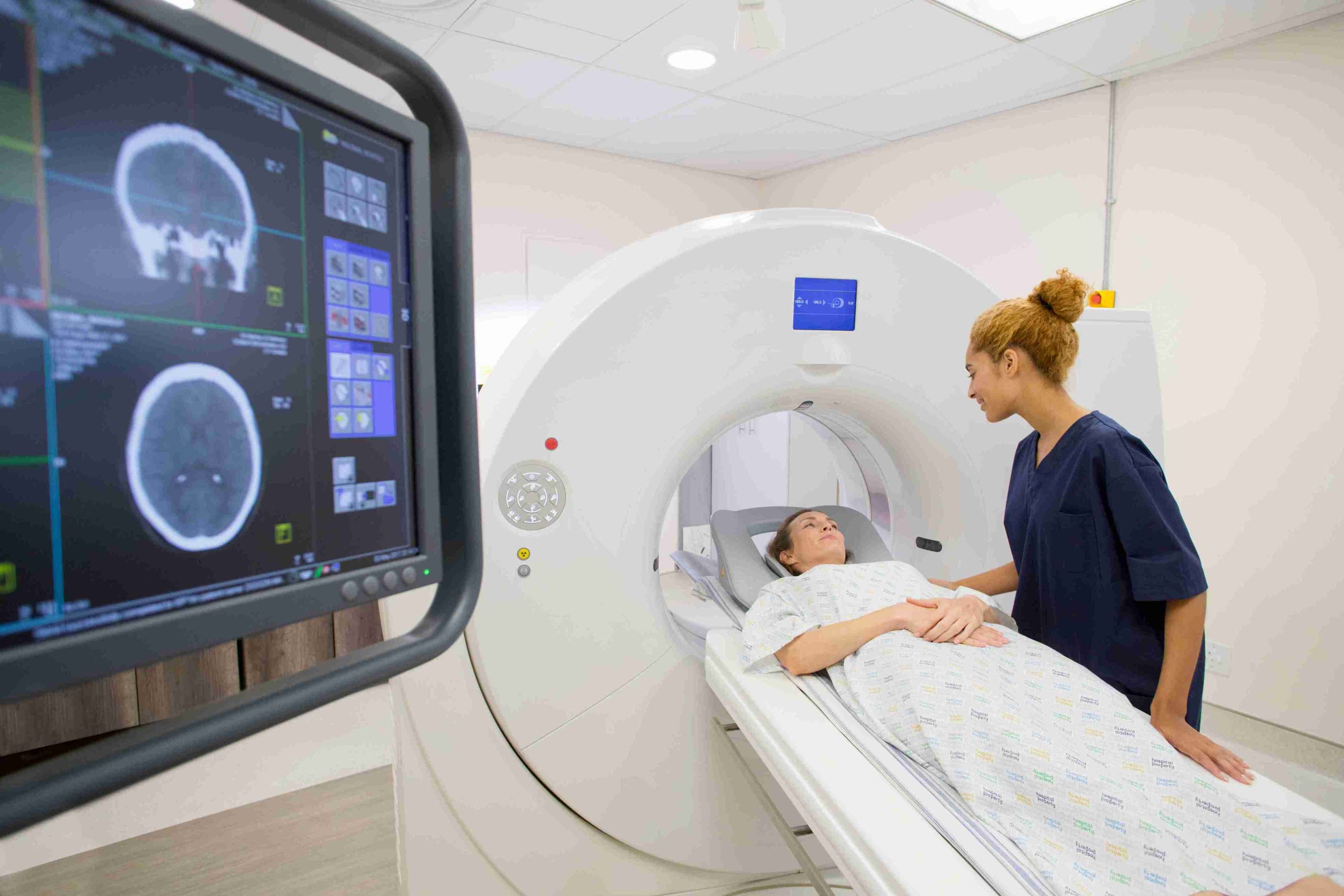
A CT scan uses X-rays and computer processing to create detailed images of the internal organs, including the stomach. It is non-invasive and can detect masses, structural abnormalities, and complications such as perforation or obstruction.
Unlike gastroscopy, a CT scan cannot provide biopsies or immediate treatment. However, it is highly valuable for evaluating surrounding organs, staging cancer, and assessing complex conditions that extend beyond the stomach lining.
Accuracy and Diagnostic Value
When it comes to diagnosing stomach diseases, gastroscopy provides higher accuracy for mucosal lesions, small ulcers, early-stage tumors, and subtle inflammatory changes. The ability to directly inspect the lining allows clinicians to make immediate assessments and interventions.
CT scans are more effective at visualizing larger masses, structural abnormalities, and extraluminal complications. While CT imaging can identify lesions, it may miss small mucosal abnormalities that gastroscopy can detect. This distinction is crucial for early diagnosis of gastric cancer or other upper gastrointestinal conditions.
Comfort and Patient Experience
Patient comfort differs between gastroscopy and CT scans. Gastroscopy requires sedation and careful preparation, including fasting, which some patients may find inconvenient. The procedure itself involves passing the endoscope through the mouth, which can cause mild discomfort or gagging.
CT scans are non-invasive, quick, and generally painless, making them more appealing to patients concerned about procedural discomfort. However, CT imaging may require the use of contrast agents, which can cause temporary nausea or allergic reactions in some individuals.
Bowel and Stomach Preparation
Preparation for gastroscopy includes fasting for several hours and sometimes stopping certain medications to reduce bleeding risk. Adequate preparation is essential for clear visualization of the stomach lining.
CT scans may also require fasting or temporary adjustment of medications, especially if contrast is used. While preparation for CT is generally simpler, gastroscopy preparation ensures a cleaner view for accurate diagnosis and intervention.
Risks and Safety
Diagnostic gastroscopy is generally safe but carries small risks such as bleeding, perforation, or adverse reactions to sedation. These complications are rare, particularly in experienced centers, and are usually outweighed by the benefits of direct diagnosis and treatment.
CT scans are non-invasive, but they involve exposure to ionizing radiation, which may accumulate over time. Contrast-related reactions are uncommon but possible. Both procedures are considered safe when performed according to standard guidelines, yet the therapeutic capability of gastroscopy offers additional clinical benefit.
When Gastroscopy Is Preferred
Gastroscopy is preferred when there is persistent upper abdominal pain, unexplained nausea or vomiting, gastrointestinal bleeding, or suspicion of tumors or ulcers. It is the method of choice when biopsies or interventions such as polyp removal may be required.
CT scans may be chosen for patients who cannot tolerate endoscopy, require evaluation of surrounding organs, or need non-invasive imaging for complex conditions. In some cases, both procedures are complementary—CT can identify abnormalities that gastroscopy can then evaluate directly.
Cost Considerations
In Singapore, the gastroscopy cost varies depending on hospital type, sedation needs, and whether therapeutic interventions are performed during the procedure. CT scan pricing may be lower for a basic study but can increase if contrast or advanced imaging protocols are used.
Insurance coverage and Medisave eligibility influence overall patient expenses. While CT may appear more convenient or less costly initially, gastroscopy may reduce long-term costs by allowing simultaneous diagnosis and treatment, preventing additional procedures.
Advantages of Each Method
Gastroscopy offers direct visualization, therapeutic intervention, and biopsy capability, making it highly accurate for diagnosing gastric lesions. It allows real-time assessment and targeted treatment, reducing the need for additional procedures.
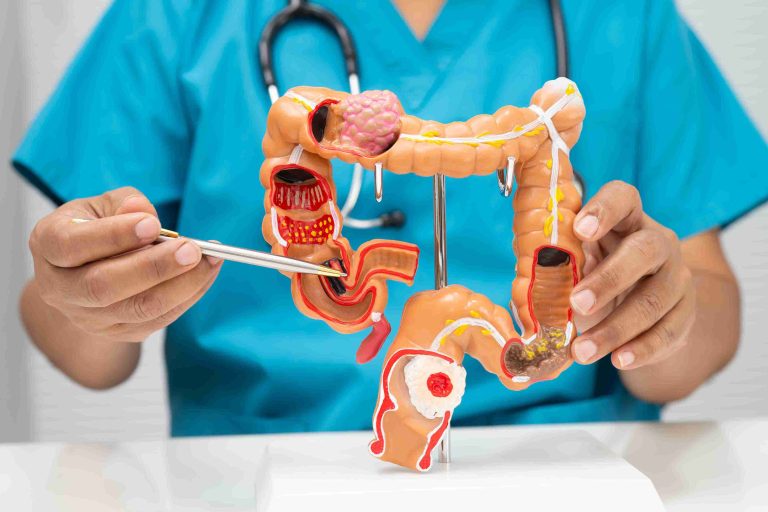
CT scans provide a broader view of abdominal structures, are non-invasive, and can detect complications beyond the stomach. They are particularly valuable for staging cancer or evaluating patients with complex presentations. Understanding these advantages helps clinicians decide the most appropriate first-line test.
Conclusion
Gastroscopy and CT scans are complementary tools for evaluating stomach conditions, each with distinct benefits and limitations. Gastroscopy offers superior accuracy for mucosal lesions, the ability to perform biopsies, and direct treatment, making it the preferred choice when intervention is likely.
CT scans provide non-invasive imaging, assess surrounding organs, and identify structural abnormalities, but lack therapeutic capability. In Singapore, careful consideration of gastroscopy cost, clinical indications, and patient comfort ensures effective, timely, and safe evaluation of the upper gastrointestinal tract. Choosing the appropriate procedure enhances diagnostic accuracy, guides treatment, and improves overall patient outcomes.