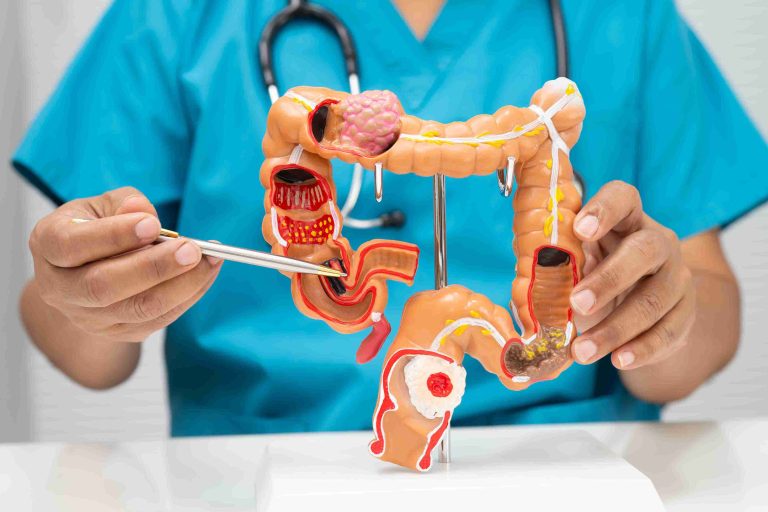
Key Takeaways
- Blood in stools may be caused by several digestive conditions, ranging from mild issues like hemorrhoids to more serious diseases such as colorectal cancer.
- The color and amount of blood may help doctors identify where bleeding is occurring within the digestive tract.
- Early medical evaluation is important because some causes of blood in stools may worsen without proper treatment.
- Lifestyle changes, medications, and medical procedures may help manage or treat the underlying digestive condition.
Seeing blood during a bowel movement can be alarming. In many cases, blood in stools may result from a minor condition, but it can also signal a more serious digestive problem that requires medical attention. The appearance of the blood may vary from bright red streaks to dark, tar-like stools depending on where the bleeding originates in the digestive tract.
Blood in stools is commonly linked to conditions affecting the stomach, intestines, colon, rectum, or anus, and identifying the cause early may help prevent complications. Some individuals experience occasional bleeding due to constipation or hemorrhoids, while others may have chronic gastrointestinal diseases that require long-term treatment [1].
Understanding the possible causes of blood in stools may help individuals recognize when to seek medical care. Below are eight digestive conditions commonly associated with gastrointestinal bleeding.
Understanding the Different Types of Blood in Stools
Doctors often evaluate the color and appearance of blood in stools to determine where bleeding may be occurring.
| Appearance of Stool | Possible Source of Bleeding | Common Associated Conditions |
| Bright red blood | Lower digestive tract, rectum, or anus | Hemorrhoids, anal fissures |
| Dark red or maroon stool | Small intestine or colon | Diverticular disease, inflammatory bowel disease |
| Black, tarry stool | Upper digestive tract or stomach | Peptic ulcers, gastritis |
| Blood mixed within stool | Colon or rectum | Colorectal cancer, polyps |
The amount and frequency of blood in stools may also provide important clues about the severity of the condition.
1. Hemorrhoids
Hemorrhoids are swollen veins located in the rectum or anus and are among the most common causes of bloody stools. They may develop due to chronic constipation, prolonged sitting, obesity, pregnancy, or straining during bowel movements [2].
Individuals with hemorrhoids often notice bright red blood on toilet paper, in the toilet bowl, or coating the stool. Some may also experience itching, discomfort, swelling, or pain around the anus.
Although hemorrhoids are usually not dangerous, recurrent blood in stools should still be evaluated to rule out more serious digestive conditions. Treatment may include increasing fiber intake, drinking more water, using topical medications, and avoiding excessive straining.
2. Anal Fissures
An anal fissure is a small tear in the lining of the anus. This condition commonly occurs after passing hard or large stools and may cause sharp pain during bowel movements.
Bright red blood in stools is often seen with anal fissures, particularly on toilet paper. Some people may also experience burning sensations or muscle spasms around the anal area.
Most fissures heal with conservative treatment such as stool softeners, hydration, warm baths, and dietary fiber. However, chronic fissures may require prescription medications or minor surgical procedures.
3. Diverticular Disease
Diverticular disease occurs when small pouches called diverticula develop in the wall of the colon. These pouches become more common with age and are often associated with low-fiber diets [3].
Bleeding may occur if blood vessels near the diverticula rupture. In some cases, diverticular bleeding may lead to sudden and significant blood in stools without pain.
Diverticulitis, which refers to inflammation or infection of these pouches, may also cause abdominal pain, fever, and changes in bowel habits. Doctors may recommend dietary modifications, antibiotics, or medical procedures depending on the severity of the condition.
4. Peptic Ulcers
Peptic ulcers are open sores that develop in the lining of the stomach or upper small intestine. They are often caused by Helicobacter pylori infection or prolonged use of nonsteroidal anti-inflammatory drugs (NSAIDs) [4].
When ulcers bleed, they may produce black, tarry stools due to partially digested blood traveling through the digestive tract. In some cases, blood in stools from ulcers may occur alongside nausea, bloating, abdominal pain, or vomiting blood.
Treatment usually involves medications that reduce stomach acid, antibiotics for bacterial infection, and avoiding substances that irritate the stomach lining such as alcohol and smoking.
5. Inflammatory Bowel Disease
Inflammatory bowel disease (IBD) includes chronic conditions such as Crohn’s disease and ulcerative colitis. These disorders cause long-term inflammation in the digestive tract [5].
People with IBD frequently experience diarrhea, abdominal pain, fatigue, weight loss, and blood in stools. Ulcerative colitis commonly affects the colon and rectum, while Crohn’s disease may involve multiple areas of the digestive tract.
Inflammation may damage the intestinal lining, leading to bleeding and ulcers. Management often includes anti-inflammatory medications, immune-modifying therapies, dietary changes, and regular monitoring.
6. Gastroenteritis
Gastroenteritis refers to inflammation of the stomach and intestines caused by viral, bacterial, or parasitic infections. Food poisoning is a common form of gastroenteritis.
Some bacterial infections may damage the intestinal lining and result in diarrhea with blood in stools. Individuals may also develop nausea, vomiting, fever, stomach cramps, and dehydration.
While mild infections often improve with rest and hydration, severe or persistent symptoms may require medical treatment. Doctors may recommend stool testing to identify the infectious cause.
7. Colorectal Polyps
Colorectal polyps are growths that form on the inner lining of the colon or rectum. Although many polyps are benign, some may eventually develop into colorectal cancer.
Polyps may not always cause symptoms, but larger growths can lead to blood in stools, changes in bowel habits, or unexplained anemia.
Routine colonoscopy screening plays an important role in detecting and removing polyps before they become cancerous. Early detection significantly lowers the risk of complications.
8. Colorectal Cancer
Colorectal cancer is one of the most serious conditions associated with blood in stools. The disease develops when abnormal cells grow uncontrollably in the colon or rectum [6].
In some individuals, bleeding may be mild and difficult to detect, while others notice visible blood mixed within the stool. Additional symptoms may include unexplained weight loss, fatigue, abdominal discomfort, and persistent changes in bowel movements.
Risk factors include increasing age, family history, smoking, obesity, and diets high in processed foods. Early diagnosis through colonoscopy and other screening tests may improve treatment outcomes.
When to Seek Medical Attention
Although occasional minor bleeding may result from harmless causes, certain symptoms should prompt immediate medical evaluation. Seek medical care if blood in stools is accompanied by:
- Severe abdominal pain
- Dizziness or fainting
- Significant weight loss
- Persistent diarrhea
- Black or tarry stools
- Vomiting blood
- Ongoing fatigue or weakness
Doctors may use physical examinations, stool tests, colonoscopy, endoscopy, or imaging studies to identify the source of bleeding.
How Digestive Conditions Linked to Blood in Stools Are Diagnosed
Diagnosing the cause of blood in stools usually begins with a review of symptoms, medical history, medications, and bowel habits. Physicians may ask about the duration of bleeding, stool color, pain, and family history of gastrointestinal disease. Several tests may help confirm the diagnosis:
- Stool tests to detect hidden blood or infection
- Colonoscopy to examine the colon and rectum
- Endoscopy to evaluate the upper digestive tract
- Blood tests to assess anemia or infection
- Imaging scans to detect structural abnormalities
Accurate diagnosis is important because treatment depends on the underlying digestive condition.
Preventing Digestive Problems That Cause Blood in Stools
While not all digestive conditions can be prevented, certain lifestyle habits may help lower the risk.
Maintaining a fiber-rich diet may support healthy bowel movements and reduce constipation. Staying hydrated and exercising regularly may also improve digestive health.
Limiting smoking, alcohol intake, and excessive NSAID use may help protect the digestive tract from irritation and ulcers. Regular medical checkups and colonoscopy screening are especially important for individuals over 45 or those with risk factors for colorectal disease.
Conclusion
Blood in stools can result from various digestive conditions, ranging from hemorrhoids and anal fissures to inflammatory bowel disease and colorectal cancer. Although some causes are mild, others may require urgent medical care and long-term treatment.
Recognizing associated symptoms and seeking timely medical evaluation may help identify the underlying condition early. Persistent or recurrent blood in stools should never be ignored, particularly when accompanied by abdominal pain, fatigue, or changes in bowel habits. Proper diagnosis and treatment may help prevent complications and support better digestive health.
References
- Cleveland Clinic. (2024). Rectal bleeding (blood in stool): Causes, colors & treatments. https://my.clevelandclinic.org/health/symptoms/14612-rectal-bleeding
- Mayo Clinic. (2024). Hemorrhoids: Symptoms and causes. https://www.mayoclinic.org/diseases-conditions/hemorrhoids/symptoms-causes/syc-20360268
- National Institute of Diabetes and Digestive and Kidney Diseases. (2024). Definition & facts for diverticular disease. https://www.niddk.nih.gov/health-information/digestive-diseases/diverticulosis-diverticulitis/definition-facts
- Mayo Clinic. (2024). Peptic ulcer: Symptoms and causes. https://www.mayoclinic.org/diseases-conditions/peptic-ulcer/symptoms-causes/syc-20354223
- Crohn’s & Colitis Foundation. (2024). What is inflammatory bowel disease (IBD)? https://www.crohnscolitisfoundation.org/what-is-ibd
- American Cancer Society. (2024). Signs and symptoms of colorectal cancer. https://www.cancer.org/cancer/types/colon-rectal-cancer/detection-diagnosis-staging/signs-and-symptoms.html