Key Takeaways
- Many patients fear discomfort, embarrassment, or pain before undergoing a colonoscopy.
- Modern sedation and medical techniques help make the procedure generally safe and comfortable.
- Colonoscopy plays an important role in detecting colorectal cancer and digestive conditions early.
- Understanding the procedure may help reduce anxiety and encourage timely screening.
For many individuals, the thought of undergoing a digestive procedure can feel intimidating. Fear of pain, embarrassment, bad news, or complications often causes patients to delay important medical evaluations. Among these concerns, the most common fear surrounding colonoscopy is the belief that the procedure will be painful or extremely uncomfortable.
In reality, most patients experience little to no pain during a colonoscopy because the procedure is commonly performed under sedation and is carefully monitored by trained healthcare professionals. Understanding what actually happens during the procedure may help reduce fear and encourage individuals to prioritize preventive digestive healthcare [1].
Although anxiety before medical procedures is normal, avoiding necessary screening may delay the detection of colorectal cancer, polyps, inflammatory bowel disease, or other digestive conditions. Learning the facts behind common concerns may help patients feel more informed and reassured [2].
| Common Fear | Medical Reality |
| The procedure is very painful | Sedation helps most patients remain comfortable |
| Colonoscopy is embarrassing | Medical teams perform the procedure professionally and routinely |
| Serious complications are common | Major complications are relatively rare |
| Preparation is unbearable | Bowel preparation can be inconvenient but is manageable |
| Only older adults need screening | Younger adults with risk factors may also require evaluation |
| The procedure takes a long time | Most procedures are completed within 30 to 60 minutes |
| Recovery is difficult | Most patients return home the same day |
| A diagnosis will always be serious | Many findings are treatable when detected early |
Why Many Patients Fear Colonoscopy
Fear of medical procedures is common, especially when patients are unfamiliar with what to expect. Colonoscopy procedure often carries additional stigma because it involves the digestive tract and bowel preparation.
Many patients worry about pain, loss of privacy, sedation, or potential complications. Others fear receiving difficult medical news or being diagnosed with cancer.
In some cases, stories shared online or by acquaintances may increase anxiety unnecessarily. However, experiences can vary widely, and modern colonoscopy procedures are generally much more comfortable and efficient than many people expect.
Is Colonoscopy Painful?
The fear of pain is one of the biggest reasons patients avoid scheduling a colonoscopy.
In reality, most procedures are performed using sedation, which helps patients remain relaxed and comfortable. Some individuals may not remember the procedure afterward because of the sedative medications used [3].
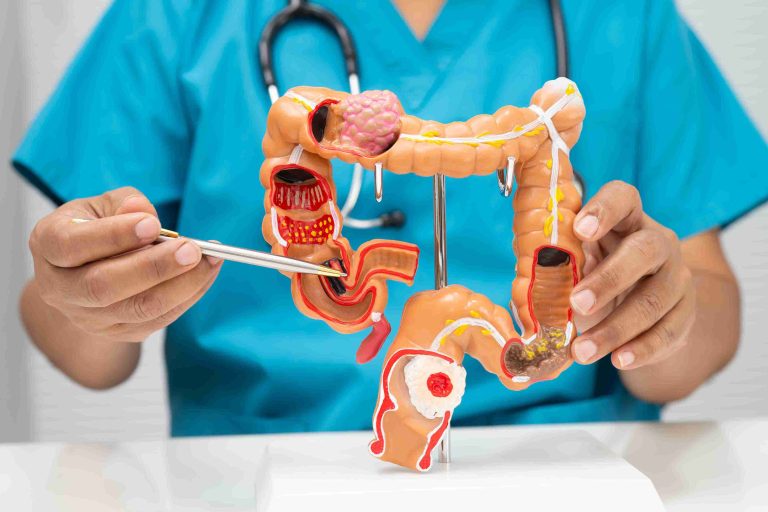
During a colonoscopy exam, a flexible tube with a camera is inserted through the rectum to examine the colon. While mild pressure, bloating, or cramping may occasionally occur, severe pain is uncommon.
Healthcare teams closely monitor patients throughout the procedure to ensure safety and comfort. If discomfort occurs, adjustments can often be made immediately.
Understanding Sedation During the Procedure
Sedation is an important reason why modern colonoscopy procedures are generally well tolerated.
Depending on the patient’s condition and healthcare facility, doctors may use mild sedation, moderate sedation, or deeper anesthesia. These medications help reduce anxiety, discomfort, and awareness during the examination.
Patients are monitored carefully for heart rate, oxygen levels, blood pressure, and breathing throughout the procedure. Most individuals wake up feeling drowsy but comfortable afterward.
Because sedation affects alertness temporarily, patients are usually advised to arrange transportation home after the procedure.
The Bowel Preparation: Inconvenient but Important
Another major concern patients have about colonoscopy cancer screening is the bowel preparation process.
Before the procedure, patients must empty the colon using a prescribed preparation solution or laxative regimen. This step is necessary because doctors need a clear view of the colon lining to identify abnormalities accurately [4].
Although preparation may be inconvenient and involve frequent bathroom visits, it is temporary and plays a critical role in improving diagnostic accuracy.
Following preparation instructions carefully may reduce the likelihood of needing repeat testing due to incomplete bowel cleansing.
Addressing Embarrassment and Privacy Concerns
Some patients delay preventive colonoscopy because they feel embarrassed about the nature of the procedure.
However, healthcare professionals who perform these examinations are trained to maintain patient dignity, comfort, and privacy at all times. Colonoscopy is a routine medical procedure performed regularly in hospitals and specialist clinics.
Medical staff focus on patient safety and accurate diagnosis rather than personal judgment. Sedation also helps reduce awareness and anxiety during the examination itself.
Understanding the professionalism involved may help patients feel more comfortable about undergoing evaluation.
Are Complications Common?
Fear of complications is another common reason patients hesitate to undergo colonoscopy.
Like all medical procedures, colonoscopy carries some risks. However, serious complications are relatively uncommon when performed by trained specialists [5].
Possible risks may include bleeding, infection, reactions to sedation, or bowel perforation. The likelihood of these complications varies depending on factors such as patient health, age, and whether therapeutic procedures such as polyp removal are performed.
For most individuals, the benefits of early disease detection outweigh the relatively low risk of complications.
Why Early Detection Matters
One of the most important benefits of colonoscopy is its ability to identify problems before symptoms appear.
Colorectal cancer often develops slowly over several years. During this process, precancerous polyps may form in the colon lining. A colonoscopy allows doctors to detect and remove these polyps before they become cancerous [6].
The procedure may also help diagnose inflammatory bowel disease, sources of gastrointestinal bleeding, ulcers, diverticular disease, and other digestive abnormalities. Detecting disease early may improve treatment outcomes, reduce complications, and increase survival rates for colorectal cancer.
Who Should Consider Colonoscopy?
Doctors may recommend colonoscopy for individuals based on age, symptoms, family history, or medical risk factors. Symptoms such as rectal bleeding, unexplained weight loss, persistent abdominal pain, chronic diarrhea, anemia, or changes in bowel habits may require evaluation.
Individuals with a family history of colorectal cancer, previous polyps, inflammatory bowel disease, obesity, smoking history, or certain genetic syndromes may also require earlier or more frequent screening.
Even patients without symptoms may benefit from preventive screening depending on their age and risk profile.
Recovery After Colonoscopy
Recovery after the procedure is usually straightforward for most patients. After sedation wears off, patients may experience mild bloating or gas because air is introduced into the colon during the examination. These symptoms typically improve within a few hours.
Most individuals can resume normal eating later the same day unless otherwise advised by their doctor. However, strenuous activity and driving should generally be avoided until sedation effects fully resolve.
If biopsies or polyp removal are performed, doctors may provide additional recovery instructions.
Conclusion
Fear of pain is one of the biggest concerns patients have about colonoscopy, but modern sedation and procedural techniques help make the examination generally safe and comfortable for most individuals.
Understanding what happens before, during, and after the procedure may help reduce anxiety and encourage patients to seek timely digestive evaluation. Colonoscopy remains one of the most effective tools for detecting colorectal cancer, polyps, and other digestive conditions early.
Delaying screening because of fear may increase the risk of missing treatable abnormalities. Individuals with digestive symptoms or colorectal cancer risk factors should consult a healthcare professional to discuss whether screening is appropriate for them.
References
- Mayo Clinic. (2024). Colonoscopy. https://www.mayoclinic.org/tests-procedures/colonoscopy/about/pac-20393569
- National Cancer Institute. (2024). Colorectal cancer screening (PDQ®)–Patient version. https://www.cancer.gov/types/colorectal/patient/colorectal-screening-pdq
- Johns Hopkins Medicine. (2024). Colonoscopy. https://www.hopkinsmedicine.org/health/treatment-tests-and-therapies/colonoscopy
- Cleveland Clinic. (2024). Colonoscopy: Prep and procedure details. https://my.clevelandclinic.org/health/diagnostics/4949-colonoscopy
- National Institute of Diabetes and Digestive and Kidney Diseases. (2024). Colonoscopy. https://www.niddk.nih.gov/health-information/diagnostic-tests/colonoscopy
- Centers for Disease Control and Prevention. (2024). Screening for colorectal cancer. https://www.cdc.gov/colorectal-cancer/screening/index.html