Key Takeaways
- Colonoscopy is the most reliable and fastest method to detect colon polyps, offering both diagnosis and treatment in one procedure.
- Stool DNA tests provide a non-invasive, at-home option but may miss smaller or flat polyps.
- The choice between colonoscopy and stool DNA testing depends on risk factors, symptoms, and patient preference.
- Early detection through colonoscopy significantly reduces the risk of colorectal cancer progression.
For individuals concerned about colorectal health, the key question is whether a colonoscopy detects polyps faster than a stool DNA test. The answer is yes—colonoscopy remains the gold standard for polyp detection due to its direct visualization and immediate intervention capabilities. Stool DNA tests, while convenient, are less sensitive to certain types of polyps, especially smaller lesions or flat adenomas.
Understanding the strengths and limitations of each screening method helps patients make informed decisions about their preventive care.
What is Colonoscopy?
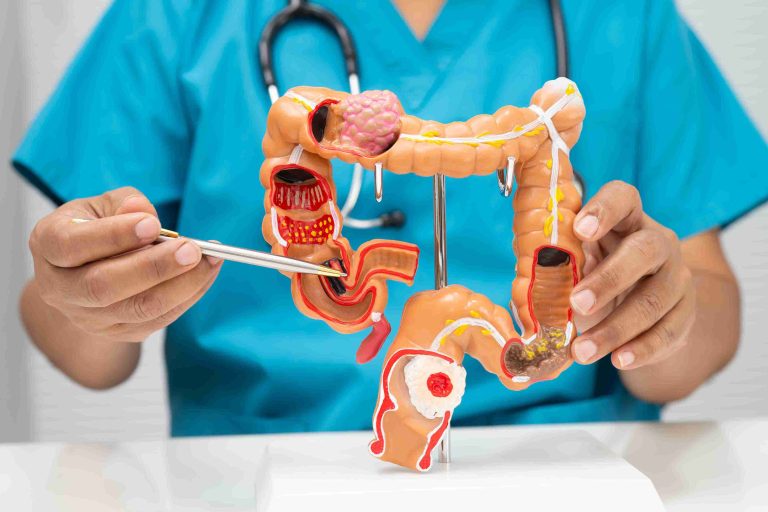
A colonoscopy is an endoscopic procedure in which a long, flexible tube with a camera is inserted through the rectum to examine the entire colon and rectum.
Key benefits of colonoscopy
- Direct visualization of polyps and abnormal tissue
- Immediate removal of polyps during the procedure
- Early detection of colorectal cancers
- Comprehensive evaluation of the colon lining
Colonoscopy is recommended for adults aged 45 and older, as well as younger individuals with a family history of colorectal cancer or gastrointestinal symptoms such as bleeding, chronic abdominal pain, or unexplained anemia [1].
While more invasive than a stool DNA test, the colonoscopy detects polyps faster and more accurately, reducing the risk of malignant progression.
What is a Stool DNA Test?
A stool DNA test analyzes stool samples for DNA mutations associated with colorectal cancer and precancerous polyps. It is non-invasive, convenient, and can be done at home, making it an attractive option for patients hesitant about invasive procedures.
Benefits
- Non-invasive and easy to collect
- No bowel preparation or sedation required
- Useful for initial screening in average-risk individuals
Limitations
- Less sensitive to small or flat polyps, which can delay detection
- Positive results require follow-up colonoscopy for confirmation and polyp removal
- Cannot provide immediate treatment
The stool DNA test is best suited for patients at average risk or those unable to undergo colonoscopy due to medical conditions [2].
Colonoscopy vs Stool DNA Test: Detection Speed and Accuracy
| Feature | Colonoscopy | Stool DNA Test |
| Polyp Detection | Direct visualization; can detect small, flat, and large polyps | Detects DNA markers of polyps; may miss small or flat polyps |
| Detection Speed | Immediate during procedure | Delayed until test result and follow-up colonoscopy |
| Treatment Capability | Polyp removal and biopsy during procedure | None; requires follow-up colonoscopy |
| Preparation | Bowel cleansing required; sedation often used | None; simple at-home stool collection |
| Invasiveness | Invasive | Non-invasive |
| Frequency | Every 10 years if normal (average risk) | Every 3 years recommended |
| Cost | SGD 800–2,500 in private clinics¹ | SGD 300–600 in Singapore |
This table highlights why colonoscopy detects polyps faster—it allows physicians to identify and remove polyps immediately rather than waiting for test results and scheduling a follow-up procedure [3].
When Colonoscopy is Recommended
Colonoscopy is preferred in the following situations:
- Presence of gastrointestinal symptoms such as blood in stools, chronic constipation, or unexplained abdominal pain
- Family history of colorectal cancer or polyps
- Patients over 45 or at higher risk due to lifestyle or medical history
- Positive stool DNA test results requiring confirmation
A study of over 10,000 patients showed that colonoscopy detected adenomatous polyps in 25–30% of screening exams, including flat lesions that stool DNA tests may miss. Early removal significantly reduces colorectal cancer incidence and mortality [4].
When Stool DNA Testing is Appropriate
Stool DNA tests may be suitable for:
- Patients unwilling or unable to undergo a colonoscopy test
- Average-risk adults seeking a convenient, non-invasive initial screening
- Those with limited access to healthcare facilities
While convenient, stool DNA testing should not replace colonoscopy for high-risk individuals, as delays in detecting certain polyps can impact long-term outcomes.
Advantages and Limitations
Colonoscopy Advantages
- Immediate polyp removal
- High sensitivity for all polyp types
- Can identify other gastrointestinal abnormalities
Colonoscopy Limitations
- Invasive and requires bowel preparation
- Sedation needed; minor risk of complications such as perforation or bleeding
Stool DNA Test Advantages
- Non-invasive, simple at-home test
- Encourages participation in colorectal screening programs
- Cost-effective for initial screening
Stool DNA Test Limitations
- Positive results require a colonoscopy procedure
- Less sensitive for small or flat polyps
- Cannot provide treatment
Cost Considerations
The colonoscopy cost is higher, reflecting the procedure’s complexity, sedation, and therapeutic capabilities. Stool DNA tests are cheaper and more convenient but may lead to additional costs if follow-up colonoscopy is required due to positive results [5].
In Singapore, private colonoscopy costs range from SGD 800–2,500, whereas stool DNA testing costs around SGD 300–600. Insurance coverage and government subsidies may affect out-of-pocket expenses.
Which Should You Choose?
- High-risk individuals: Colonoscopy is the preferred method for faster, more accurate detection.
- Average-risk individuals: Stool DNA tests can be an initial screening tool, with colonoscopy as a follow-up if necessary.
- Patients avoiding invasive procedures: Stool DNA tests offer a convenient alternative, but long-term monitoring is essential.
Ultimately, the choice between colonoscopy exam and stool DNA testing depends on personal risk factors, symptoms, and willingness to undergo an invasive procedure. Colonoscopy remains the gold standard for early detection and immediate treatment, whereas stool DNA tests provide a non-invasive, cost-effective screening option.
Conclusion
While stool DNA tests are convenient and non-invasive, colonoscopy detects polyps faster and more reliably, offering immediate intervention and reducing the risk of colorectal cancer progression. For high-risk individuals, symptomatic patients, or those with positive stool DNA results, colonoscopy is the definitive diagnostic tool [6].
Patients should discuss their risk factors, symptoms, and financial considerations with a healthcare provider to determine the most appropriate screening method. By balancing accuracy, speed, and convenience, patients can optimize colorectal health and take proactive steps in cancer prevention.
References
- American Cancer Society. (2025). Colorectal cancer screening tests. https://www.cancer.org/cancer/types/colon-rectal-cancer/detection-diagnosis-staging/screening-tests-used.html
- Stürzlinger, H. (2023). Stool DNA testing for early detection of colorectal cancer and adenomas: A systematic review. https://www.ncbi.nlm.nih.gov/pmc/articles/PMC10326527/
- American Cancer Society. (2024). Colorectal cancer guidelines: Who should be screened and when. https://www.cancer.org/cancer/types/colon-rectal-cancer/detection-diagnosis-staging/acs-recommendations.html
- U.S. Preventive Services Task Force. (2017). Colorectal cancer screening recommendations. https://www.uspreventiveservicestaskforce.org/uspstf/recommendation/colorectal-cancer-screening
- Mayo Clinic. (2024). Colon cancer screening: Weighing the options. https://www.mayoclinic.org/diseases-conditions/colon-cancer/in-depth/colon-cancer-screening/art-20046825
- Redwood, D. G., et al. (2016). Stool DNA testing for detection of colorectal neoplasia. Diseases of the Colon & Rectum. https://www.sciencedirect.com/science/article/pii/S0025619615008034