Key Takeaways
- Gastroscopy is a key diagnostic tool for detecting stomach cancer at an early stage when treatment is most effective.
- Early detection through gastroscopy significantly improves survival rates and treatment outcomes.
- Gastroscopy allows physicians to visually examine the stomach lining, perform biopsies, and identify precancerous lesions.
- Patients with risk factors such as family history, chronic gastritis, or persistent digestive symptoms should prioritize regular gastroscopy screenings.
Understanding Gastroscopy
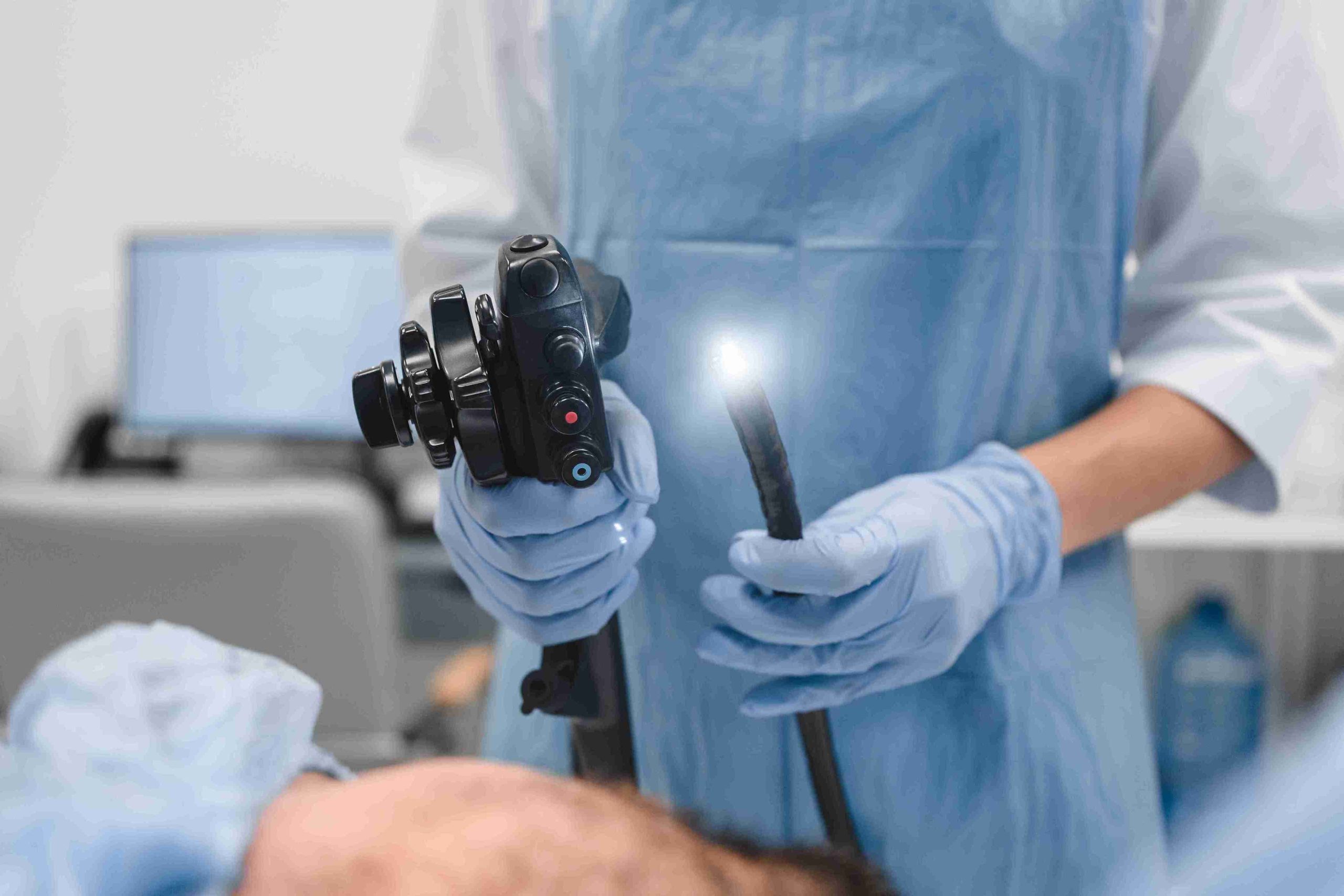
Gastroscopy is a medical procedure that allows doctors to examine the interior of the esophagus, stomach, and upper part of the small intestine using a flexible tube called a gastroscope. The gastroscope is equipped with a high-resolution camera and light source, enabling direct visualization of the stomach lining. Diagnostic gastroscopy is particularly important for:
- Detecting early-stage stomach cancer
- Diagnosing chronic gastritis, ulcers, and other gastric conditions
- Investigating persistent symptoms such as abdominal pain, nausea, vomiting, or unexplained weight loss
By providing a clear view of the stomach, gastroscopy helps identify abnormalities before they progress to advanced disease.
How Gastroscopy Detects Early Stomach Cancer
1. Direct Visualization
The gastroscope allows physicians to see the stomach lining in real time. Early lesions, polyps, or abnormal tissue changes can be identified before symptoms become severe.
2. Biopsy Capabilities
If suspicious areas are detected, small tissue samples can be taken for histological examination. Biopsies confirm the presence of cancerous or precancerous cells, allowing timely intervention.
3. Detection of Precancerous Conditions
Gastroscopic examination can identify conditions that increase stomach cancer risk, such as:
- Chronic gastritis caused by Helicobacter pylori infection
- Intestinal metaplasia
- Dysplasia
Early detection of these conditions allows physicians to monitor patients closely and provide preventive treatment.
Who Should Consider Gastroscopy
Certain individuals are at higher risk of developing stomach cancer and should consider gastroscopy for early detection:
- Family history of stomach cancer: Genetic predisposition increases risk.
- Chronic gastritis or ulcers: Long-standing inflammation can lead to malignant transformation.
- Persistent gastrointestinal symptoms: Abdominal pain, bloating, nausea, or unexplained weight loss.
Preparing for Gastroscopy
Proper preparation ensures accurate results and reduces discomfort:
- Fasting: Avoid food and drink for at least 6–8 hours prior to the procedure.
- Medication Review: Consult your doctor about blood thinners or other medications.
- Arranging Transportation: Sedation is commonly used, so patients should not drive afterward.
- Discussing Medical History: Inform the doctor about allergies, chronic conditions, or prior gastroscopy experiences.
Following these steps ensures the procedure is safe, efficient, and effective.
What to Expect During Gastroscopy
- Sedation: Most patients receive conscious sedation to remain relaxed and comfortable.
- Insertion: The gastroscope is gently passed through the mouth into the esophagus and stomach.
- Examination: The physician examines the stomach lining for lesions, ulcers, or abnormal growths.
- Biopsy or Polyp Removal: If necessary, tissue samples or small polyps can be removed during the procedure.
- Recovery: Patients are monitored briefly post-procedure, usually recovering within a few hours.
The procedure is minimally invasive, safe, and highly informative for early detection of stomach cancer.
Advantages of Gastroscopy for Early Cancer Detection
1. Early Diagnosis Saves Lives
- Detecting cancer at an early stage allows for less invasive treatment and higher survival rates.
- Gastroscopy can identify malignant changes before symptoms become severe.
2. Preventive Intervention
- By detecting precancerous conditions, gastroscopy enables proactive treatment, such as H. pylori eradication or polyp removal.
- Preventive measures reduce the likelihood of developing stomach cancer in the future.
3. Accurate and Comprehensive
- Gastroscopy provides a direct, high-resolution view of the stomach lining, surpassing imaging techniques like X-rays or CT scans in accuracy.
4. Personalized Follow-Up
- Based on gastroscopy findings, physicians can recommend tailored surveillance schedules, lifestyle adjustments, or medical treatments.
Potential Risks and Considerations
Gastroscopy is generally safe, but patients should be aware of potential risks:
- Sore throat or mild discomfort after the procedure
- Bloating or cramping due to air insufflation
- Rare complications such as bleeding from biopsy sites or perforation
- Sedation-related effects like drowsiness or nausea
Proper preparation, experienced medical staff, and adherence to post-procedure instructions minimize these risks.
Lifestyle Measures to Complement Gastroscopy
While gastroscopy is critical for early detection, lifestyle modifications support gastric health and reduce cancer risk:
- Balanced Diet: High in fruits, vegetables, and whole grains; limit processed and smoked foods.
- Avoid Smoking and Alcohol: Both increase the risk of gastric cancer.
- Maintain Healthy Weight: Obesity is linked to higher incidence of gastric disease.
- Manage Stress: Chronic stress can exacerbate gastrointestinal issues.
- Treat H. pylori Infections: Early eradication reduces long-term cancer risk.
These measures, combined with routine gastroscopy, promote optimal stomach health.
Conclusion
Gastroscopy is an essential tool for the early detection of stomach cancer. By providing direct visualization, biopsy capability, and identification of precancerous conditions, gastroscopy empowers patients and physicians to act before serious disease develops.
Individuals with risk factors, chronic gastrointestinal symptoms, or a family history of gastric cancer should prioritize regular gastroscopy screenings. Combined with healthy lifestyle choices, proper monitoring, and preventive care, gastroscopy ensures early intervention, improved treatment outcomes, and long-term digestive health.