When abdominal discomfort strikes, it can be difficult to pinpoint the exact cause. Many people experience upper abdominal pain and immediately assume it’s due to “gastritis” or acid-related issues. However, understanding the distinction between gastric pain and duodenal pain is crucial for proper diagnosis and treatment. Although both are related to peptic ulcer disease and involve the upper digestive tract, they differ in timing, triggers, and underlying mechanisms.
Understanding Gastric Pain
Gastric pain originates from the stomach itself—specifically the upper middle region of the abdomen, just below the ribs. It can feel like a burning, gnawing, or aching discomfort that may radiate to the back or chest. This type of pain often results from irritation or erosion of the stomach lining caused by excess acid, infection, or certain medications.
Common Causes of Gastric Pain
One of the most common causes of gastric pain is gastritis, the inflammation of the stomach lining. Gastritis can occur suddenly (acute) or develop gradually (chronic). The primary culprit is often Helicobacter pylori (H. pylori), a bacterium that thrives in the stomach’s acidic environment and damages the protective mucosal layer.
Long-term use of nonsteroidal anti-inflammatory drugs (NSAIDs) like ibuprofen or aspirin can also lead to gastric irritation and ulcers. Other factors—such as stress, excessive alcohol intake, or smoking—can aggravate the stomach lining, worsening gastric pain symptoms.
Symptoms of Gastric Pain
People experiencing gastric pain often report a burning sensation or discomfort that worsens after eating. This happens because food stimulates acid secretion, which further irritates the already inflamed stomach lining. Bloating, nausea, vomiting, and loss of appetite may accompany the pain. In severe cases, gastric ulcers may lead to vomiting blood or black, tarry stools—both signs of internal bleeding that require urgent medical attention.
Understanding Duodenal Pain
In contrast, duodenal pain arises from the duodenum, the first section of the small intestine that connects to the stomach. The duodenum also produces mucus to protect itself from acid, but if that lining is compromised, ulcers or inflammation can develop.
Duodenal pain typically manifests as a burning or gnawing sensation in the upper abdomen, similar to gastric pain, but its timing and response to food are different.
Common Causes of Duodenal Pain
Like gastric ulcers, duodenal ulcers are frequently linked to H. pylori infection. However, duodenal ulcers tend to develop because of excessive acid exposure rather than direct damage from irritants like NSAIDs. The bacterium triggers increased acid production, which overwhelms the duodenum’s natural defense mechanisms.
Other risk factors include smoking, alcohol, and genetic predisposition. In some individuals, stress or irregular eating habits may worsen duodenal pain, although stress alone is rarely the primary cause.
Symptoms of Duodenal Pain
Unlike gastric distress, duodenal discomfort often improves with eating. This happens because food temporarily neutralizes stomach acid, providing relief. However, the pain typically returns a few hours after meals or during the night when the stomach is empty and acid levels rise.
Patients describe it as a deep, dull ache located slightly lower than gastric ache, sometimes radiating to the back. Associated symptoms may include bloating, burping, nausea, or weight gain (as individuals may eat more frequently to relieve discomfort).
Timing and Pattern Differences
One of the most distinguishing features between gastric pain and duodenal pain is their relationship with meals.
Gastric pain typically worsens immediately after eating because the stomach releases more acid during digestion. Duodenal pain, on the other hand, tends to occur when the stomach is empty—either a few hours after eating or in the middle of the night.
This contrast can help clinicians determine the likely site of the problem. However, because both conditions can overlap or coexist, additional diagnostic testing is often necessary to confirm the source.
Diagnosing Gastric and Duodenal Conditions
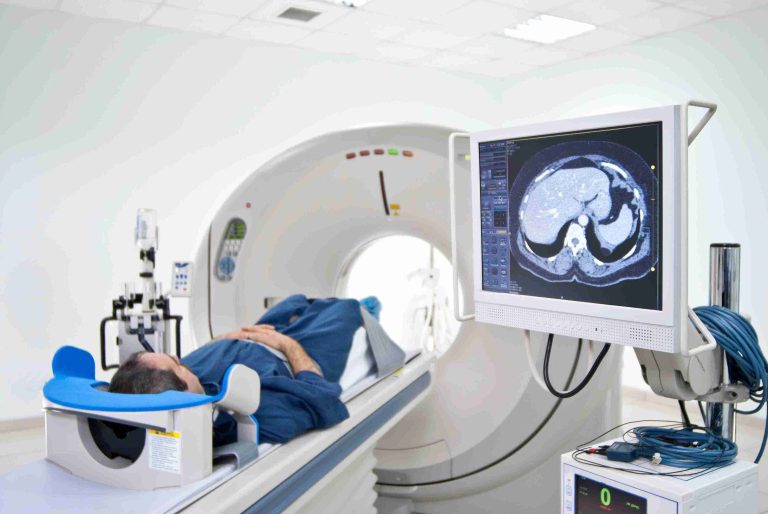
When patients present with persistent upper abdominal discomfort, doctors perform a series of tests to identify whether gastric discomfort or duodenal pain is responsible. The most definitive test is an upper endoscopy (also called esophagogastroduodenoscopy or EGD). This procedure allows doctors to visually inspect the stomach and duodenum using a thin, flexible camera. They can detect ulcers, inflammation, or bleeding and even take biopsies for H. pylori testing.
Other diagnostic tools may include:
- Urea breath test or stool antigen test: to detect H. pylori infection.
- Blood tests: to check for anemia caused by internal bleeding.
- Barium swallow X-rays: to outline ulcers or structural abnormalities.
Accurate diagnosis is essential because gastric pain and duodenal pain require slightly different management strategies.
Treatment Approaches
Both gastric pain and duodenal pain respond well to medical therapy, particularly when caused by H. pylori infection. The standard treatment is triple therapy, which includes two antibiotics (to kill the bacteria) and a proton pump inhibitor (PPI) to reduce acid production.
PPIs such as omeprazole, pantoprazole, or esomeprazole are the cornerstone of treatment. They allow the stomach and duodenum to heal by lowering acid levels and minimizing irritation.
In cases not related to H. pylori, treatment focuses on removing the cause—such as stopping NSAID use, reducing alcohol, or managing stress. Antacids and histamine-2 blockers (like famotidine) may provide quick relief for gastric pain, while dietary changes help prevent recurrence.
Dietary and Lifestyle Modifications
Managing gastric pain and duodenal pain effectively involves not only medication but also lifestyle adjustments. Patients are advised to:
- Avoid spicy, acidic, or fried foods that trigger discomfort.
- Limit caffeine, alcohol, and carbonated beverages.
- Eat smaller, more frequent meals to avoid overwhelming the digestive system.
- Quit smoking, as nicotine increases acid secretion and delays healing.
- Manage stress through relaxation exercises or counseling.
These adjustments support the healing process and reduce the risk of ulcer recurrence.
Complications of Untreated Ulcers
Ignoring persistent gastric pain or duodenal symptoms can lead to serious complications. Untreated ulcers may deepen and cause bleeding, perforation (a hole in the stomach or intestinal wall), or gastric outlet obstruction (narrowing that blocks food passage).
Bleeding ulcers are medical emergencies, marked by vomiting blood or passing black stools. Perforation causes sudden, severe abdominal pain and requires immediate surgery. Chronic ulcers can also increase the risk of stomach cancer, especially in patients with long-term H. pylori infection.
Prevention and Early Detection
Preventing gastric pain and duodenal pain largely depends on managing risk factors. People who regularly use NSAIDs should take them with food and under a doctor’s supervision. If long-term use is unavoidable, a PPI may be prescribed to protect the stomach lining.
Regular medical checkups are especially important for individuals with a history of ulcers or persistent digestive symptoms. Early testing for H. pylori can prevent ulcers from developing in the first place.
Public awareness about the differences between gastric pain and duodenal pain** is essential. Recognizing symptom patterns—such as pain timing and response to food—can prompt earlier medical consultation and prevent severe complications.
When to See a Doctor
Not all abdominal pain indicates an ulcer, but persistent gastric pain or nighttime duodenal discomfort should not be ignored. Seek medical attention if you experience:
- Pain lasting more than two weeks
- Vomiting blood or passing black stools
- Unexplained weight loss or fatigue
- Difficulty swallowing or severe nausea
Prompt diagnosis allows for early intervention and reduces the risk of long-term damage.
Conclusion
While gastric pain and duodenal pain may seem similar, understanding their key differences is vital for accurate diagnosis and treatment. Gastric pain tends to worsen after meals due to increased acid production, while duodenal pain typically improves with food but returns when the stomach is empty.
Both conditions share common causes, such as H. pylori infection and NSAID use, yet they differ in their patterns and management approaches. With appropriate medical evaluation, treatment, and lifestyle modifications, most patients recover fully and can prevent recurrence. In essence, listening to your body and recognizing the nuances of gastric pain can lead to early detection and effective care—ensuring long-term digestive health and overall well-being.