Key Takeaways
- Endoscopy is a standard procedure for visualizing the upper and lower digestive tract, while capsule endoscopy is less invasive and used primarily for the small intestine.
- Both procedures provide valuable diagnostic information, but their preparation, duration, and risks differ.
- The choice between the two depends on your medical condition, area of concern, and physician recommendations.
- Understanding the benefits, limitations, and suitability of endoscopy and capsule endoscopy helps patients make informed healthcare decisions.
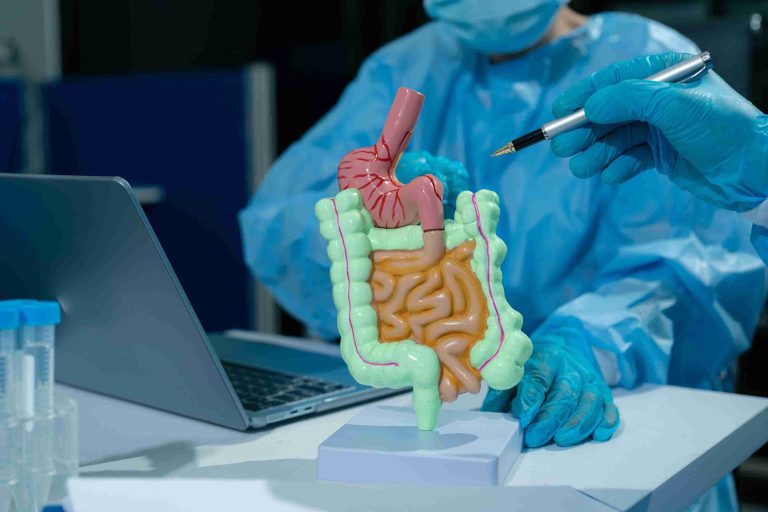
Gastrointestinal issues can be complex, and accurate diagnosis often requires visual examination of the digestive tract [1]. Two common options are endoscopy and capsule endoscopy. Patients often ask, “Which one should I choose?” The answer depends on the specific part of the digestive tract that needs examination, your health condition, and your doctor’s assessment.
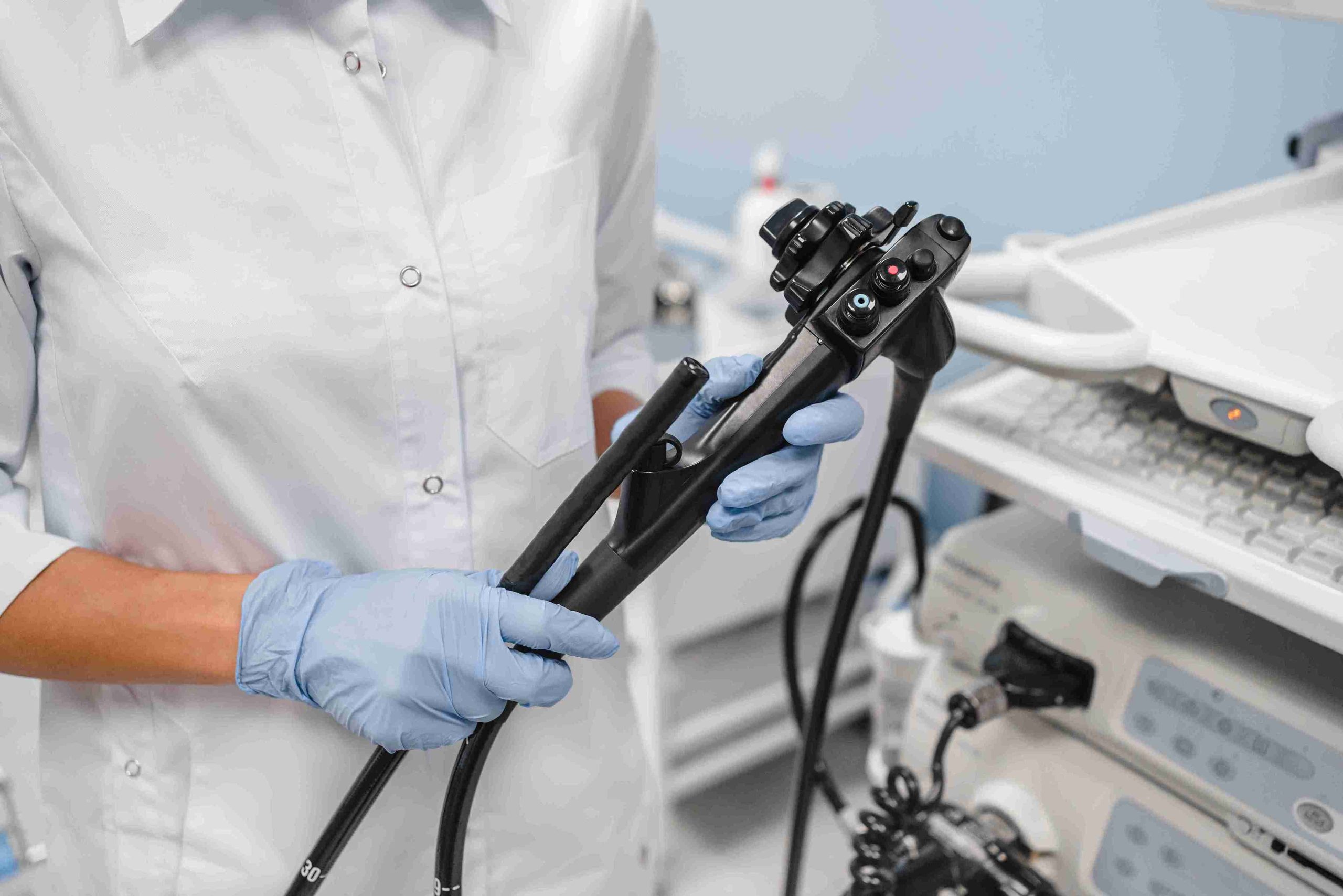
While traditional endoscopy uses a flexible tube with a camera to inspect the esophagus, stomach, and duodenum [2], capsule endoscopy involves swallowing a small, camera-equipped capsule that captures images as it passes through the small intestine [3]. Both methods are valuable diagnostic tools, but they differ in invasiveness, preparation, and suitability for certain conditions.
What Is Endoscopy?
Endoscopy is a procedure that allows doctors to directly visualize the upper or lower gastrointestinal tract. It is commonly used to detect issues such as:
- Gastric ulcers
- Gastroesophageal reflux disease (GERD)
- Inflammatory bowel disease (IBD)
- Polyps or early cancer
During endoscopy, a flexible tube with a light and camera (endoscope) is inserted through the mouth or rectum, depending on the area being examined. Biopsies or treatments, such as polyp removal, can often be performed during the procedure [4].
Key advantages of endoscopy include real-time visualization, the ability to perform therapeutic interventions, and high diagnostic accuracy [5].
What Is Capsule Endoscopy?
Capsule endoscopy is a non-invasive procedure primarily used to examine the small intestine, a region that is difficult to reach with conventional endoscopy.
- The patient swallows a small capsule containing a camera.
- As the capsule moves through the digestive tract, it transmits images to an external recorder.
- The capsule is naturally excreted through the stool.
Capsule endoscopy is particularly useful for detecting small intestine bleeding, investigating unexplained anemia, and monitoring Crohn’s disease or other inflammatory conditions [6]. Unlike traditional endoscopy, capsule endoscopy cannot perform biopsies or therapeutic procedures. It is primarily diagnostic.
Key Differences Between Endoscopy and Capsule Endoscopy
| Feature | Endoscopy | Capsule Endoscopy |
| Access | Upper or lower GI tract | Small intestine |
| Procedure | Tube inserted via mouth or rectum | Swallowed capsule |
| Invasiveness | Moderately invasive | Non-invasive |
| Biopsy/Treatment | Yes | No |
| Sedation | Often required | Not required |
| Preparation | Fasting and bowel prep | Fasting, sometimes bowel prep |
| Duration | 15–60 minutes | 8 hours (capsule passage) |
| Diagnostic Accuracy | High for targeted areas | High for small intestine bleeding |
| Risks | Bleeding, perforation (rare) | Capsule retention (rare) |
This table helps patients understand which procedure may be most appropriate depending on their symptoms and the location of concern.
Indications for Choosing Endoscopy
A doctor may recommend an endoscopy test if:
- There is suspected ulceration, tumor, or inflammation in the esophagus, stomach, or colon.
- Biopsy or treatment may be required during the procedure.
- Persistent gastrointestinal symptoms need immediate assessment.
An endoscopy exam provides the advantage of direct observation and the possibility of immediate intervention, which can be lifesaving in certain conditions.
Indications for Choosing Capsule Endoscopy
Capsule endoscopy is preferred when:
- The small intestine is suspected to be the source of bleeding.
- Conventional endoscopy cannot reach the affected area.
- Patients prefer a less invasive procedure and do not require biopsies or treatment during the exam.
It is particularly helpful in cases of unexplained gastrointestinal bleeding, chronic anemia, or suspected small bowel Crohn’s disease.
Preparation and Procedure
Endoscopy Preparation
- Fasting for 6–8 hours before the procedure
- Bowel preparation for colonoscopy
- Sedation is usually provided for patient comfort
Capsule Endoscopy Preparation
- Fasting for 8–12 hours
- Limited diet the day before the procedure
- Avoiding certain medications that may affect imaging
Both procedures require adherence to instructions to ensure accurate results.
Risks and Limitations
Endoscopy
- Minor risks include sore throat, bloating, or cramping
- Rare complications: bleeding, infection, or perforation
- Requires sedation in most cases
Capsule Endoscopy
- Capsule retention in cases of strictures or obstruction
- Limited ability to detect lesions outside the small intestine
- No therapeutic capabilities
Understanding these limitations helps patients weigh the benefits and risks before deciding.
Recovery and Follow-Up
- Endoscopy: Patients may rest for a few hours after sedation, with results discussed immediately or within a few days.
- Capsule Endoscopy: No sedation is required; patients can resume normal activities. Images are reviewed after the capsule completes its passage, usually within a day.
Both procedures may be followed by further testing or treatment depending on the findings.
Which One Should You Choose?
Choosing between endoscopy procedure and capsule endoscopy depends on the medical issue:
- For upper or lower GI concerns where biopsy or treatment may be needed, endoscopy is usually the preferred choice.
- For small intestine evaluation, especially when bleeding is suspected, capsule endoscopy may be more suitable.
- Physicians often consider the patient’s medical history, tolerance for invasive procedures, and diagnostic goals before making a recommendation.
Conclusion
Both endoscopy and capsule endoscopy are valuable diagnostic tools, but they serve different purposes. Endoscopy offers direct visualization, biopsy, and treatment options, while capsule endoscopy provides a non-invasive way to examine the small intestine.
Understanding the differences, benefits, and limitations of each procedure allows patients to make informed decisions with their healthcare provider. Choosing the right procedure ensures accurate diagnosis, effective treatment, and optimal gastrointestinal health.
By discussing your symptoms and medical history with your doctor, you can determine whether endoscopy or capsule endoscopy best meets your needs and diagnostic goals.
References
- Mayo Clinic. (2023). Endoscopy: Overview. Mayo Foundation for Medical Education and Research. https://www.mayoclinic.org/tests-procedures/endoscopy/about/pac-20395197
- ASGE Standards of Practice Committee. (2021). Guidelines for endoscopy in adults. Gastrointestinal Endoscopy, 93(1), 1–24. https://doi.org/10.1016/j.gie.2020.10.041
- Pennazio, M., Spada, C., Eliakim, R., Keuchel, M., May, A., Saurin, J.-C., … & EMA. (2015). Small-bowel capsule endoscopy and device-assisted enteroscopy for diagnosis and treatment of small-bowel disorders: European Society of Gastrointestinal Endoscopy (ESGE) Technical Guideline. Endoscopy, 47(4), 352–376. https://doi.org/10.1055/s-0034-1391855
- Leighton, J. A., & Rex, D. K. (2019). Capsule endoscopy: Indications, techniques, and future directions. Gastroenterology & Hepatology, 15(12), 713–721. https://www.ncbi.nlm.nih.gov/pmc/articles/PMC6915446/
- ASGE Technology Committee. (2017). Endoscopic accessories and devices for therapeutic endoscopy. Gastrointestinal Endoscopy, 85(2), 337–350. https://doi.org/10.1016/j.gie.2016.09.023
- Rondonotti, E., Spada, C., Adler, S. N., May, A., Despott, E. J., Koulaouzidis, A., … & Pennazio, M. (2018). Capsule endoscopy in clinical practice: European Society of Gastrointestinal Endoscopy (ESGE) Technical Guideline. Endoscopy, 50(4), 357–378. https://doi.org/10.1055/a-0583-5082