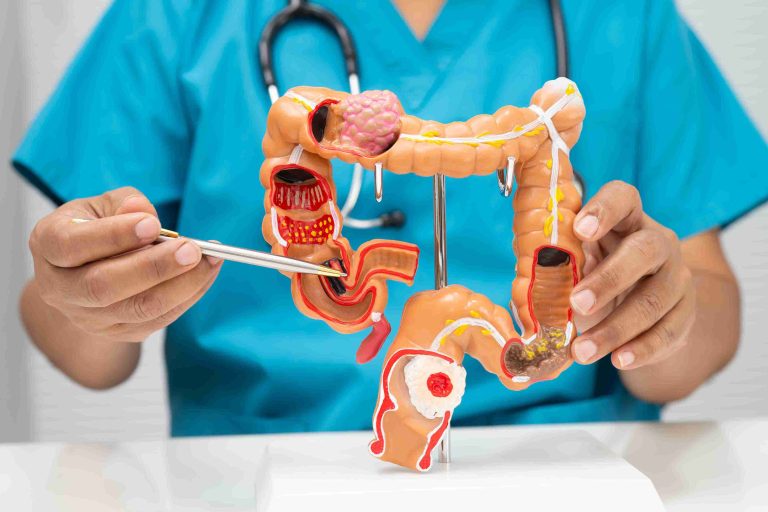
Seeing blood in stools can be an alarming experience. Even a small streak of red can trigger worry and questions about what’s happening inside your body. While not all cases are serious, the presence of blood in stools is never something to ignore. It can range from harmless causes like minor hemorrhoids to more concerning conditions such as ulcers, inflammatory bowel disease, or colorectal cancer. Understanding what the symptom means, what the possible causes are, and when to seek medical help is key to protecting your digestive health.
Understanding What Blood in Stools Means
When doctors refer to blood in stools, they are describing any instance where blood appears in or on feces. The color of the blood can often help determine where it is coming from. Bright red blood typically indicates bleeding from the lower part of the digestive tract, such as the rectum or anus. This is commonly associated with hemorrhoids, anal fissures, or rectal irritation.
On the other hand, dark red or black stools may signal bleeding from higher up in the digestive system, such as the stomach or small intestine. In these cases, the blood has been partially digested as it travels through the intestines, giving it a darker, tar-like appearance. This condition, known as melena, may point to ulcers or other serious gastrointestinal conditions.
Regardless of the shade, noticing blood in stools is a sign that the digestive tract is irritated, injured, or affected by disease. Even if it occurs only once, it’s important to take note of it and discuss it with a healthcare professional.
Common Causes of Blood in Stools
The causes of blood in stools can vary widely, from mild and temporary issues to more serious medical conditions. Understanding these causes can help you interpret your symptoms and determine whether to seek immediate medical care.
One of the most common causes is hemorrhoids, which are swollen veins in the lower rectum or anus. They can bleed easily during bowel movements, especially if stools are hard or if straining occurs. Anal fissures, which are small tears in the lining of the anus, are another frequent cause of bright red bleeding and can cause pain during defecation.
Gastrointestinal infections, often due to bacteria or parasites, can also cause inflammation and bleeding in the intestines. Meanwhile, inflammatory bowel diseases (IBD) such as Crohn’s disease or ulcerative colitis can lead to chronic inflammation that damages the intestinal lining, resulting in blood in stools.
In more severe cases, bleeding may be caused by peptic ulcers, diverticulosis, or colorectal cancer. These conditions usually cause darker bleeding and are often accompanied by other symptoms such as fatigue, abdominal pain, weight loss, or changes in bowel habits.
How Much Blood Is Too Much?
One of the most common questions people have is, “How much blood in stools is too much?” While it’s not easy to measure, any visible amount of blood should be taken seriously. A small streak on the toilet paper may be due to a minor issue, but repeated or large amounts of bleeding, or blood that turns the water in the toilet bowl red or dark, should be evaluated promptly.
The amount of bleeding doesn’t always reflect the severity of the condition. Sometimes, small but persistent bleeding can signal a serious underlying disease, while heavier bleeding may result from something less severe like hemorrhoids. However, if you notice significant blood loss, feel dizzy, or experience weakness and rapid heartbeat, it could indicate internal bleeding that requires emergency care.
If blood during bowel movement continues for several days, worsens, or is accompanied by other symptoms such as abdominal pain, nausea, or unexplained fatigue, a medical consultation should be scheduled as soon as possible.
Associated Symptoms to Watch For
When assessing blood in stools, doctors also consider other accompanying symptoms. Pain during bowel movements, constipation, or itching may point toward hemorrhoids or fissures. On the other hand, symptoms like diarrhea, fever, or cramping could indicate infection or inflammation.
More alarming signs include persistent fatigue, unexplained weight loss, and changes in stool consistency or frequency. These may suggest conditions such as inflammatory bowel disease or colorectal cancer. Paying attention to how your body feels can provide valuable clues that help your doctor make an accurate diagnosis.
Diagnostic Tests for Blood in Stools
If you experience blood in stools, your doctor will likely recommend diagnostic tests to determine the cause. The process usually begins with a medical history review and physical examination. You’ll be asked about your symptoms, bowel habits, medications, and dietary patterns.
A fecal occult blood test (FOBT) or fecal immunochemical test (FIT) can detect small amounts of hidden blood in the stool that may not be visible to the naked eye. These tests are often used for routine screening, especially in adults over 50, to check for early signs of colorectal cancer.
If visible bleeding is present or test results are positive, more detailed procedures may be performed. Colonoscopy, a type of endoscopy, allows doctors to examine the inner lining of the colon and rectum directly. It can help identify the source of bleeding and even allow for treatment during the same procedure, such as removing polyps or sealing small bleeding vessels. Other diagnostic tools like upper endoscopy, CT scans, or capsule endoscopy may also be used, depending on the suspected source of bleeding.
Treatment Options for Blood in Stools
Treatment for blood in stools depends on the underlying cause. For minor issues such as hemorrhoids or fissures, simple lifestyle changes are often effective. Increasing fiber intake, drinking plenty of water, and avoiding straining during bowel movements can help reduce irritation and prevent recurrence. Over-the-counter creams or sitz baths can also relieve discomfort.
If the bleeding is due to infection, antibiotics or antiparasitic medications may be prescribed. For inflammatory bowel disease, long-term management using anti-inflammatory drugs or immune-suppressing medications is often needed. Peptic ulcers caused by bacteria like Helicobacter pylori can be treated with antibiotics and acid-reducing medications.
In more serious cases, such as bleeding ulcers, diverticular disease, or colorectal cancer, medical or surgical interventions may be necessary. Endoscopic procedures can be used to cauterize bleeding areas, remove growths, or repair tissue damage. Early diagnosis and treatment are critical for preventing complications and improving outcomes.
Preventing Blood in Stools
Although not all causes of blood in stools can be prevented, certain lifestyle choices can significantly lower your risk. Maintaining a balanced diet rich in fiber promotes healthy digestion and prevents constipation, one of the main triggers of rectal bleeding. Staying hydrated and engaging in regular physical activity also support bowel regularity.
Avoid excessive alcohol consumption and smoking, as these can irritate the digestive tract and contribute to ulcers and other gastrointestinal problems. It’s also important to undergo regular screening tests, especially if you are over 50 or have a family history of colon cancer or polyps. Early detection through colonoscopy or fecal tests can catch potential problems before they become serious.
When to See a Doctor
It’s always better to be cautious when dealing with blood in stools. Seek immediate medical attention if the bleeding is heavy, persistent, or accompanied by dizziness, fainting, or severe abdominal pain. Even if the bleeding appears minor, a doctor should evaluate it if it happens more than once or is accompanied by other symptoms.
Prompt diagnosis can help identify the cause and guide appropriate treatment before complications arise. Remember, gastrointestinal bleeding—no matter how small—can be a warning sign of something more serious.
Conclusion
Seeing blood in stools can be unsettling, but it’s an important signal from your body that should never be ignored. While minor issues like hemorrhoids and fissures are often to blame, it can also indicate infections, inflammation, or more serious conditions such as ulcers and colorectal cancer.
Being aware of what the symptom means, how much blood is concerning, and when to seek medical care can make all the difference. By paying attention to changes in your body, maintaining healthy habits, and getting regular checkups, you can protect your digestive health and ensure any problems are detected early—before they become serious.