Living with recurring or persistent stomach discomfort can be worrying and disruptive. In Singapore, many people experience gastric-related issues, but not all gastric pain is the same. Some cases are caused by simple lifestyle factors, while others may signal a more serious underlying condition. Understanding the causes, symptoms, and when to seek medical care can help you manage the problem effectively and protect your long-term digestive health.
Understanding Gastric Pain
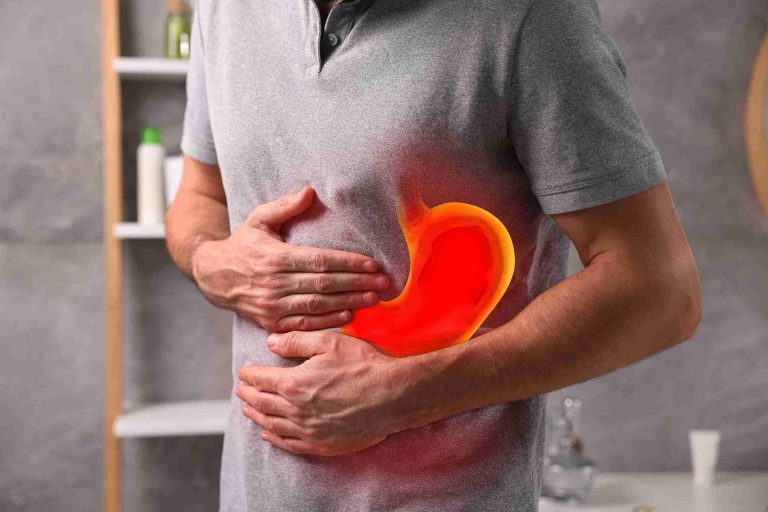
Gastric pain typically refers to discomfort, cramping, or burning sensations in the upper part of the abdomen, especially around the stomach area. It may be mild and occasional or severe and persistent, affecting your ability to eat, sleep, or go about your daily activities. In many cases, gastric pain is linked to conditions like acid reflux, gastritis, ulcers, or functional dyspepsia.
However, because the stomach is close to other organs, the pain may sometimes be related to issues in the pancreas, liver, or gallbladder. This is why it is important to pay attention to accompanying symptoms and seek proper medical evaluation if the discomfort becomes frequent.
Common Causes of Chronic Gastric Pain
Several conditions can lead to ongoing gastric pain, some of which require medical treatment.
1. Gastritis
Gastritis occurs when the stomach lining becomes inflamed, often due to stress, excessive alcohol consumption, certain medications like painkillers, or infection by Helicobacter pylori bacteria. This inflammation can cause burning pain, nausea, and bloating, especially after meals.
2. Peptic Ulcers
Peptic ulcers are open sores that develop on the lining of the stomach or upper part of the small intestine. They can cause sharp, gnawing pain, which may improve temporarily after eating but return later. In Singapore, H. pylori infection and long-term use of anti-inflammatory drugs are common causes of ulcers.
3. Acid Reflux and GERD
Gastroesophageal reflux disease (GERD) is a condition where stomach acid frequently flows back into the esophagus, causing heartburn and upper abdominal pain. Over time, untreated GERD can lead to chronic irritation and other complications.
4. Functional Dyspepsia
This is a common but less understood cause of gastric pain, where no clear structural problem is found. Symptoms may include bloating, early fullness when eating, and discomfort after meals.
5. Gallbladder or Pancreatic Issues
Sometimes, what feels like epigastric pain may actually originate from the gallbladder (such as gallstones) or the pancreas (such as pancreatitis). This is why persistent or severe pain should always be checked by a doctor.
When Should You See a Doctor?
Occasional gastric discomfort after a heavy meal or stressful day is usually harmless. However, chronic or severe gastrointestinal discomfort requires medical attention. Seek help promptly if you experience:
- Pain that persists for several days or worsens over time
- Unexplained weight loss or loss of appetite
- Vomiting, especially if it contains blood or looks like coffee grounds
- Black, tarry stools, which may indicate bleeding in the stomach
- Difficulty swallowing or feeling full after eating small amounts
In Singapore, your GP or a gastroenterologist can assess your symptoms, order necessary tests like a gastroscopy, and determine the underlying cause of your upper abdominal pain.
How Gastric Pain Is Diagnosed
To diagnose the cause of chronic peptic discomfort, doctors may start with a detailed medical history and physical examination. Depending on your symptoms, further tests may include:
- Gastroscopy: A small camera is used to view the stomach lining and detect inflammation, ulcers, or tumors.
- H. pylori test: A breath, blood, or stool test to check for bacterial infection.
- Ultrasound or imaging scans: To rule out gallstones or pancreatic problems.
- Blood tests: To assess for anemia, infection, or other abnormalities.
Identifying the correct cause is key to providing the right treatment and preventing complications.
Treatment Options for Chronic Gastric Pain
Treatment depends on the diagnosis but often includes a combination of medication and lifestyle adjustments.
- Medications: Antacids, proton pump inhibitors (PPIs), or H2 blockers may be prescribed to reduce acid production and allow the stomach lining to heal. If H. pylori is present, a course of antibiotics is usually necessary.
- Dietary changes: Avoiding spicy, oily, or acidic foods can reduce irritation. Eating smaller, more frequent meals instead of heavy ones can also help.
- Lifestyle modifications: Reducing stress, avoiding smoking and alcohol, and not lying down immediately after eating are simple but effective ways to manage gastric pain.
- Surgical or advanced interventions: Rarely, if ulcers or other conditions do not improve with standard treatment, further medical procedures may be needed.
Preventing Gastric Pain
While not all causes of gastric pain can be avoided, you can reduce your risk by maintaining a balanced diet, managing stress, staying hydrated, and avoiding excessive use of pain medications. If you have a history of gastric issues, regular check-ups with your doctor can help detect problems early before they become serious.
Singapore’s healthcare system makes it easy to access screenings and consultations for digestive health. Many clinics provide same-day appointments for gastric complaints, ensuring prompt diagnosis and relief.
Can Chronic Gastric Pain Be Serious?
Most cases of gastric pain are due to manageable conditions like gastritis or ulcers. However, in rare cases, persistent pain may be a symptom of more serious illnesses like stomach cancer. This is more common in older adults or those with risk factors such as a family history of gastric cancer. Therefore, it is always better to err on the side of caution. Early detection and treatment can prevent complications and improve long-term outcomes.
Conclusion
Chronic gastric pain should never be ignored, especially if it starts to interfere with your daily life. By recognising the symptoms, understanding the possible causes, and seeking timely medical care, you can protect your digestive health and avoid long-term problems. If you have been living with persistent gastric pain, consulting a healthcare professional in Singapore can give you the answers you need and the relief you deserve.