Gastric pain is something almost everyone experiences at some point. It may be triggered by something as simple as a heavy meal, stress, or a temporary stomach bug. But when that discomfort becomes persistent, intensifies over time, or comes with other symptoms, it could be more than just a routine digestive issue. Recognizing when gastric pain points to a more serious condition is essential for early diagnosis and effective treatment.
Understanding Gastric Pain: What’s Normal?
Mild gastric pain often presents as a dull ache, burning sensation, or cramping in the upper abdomen. It’s typically associated with indigestion, acid reflux, or gas. Many people experience this kind of discomfort occasionally, and it usually resolves on its own or with over-the-counter remedies.
This kind of pain may be linked to diet, such as eating too quickly, consuming spicy or fatty foods, or drinking excessive caffeine or alcohol. Stress and irregular mealtimes can also contribute. While uncomfortable, this level of gastric discomfort usually isn’t a cause for concern.
Red Flags That Shouldn’t Be Ignored
While mild gastric pain is often benign, there are certain warning signs that suggest a more serious underlying issue. If the pain is persistent, severe, or comes with additional symptoms, it’s important to seek medical advice.
Alarming signs include:
- Unexplained weight loss
- Difficulty swallowing
- Persistent vomiting
- Blood in stools
- Black, tarry stools
- Severe abdominal swelling or tenderness
- Loss of appetite over an extended period
These symptoms can be indicative of ulcers, infections, or even cancers of the stomach or nearby organs. Prompt evaluation by a doctor can help rule out or confirm these conditions and guide appropriate treatment.
Peptic Ulcers: A Common Culprit with Serious Risks
One of the most common causes of severe gastric pain is a peptic ulcer. These are sores that form in the lining of the stomach or upper part of the small intestine. They are often caused by an infection with Helicobacter pylori (H. pylori) or prolonged use of nonsteroidal anti-inflammatory drugs (NSAIDs) such as ibuprofen.
Ulcers can cause burning pain, nausea, bloating, and even bleeding. Left untreated, they can lead to complications like perforation (a hole in the stomach lining) or internal bleeding, both of which are medical emergencies. If your pain feels worse on an empty stomach or improves after eating, it might be linked to an ulcer.
Gastritis and Inflammation
Gastritis refers to inflammation of the stomach lining. It can occur suddenly (acute gastritis) or develop slowly over time (chronic gastritis). Causes include alcohol use, smoking, chronic stress, autoimmune diseases, and H. pylori infection.
Symptoms may include a gnawing or burning sensation, nausea, loss of appetite, and early satiety (feeling full quickly). Chronic gastritis can lead to atrophy of the stomach lining and increase the risk of gastric cancer. That’s why persistent gastric discomfort should never be ignored.
Stomach (Gastric) Cancer: Rare but Serious
While gastric cancer is relatively uncommon compared to other cancers, it is a serious condition that often presents with vague, non-specific symptoms in the early stages. This makes early detection difficult but all the more important.
Warning signs of stomach cancer may include chronic gastric pain, unexplained weight loss, persistent indigestion, fatigue, and vomiting blood. Risk factors include age, smoking, chronic gastritis, a diet high in smoked or salty foods, and a family history of the disease.
Anyone with persistent upper abdominal pain accompanied by the red flag symptoms listed earlier should undergo further evaluation such as endoscopy or imaging.
Pancreatic and Gallbladder Involvement
Sometimes what feels like gastric pain may actually originate from nearby organs, like the pancreas or gallbladder. Pancreatitis (inflammation of the pancreas) can cause severe, constant pain that radiates to the back and is often associated with nausea and vomiting. Gallstones can cause sharp pain in the upper right abdomen, sometimes mistaken for stomach pain.
Both conditions can escalate quickly and require prompt medical intervention. If your gastric pain becomes unbearable, radiates to other areas, or causes vomiting or fever, it’s best to seek emergency care.
When to Visit the Doctor
Many people delay seeking help because they assume their gastric symptoms are minor. But waiting too long can lead to more complex issues. It’s time to visit a doctor if:
- Your gastric pain lasts more than a few days without improvement
- It worsens after meals or wakes you at night
- Over-the-counter medications don’t provide relief
- You have a history of ulcers or gastrointestinal conditions
- You experience any of the red flag symptoms mentioned earlier
A proper diagnosis often involves a detailed history, physical exam, and tests like blood work, stool analysis, breath tests for H. pylori, or upper GI endoscopy. These can help pinpoint the cause of your pain and rule out serious conditions.
The Role of Endoscopy and Imaging
Upper GI endoscopy is one of the most effective tools for evaluating gastric symptoms. It allows doctors to visually inspect the esophagus, stomach, and upper intestine for ulcers, inflammation, tumors, or structural abnormalities.
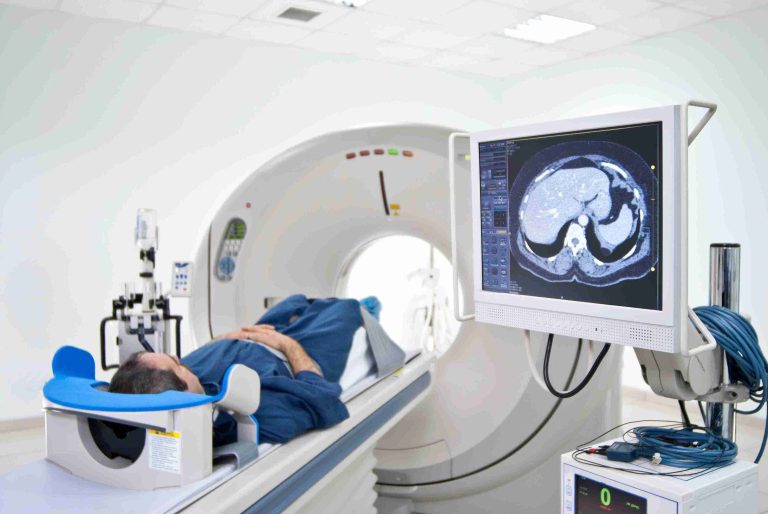
In some cases, imaging such as ultrasound or CT scans may be necessary, particularly when pain suggests involvement of organs like the gallbladder, pancreas, or liver.
These diagnostic tools not only confirm or rule out serious conditions but also help guide targeted treatment plans—whether that involves medication, lifestyle adjustments, or surgical intervention.
Managing Gastric Pain and Promoting Digestive Health
For non-serious causes of gastric pain, lifestyle changes can make a significant difference. Eating smaller, more frequent meals, avoiding spicy and greasy foods, quitting smoking, limiting alcohol, and managing stress can all help.
Proton pump inhibitors (PPIs), antacids, and antibiotics (if H. pylori is present) may be part of a treatment plan for conditions like ulcers or gastritis. Regular follow-ups ensure that symptoms are improving and prevent complications from developing silently.
Staying informed and proactive about your health empowers you to make better decisions and ensures that minor symptoms don’t become major problems.
Conclusion
While gastric pain is often harmless and short-lived, it’s not something to take lightly when it persists, worsens, or comes with other warning signs. Conditions like ulcers, gastritis, or even stomach cancer can begin with symptoms that are easy to dismiss.
Knowing when to take gastric pain seriously and seeking timely medical advice can make all the difference. If you’re unsure about what your symptoms mean, consult your healthcare provider. Trust your instincts—your body is good at telling you when something isn’t right.