Key Takeaways
- Gastroscopy is the gold standard for diagnosing upper gastrointestinal (GI) conditions, allowing direct visualization and biopsy when needed.
- Non-invasive tests offer comfort, convenience, and lower procedural risk but cannot provide immediate therapeutic intervention.
- Choice of diagnostic method depends on patient symptoms, risk factors, and the need for definitive diagnosis.
- Early evaluation using the most appropriate method improves outcomes and prevents complications in upper GI disorders.
Gastroscopy vs Non-Invasive Tests: Which Diagnostic Method Is More Effective?
Gastroscopy is more effective than non-invasive tests for diagnosing upper GI conditions because it allows direct visualization, biopsy, and immediate treatment if abnormalities are found, whereas non-invasive tests are primarily screening or supportive tools.
Understanding Gastroscopy
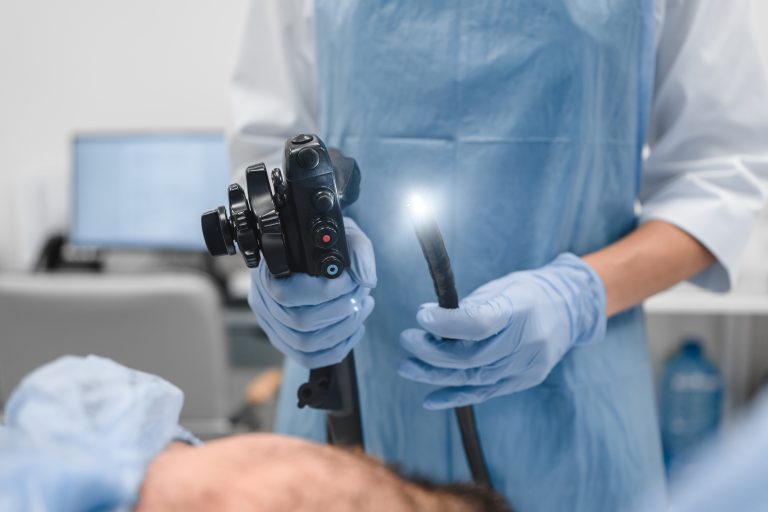
Gastroscopy is a diagnostic procedure in which a flexible endoscope with a camera is inserted through the mouth to examine the esophagus, stomach, and duodenum. It provides direct visualization of the mucosal lining and allows physicians to identify inflammation, ulcers, bleeding, tumors, and other abnormalities.
The procedure also allows for biopsy, polyp removal, or treatment of bleeding lesions in real-time. These capabilities make gastroscopy the most definitive tool for assessing upper gastrointestinal symptoms.
Common Non-Invasive Tests
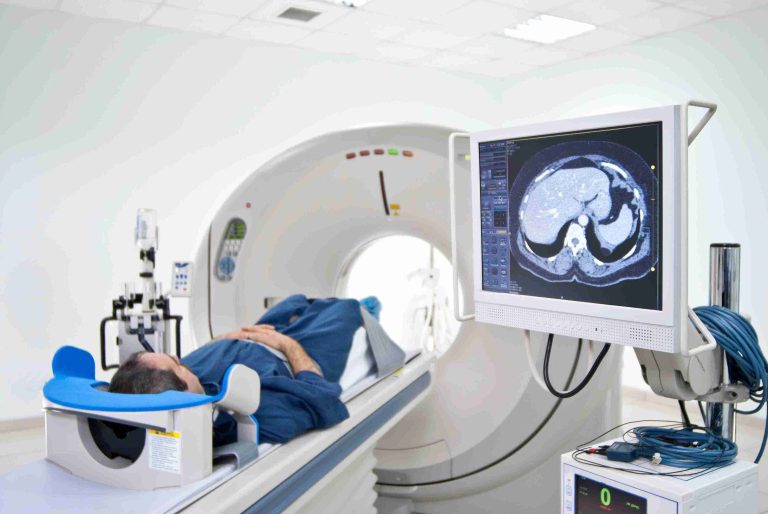
Non-invasive tests include blood tests, breath tests, stool tests, and imaging studies such as abdominal ultrasound, CT scans, or MRI. For detecting Helicobacter pylori infection, breath or stool antigen tests are commonly used.
These tests are generally easier for patients, do not require sedation, and carry minimal procedural risk. They are particularly useful for initial screening or in patients who are unable or unwilling to undergo gastroscopy.
Accuracy and Diagnostic Capability
One of the main advantages of gastroscopy is its high accuracy. It can detect subtle mucosal changes, small ulcers, early-stage cancers, and other conditions that non-invasive tests may miss.
Non-invasive tests are limited in their diagnostic scope. While they can indicate the presence of infection, inflammation, or structural abnormalities, they cannot pinpoint lesions, obtain tissue samples, or provide immediate therapeutic intervention.
Procedure and Patient Experience
Gastroscopy usually requires mild sedation to ensure patient comfort and reduce anxiety during the procedure. Patients may feel slight throat discomfort or bloating, but the procedure is typically safe and well-tolerated. Recovery from sedation allows patients to resume normal activities within hours.
Non-invasive tests, by contrast, are quick, painless, and do not require sedation. They are convenient for patients with mobility issues, comorbidities, or anxiety about invasive procedures. However, the trade-off is that these tests cannot replace the thorough evaluation provided by gastroscopy.
Safety and Risk Considerations
Gastroscopy is generally safe but carries small risks such as bleeding, infection, or, rarely, perforation. The use of sedation introduces minimal cardiopulmonary risk, which is carefully monitored during the procedure.
Non-invasive tests are virtually risk-free, making them suitable for patients who are medically fragile or at higher risk from anesthesia. However, relying solely on these tests may delay the diagnosis of serious upper GI diseases.
Indications for Gastroscopy
Physicians often recommend gastroscopy for patients presenting with red-flag symptoms such as:
- Persistent upper abdominal pain
- Unexplained weight loss
- Recurrent vomiting or nausea
- Gastrointestinal bleeding (vomiting blood or black stools)
- Difficulty swallowing or chronic reflux
In these scenarios, non-invasive tests may provide initial information, but definitive evaluation and treatment require gastroscopy.
Advantages of Non-Invasive Tests
Non-invasive tests offer several benefits. They are:
- Comfortable and easy to perform
- Safe for elderly or high-risk patients
- Useful for monitoring known conditions such as H. pylori infection or gastritis
- Effective for initial screening or follow-up
While non-invasive tests cannot replace gastroscopy, they help guide clinical decision-making and determine which patients require endoscopic evaluation.
Limitations of Non-Invasive Tests
Non-invasive tests have inherent limitations. They may yield false-negative or false-positive results, fail to detect structural abnormalities, and cannot provide therapeutic intervention. Patients with persistent symptoms or positive findings on non-invasive tests are usually referred for gastroscopy to confirm the diagnosis and receive appropriate treatment.
Cost and Accessibility
Cost considerations vary by region and healthcare system. Gastroscopy tends to be more expensive due to the need for specialized equipment, trained staff, and sedation monitoring.
Non-invasive tests are generally more affordable and widely available. However, the potential need for follow-up gastroscopy may increase overall cost if abnormalities are detected, emphasizing the importance of appropriate initial test selection.
Frequency and Follow-Up
The frequency of gastroscopy depends on patient risk factors, symptoms, and findings. Individuals with chronic gastritis, Barrett’s esophagus, or history of ulcers may require periodic surveillance to monitor disease progression.
Non-invasive tests are often repeated at intervals to monitor treatment response, infection clearance, or symptom changes. However, they do not replace the need for endoscopic evaluation in high-risk or symptomatic patients.
Decision-Making in Clinical Practice
Choosing between gastroscopy and non-invasive tests should be individualized. Physicians consider:
- Patient age, health, and comorbidities
- Symptom severity and duration
- Likelihood of detecting clinically significant disease
- Patient preference and comfort
- Availability of equipment and trained personnel
Shared decision-making ensures patients receive the most appropriate evaluation, balancing diagnostic accuracy with safety and comfort.
Conclusion
Both gastroscopy and non-invasive tests have important roles in assessing upper gastrointestinal health. Non-invasive tests provide safe, convenient initial evaluation, but gastroscopy remains the gold standard for diagnosis and treatment.
Early and accurate evaluation is essential for identifying ulcers, gastritis, bleeding lesions, and early-stage cancers. By understanding the advantages and limitations of each method, patients and clinicians can make informed decisions, ensuring timely intervention and optimal outcomes.
Gastroscopy offers unmatched diagnostic and therapeutic capability, making it essential for patients with significant or persistent symptoms, while non-invasive tests remain valuable for screening, monitoring, and guiding clinical decision-making.