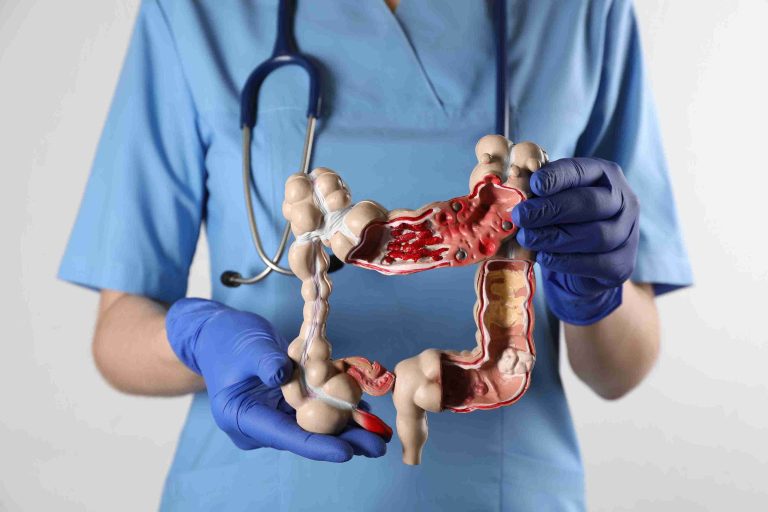
Colon cancer is one of the most common cancers worldwide, but its symptoms can be surprisingly subtle and inconsistent. Many people believe that colon cancer symptoms always worsen steadily over time, but this is not always the case. For some individuals, symptoms may remain mild or intermittent for months, while others experience sudden, severe changes. Understanding how symptoms present and progress is essential for early detection and timely medical care.
How Colon Cancer Develops
Colon cancer typically begins as small, benign growths called polyps in the lining of the colon or rectum. Over several years, some of these polyps can turn into cancer. This slow progression is one reason why routine screening is so effective—it can detect and remove polyps before they become malignant.
Once cancer develops, it can invade deeper layers of the colon wall and eventually spread to nearby lymph nodes or distant organs. The symptoms that appear depend on the tumor’s size, location, and stage. Early-stage cancer may cause no noticeable symptoms at all, while more advanced cancer is more likely to produce warning signs.
Common Colon Cancer Symptoms
Colon cancer symptoms vary widely, but some of the most common include changes in bowel habits, such as persistent diarrhea, constipation, or narrower stools. Blood in the stool, which may appear bright red or dark and tar-like, is another key symptom.
Other signs include unexplained weight loss, fatigue, abdominal pain or cramping, and a feeling that the bowel is not completely empty after a movement. Some people experience iron-deficiency anemia due to slow, hidden bleeding in the colon, leading to weakness or shortness of breath.
However, it is important to note that these symptoms can also be caused by less serious conditions like hemorrhoids, infections, or irritable bowel syndrome. This overlap can make it challenging to recognize colon cancer symptoms early without medical evaluation.
Are Symptoms Always Progressive?
Contrary to popular belief, colon cancer symptoms are not always progressive in a clear, linear way. In the early stages, symptoms may come and go, leading some individuals to dismiss them as temporary digestive issues. For example, minor changes in bowel habits might resolve for a time before returning later.
Some tumors grow very slowly, causing only mild discomfort for months or even years. In other cases, symptoms appear suddenly and escalate rapidly if the tumor causes a blockage or significant bleeding. Tumors located on the right side of the colon often bleed slowly and cause vague symptoms like fatigue, while left-sided tumors may lead to more obvious changes like narrowed stools or visible blood.
This unpredictable nature means that waiting for symptoms to become “severe enough” before seeking care can be dangerous. Early cancer may not feel progressive, but it can still be advancing internally.
The Silent Nature of Early-Stage Cancer
One of the biggest challenges with colon cancer is that early-stage disease is often silent. Many people feel completely healthy and only discover they have cancer through routine screening, such as colonoscopy. By the time noticeable colon cancer symptoms appear, the disease may already be at a more advanced stage.
This is why regular screening is recommended even for people who have no symptoms, especially after age 45 or earlier for those with a family history. Detecting cancer before symptoms develop greatly improves treatment success and survival rates.
Factors That Affect Symptom Progression
The progression of colon cancer symptoms can vary depending on several factors. Tumor location plays a major role. Cancers in the right colon often cause fewer early symptoms because the stool is still liquid in this part of the colon, making blockages less likely. These tumors may grow larger before causing noticeable problems.
In contrast, left-sided colon cancers are more likely to cause obstructive symptoms, such as constipation or pencil-thin stools, because the stool is more solid in this area. Tumor biology also matters—some cancers grow more aggressively, leading to faster symptom progression, while others remain indolent for longer periods.
An individual’s overall health, immune response, and any pre-existing digestive conditions can also influence how symptoms are experienced. People with conditions like irritable bowel syndrome may dismiss warning signs, thinking they are related to their existing problem.
Why You Shouldn’t Ignore Mild or Intermittent Symptoms
Because symptoms of colon cancer can be subtle, mild, or intermittent, they are often overlooked or attributed to diet, stress, or aging. However, even minor symptoms that persist for several weeks should be evaluated by a healthcare provider.
For example, occasional blood in the stool might be dismissed as hemorrhoids, but it can also be an early sign of cancer. Similarly, gradual fatigue and anemia may seem unrelated to the digestive tract, yet they can signal slow bleeding from a tumor.
The key is to pay attention to any changes that are new, persistent, or unexplained. Even if the symptoms are not progressively worsening, they still warrant medical attention to rule out serious conditions.
The Importance of Screening and Early Detection
Because colon cancer can develop silently, screening remains the most effective way to detect it early, before symptoms appear or become severe. Colonoscopy is the gold standard for screening because it can both detect and remove precancerous polyps. Other tests, such as stool-based screenings, can also help identify early disease.
For people with average risk, screening is typically recommended starting at age 45. Those with a family history or genetic predisposition should begin earlier and may need more frequent testing.
Regular screening saves lives by catching cancer when it is still localized and highly treatable. Waiting for progressive symptoms is risky and often leads to later-stage diagnoses that require more aggressive treatment.
Managing Symptoms and Treatment
If colon cancer is diagnosed, treatment options depend on the stage and location of the disease. Early-stage cancer can often be treated successfully with surgery alone, while more advanced cases may require chemotherapy, radiation, or targeted therapies.
Managing signs of colon cancer during treatment is an important part of care. Doctors may provide medications to ease pain, improve bowel function, or address side effects like fatigue and nausea. With early detection, many patients can avoid severe symptoms altogether and maintain a good quality of life.
Conclusion
Colon cancer warning signs are not always progressive in a predictable way. They may be mild, intermittent, or even absent in the early stages, making it difficult to rely on symptoms alone for detection. Some tumors cause slow, subtle changes, while others lead to sudden and severe problems.
Because of this unpredictability, regular screening and paying attention to even minor changes in bowel habits or health are essential. Don’t wait for colorectal cancer symptoms to worsen before seeking medical care. Early detection through screening remains the most effective way to prevent and treat colon cancer successfully.