Travel is one of life’s greatest pleasures—whether it’s exploring a new city, enjoying different cuisines, or simply taking time to unwind. But for many people, travel can come with an unwelcome companion: gastric pain. From unfamiliar foods and disrupted routines to changes in altitude and hydration levels, travel puts your digestive system to the test.
Fortunately, with some thoughtful planning and preventive strategies, you can reduce your risk of digestive discomfort and make the most of your journey. Here’s how to prevent gastric pain while travelling so your adventures aren’t sidelined by stomach woes.
Understand What Causes Gastric Pain During Travel
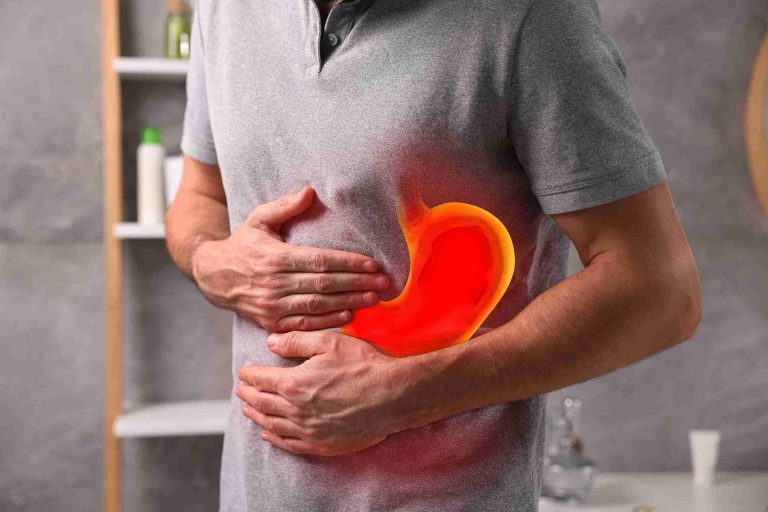
Gastric pain, often described as a burning or cramping sensation in the upper abdomen, can arise from several factors when you’re on the move.
Common Triggers
During travel, you’re likely to eat foods that are richer, spicier, or more unfamiliar than usual. Combined with irregular meal times, this can irritate your stomach lining and lead to pain or bloating. Long flights or road trips may also cause inactivity, which slows digestion.
Changes in routine, time zones, and stress levels can further impact how your stomach behaves, sometimes increasing stomach acid production or causing indigestion. For individuals with underlying issues like gastritis, acid reflux, or peptic ulcers, these triggers can quickly escalate symptoms.
Eat Smart: Prioritise Digestive-Friendly Meals
One of the best ways to avoid gastric pain is to be selective and balanced with your food choices while travelling.
Avoid Overeating
When presented with a buffet or multiple-course meals, it’s tempting to overindulge. However, large meals place stress on your digestive system. Try to eat smaller, more frequent meals throughout the day rather than heavy portions all at once.
Be Cautious with Street Food
While trying local food is part of the travel experience, be cautious with street vendors—especially in areas with lower hygiene standards. Look for stalls with high turnover and locals lining up, which usually indicates freshness and safety.
Limit Acidic and Spicy Foods
If you’re prone to gastric issues, avoid heavily spiced, deep-fried, or acidic foods like citrus fruits, tomato-based dishes, and coffee. Choose blander alternatives like grilled proteins, steamed vegetables, and non-caffeinated drinks when in doubt.
Stay Hydrated but Avoid Certain Beverages
Hydration plays a key role in digestion, particularly when flying or visiting hot climates. Dehydration can cause constipation and worsen indigestion.
Drink Water Consistently
Aim to drink at least 8 glasses of water a day, especially if you’re flying, walking a lot, or eating salty foods. Always carry a water bottle with you and take small sips throughout the day.
Limit Alcohol and Caffeinated Drinks
Alcohol can irritate the stomach lining and relax the lower oesophageal sphincter, worsening acid reflux. Caffeinated drinks can have a similar effect and may dehydrate you. If you do indulge, do so in moderation and accompany these beverages with food.
Keep a Regular Eating Schedule
Time zone changes and packed itineraries often lead to skipped meals or late-night eating. Unfortunately, this erratic eating pattern can confuse your digestive system.
Plan Ahead
Pack easy-to-carry snacks like plain crackers, nuts, or fruit to avoid long periods without food. Try to stick to your usual meal times, even if the portions are smaller than normal.
Avoid Late-Night Meals
Eating large meals just before bed can increase the risk of gastric reflux and gastric cramps. If you’re hungry late at night, choose light, non-acidic foods like a banana or a piece of toast.
Move Your Body, Even During Transit
Long flights and car rides reduce physical activity, slowing down digestion and increasing bloating or gas buildup.
Stretch and Walk Regularly
During long flights, try to get up every 1–2 hours to stretch or walk around the cabin. If you’re on a road trip, take rest breaks to move around. Gentle movement aids digestion and prevents cramping.
Incorporate Light Exercise
When possible, start your day with light stretches or a short walk. This helps kickstart your metabolism and supports healthy digestion throughout the day.
Manage Stress and Anxiety
Travel, though exciting, can be stressful—especially when dealing with tight schedules, unfamiliar surroundings, or delays. Stress is a major trigger for digestive problems.
Practice Mindfulness
Simple breathing exercises, meditation apps, or journaling can help you stay calm and centred. Reducing stress can minimise stomach acid production and prevent gastric discomfort.
Sleep Well
Jet lag and disrupted sleep affect your body’s digestive rhythm. Try to get adequate sleep before and during your trip. If you’re adjusting to a new time zone, gradually shift your sleep and meal times to ease the transition.
Carry Medications and Probiotics
If you’re prone to gastric pain or have a diagnosed condition, preparation is key.
Bring Along Your Prescriptions
Make sure to pack any regular medications, including antacids, acid reducers, or pain relief approved by your doctor. Keep them in your carry-on for easy access.
Consider Probiotics
Probiotics can help balance gut bacteria and improve digestion, especially if you’re trying new foods. Start taking a probiotic supplement a few days before your trip and continue while travelling to support gut health.
Know When to Seek Medical Help
While most travel-related stomach discomfort is minor, severe or persistent symptoms may require medical attention.
Watch for Warning Signs
Seek help if you experience:
- Severe or continuous gastric pain
- Vomiting with blood
- Black or tarry stools
- High fever with abdominal pain
- Sudden weight loss
Don’t hesitate to visit a local clinic or hospital, especially if symptoms worsen quickly or you’re in a high-risk group for gastrointestinal complications.
Conclusion
Travelling doesn’t have to mean sacrificing your digestive health. By understanding your triggers and taking proactive steps, you can prevent gastric pain and fully enjoy your trip. Listen to your body, stay mindful of what you consume, and don’t ignore the early signs of discomfort. With a little planning and a lot of care, you can keep your gut happy and make memories that are worth more than any souvenir.