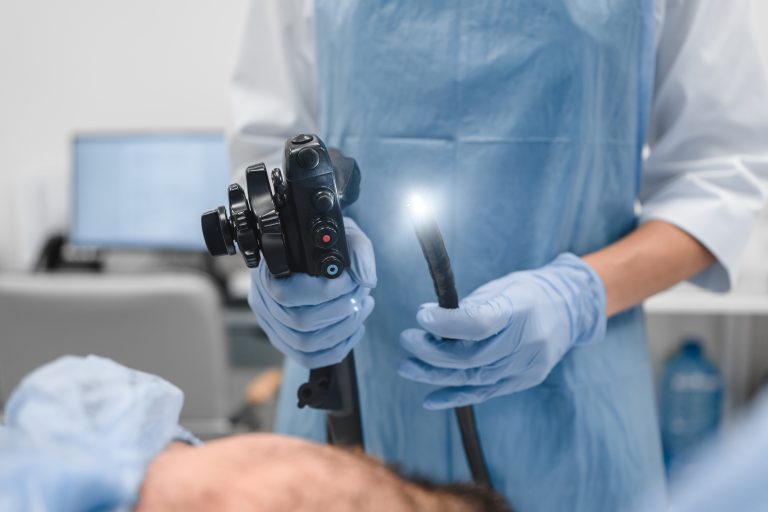
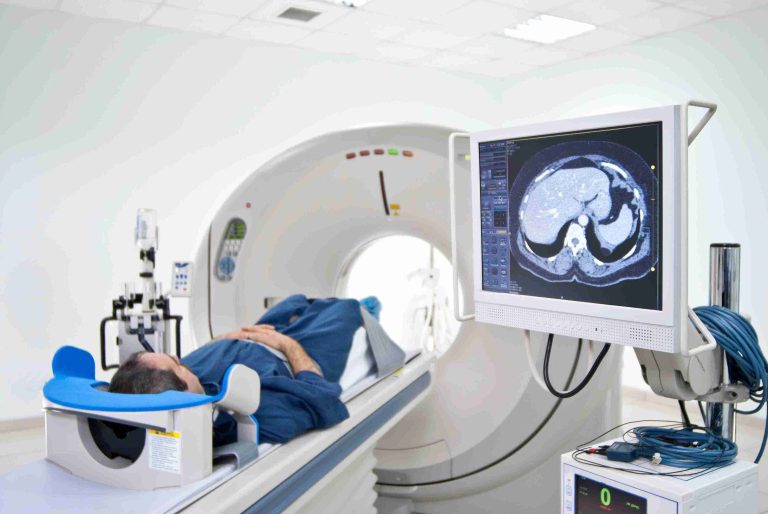
Endoscopy is a valuable diagnostic tool used to examine the digestive tract and other internal organs. It helps doctors detect a variety of conditions such as ulcers, cancer, and gastrointestinal disorders. However, one common question that arises is why endoscopy costs can vary significantly between clinics.
In Singapore, for example, the endoscopy cost in Singapore can range widely depending on various factors. In this article, we will explore the reasons behind these cost variations and provide a clearer understanding of what affects endoscopy pricing.
The Type of Endoscopy Procedure
One of the most significant factors influencing the endoscopy cost in Singapore is the type of procedure being performed. There are several different types of endoscopy procedures, each serving a different purpose, and the costs associated with each can vary accordingly. Some of the most common endoscopies include:
- Gastroscopy: Also known as an upper gastrointestinal (GI) endoscopy, this procedure is used to examine the esophagus, stomach, and the upper part of the small intestine.
- Colonoscopy: This procedure focuses on the colon and rectum, used primarily to screen for colorectal cancer or investigate other gastrointestinal issues.
- Sigmoidoscopy: A less extensive procedure than a colonoscopy, it only examines the sigmoid colon and rectum.
Each of these procedures requires different equipment, expertise, and sometimes preparation, which can influence the final price. Generally, a gastroscopy or colonoscopy tends to be more expensive than a sigmoidoscopy due to the complexity and scope of the procedure.
Clinic Location and Overheads
Another key factor in the variation of endoscopy costs is the location of the clinic. In general, healthcare services in central or high-demand areas such as Singapore’s business districts tend to be more expensive. Clinics located in these areas may have higher operational costs due to rent, utilities, and staff salaries. As a result, these costs are often passed on to the patients.
On the other hand, clinics located in more suburban or less busy areas may have lower overhead costs and can offer more affordable pricing. While the quality of the procedure remains consistent, the surrounding factors such as clinic location can play a significant role in the pricing structure.
The Experience and Reputation of the Clinic
The experience and reputation of the clinic performing the endoscopy can also contribute to differences in cost. Well-established clinics with a strong reputation for high-quality care and advanced technology may charge higher fees compared to newer or less established facilities.
This is often due to the clinic’s investments in top-of-the-line equipment, highly trained medical professionals, and a commitment to patient safety and comfort.
For patients who opt for a clinic with a renowned reputation or a specialist who is highly experienced, the added cost might be justified by the perceived quality of care. On the other hand, less experienced clinics or those with fewer resources may offer more competitive pricing, though it’s essential to consider the qualifications and experience of the medical professionals as well.
The Type of Equipment and Technology Used
The type of equipment and technology used in endoscopic procedures can have a significant impact on the cost. Modern endoscopes with advanced imaging capabilities, such as high-definition cameras and specialized tools for therapeutic interventions, tend to be more expensive.
Clinics that use state-of-the-art equipment may charge higher fees to cover the cost of maintaining and upgrading these machines.
For example, advanced imaging technologies used in some types of endoscopies can provide more detailed images, allowing for a more accurate diagnosis. However, this higher level of technology typically comes at a higher cost. Conversely, clinics that use older or less advanced equipment might offer a more affordable option but may not provide the same level of diagnostic precision.
Anesthesia and Sedation Options
Another factor that can influence the endoscopy cost in Singapore is the use of anesthesia or sedation during the procedure. While some patients can tolerate endoscopy procedures without sedation, others may require local anesthesia or even general sedation for comfort, especially during more invasive procedures like colonoscopies.
The cost of anesthesia or sedation services adds to the overall price of the procedure. Clinics that offer more advanced sedation techniques, such as deep sedation or general anesthesia, often charge higher fees for these services. The type of sedation chosen depends on the patient’s preference, the complexity of the procedure, and the doctor’s recommendation.
Consultation Fees and Pre-Procedure Assessments
The cost of an endoscopy doesn’t just cover the procedure itself—it also includes pre-procedure consultations, assessments, and follow-up care. The consultation before an endoscopy is an important step in assessing the patient’s medical history, symptoms, and suitability for the procedure. Depending on the clinic, this initial consultation may come with an additional fee, which can affect the overall cost.
Additionally, some clinics may require patients to undergo certain pre-procedure tests, such as blood work or imaging studies, to ensure they are ready for the procedure. These tests, while essential for patient safety, add to the overall cost of the endoscopy. As a result, patients may find that clinics that provide comprehensive pre-procedure evaluations may have higher total costs, even if the endoscopy procedure itself is reasonably priced.
Insurance and Subsidies
Insurance coverage and available subsidies also play a significant role in the final cost of an endoscopy. In Singapore, certain health insurance plans may cover the full or partial cost of an endoscopy, depending on the policy details.
Clinics may offer different payment plans or accept a wider range of insurance providers, which can impact the out-of-pocket expense for the patient.
Additionally, government subsidies or health programs like the Screen for Life initiative can reduce the cost of endoscopy procedures, particularly for eligible individuals. Patients who are covered under these schemes may pay significantly less than those without coverage or subsidies.
Aftercare and Follow-Up Services
Post-procedure care and follow-up consultations are another factor influencing the cost of endoscopy. Some clinics offer comprehensive aftercare, including advice on diet, lifestyle modifications, and monitoring for any complications. Follow-up consultations to discuss biopsy results or address any concerns can add to the overall cost of the procedure.
Clinics that provide detailed aftercare and follow-up services may charge more due to the additional time and resources dedicated to patient recovery and monitoring. However, this added service can offer peace of mind, as it ensures patients receive the support they need after undergoing the procedure.
Conclusion
The endoscopy cost in Singapore can vary widely between clinics due to a variety of factors. From the type of procedure and equipment used to the location of the clinic, the experience of the healthcare professionals, and the level of aftercare provided, there are many elements that contribute to the final price. While higher costs may be associated with advanced technology, expert medical care, and specialized services, more affordable options may be available for those willing to explore different clinics and consider their options.