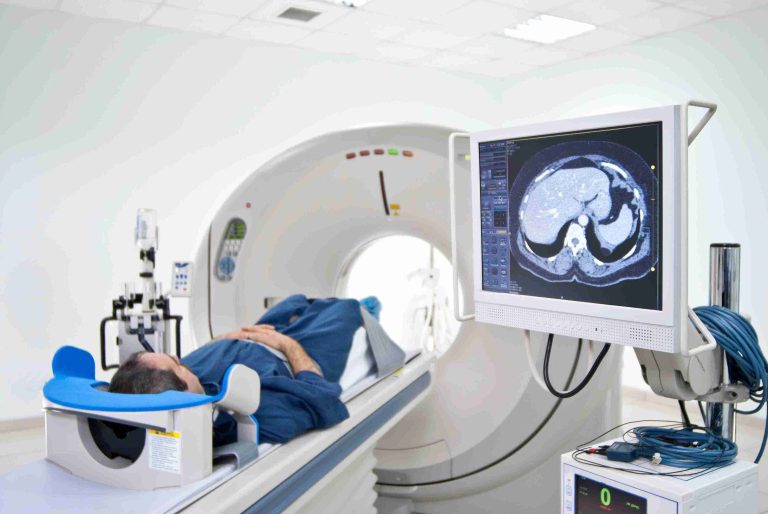
Colonoscopy is a critical procedure for detecting and preventing colorectal cancer and other gastrointestinal conditions. While its medical benefits are well-established, many individuals experience significant psychological effects before, during, and after the procedure. Anxiety, fear, embarrassment, and even post-procedure stress can impact a patient’s overall experience. Understanding these psychological challenges and learning ways to cope with them can help patients approach colonoscopy with confidence and minimal distress.
Pre-Colonoscopy Anxiety
One of the most common psychological challenges associated with colonoscopy is pre-procedure anxiety. Many individuals experience fear and apprehension due to uncertainty about the process, concerns about discomfort, or fear of receiving bad news.
The preparation process, which involves dietary restrictions and bowel cleansing, can add to the stress, making patients feel uncomfortable and anxious.
Some people also feel embarrassed about the nature of the procedure, as it involves a highly sensitive area of the body. The fear of pain, even though sedation is typically used, can further contribute to psychological distress.
Fear of the Results
Another major source of anxiety is the fear of receiving unfavorable results. The possibility of detecting polyps, abnormal growths, or even cancer can be overwhelming. Some individuals avoid scheduling a colonoscopy altogether because they are afraid of discovering a serious health issue. This fear can be particularly strong in individuals with a family history of colorectal cancer. However, delaying or avoiding a necessary colonoscopy can increase health risks in the long run.
Embarrassment and Social Stigma
Despite the importance of colonoscopy in preventive healthcare, social stigma and embarrassment can prevent individuals from discussing it openly or seeking medical advice. Some people feel self-conscious about the procedure due to its invasive nature, and others may be uncomfortable discussing gastrointestinal health with friends, family, or even doctors. Cultural factors and societal norms can also contribute to this reluctance, reinforcing the idea that colonoscopies are embarrassing rather than essential medical procedures.
Coping Strategies for Pre-Colonoscopy Anxiety
Managing pre-procedure anxiety is essential for improving the overall experience. One of the best ways to reduce fear is through education. Understanding what happens during a colonoscopy, why it is necessary, and how medical professionals prioritize patient comfort can alleviate some concerns.
Speaking with a doctor or nurse about any worries can provide reassurance and clarify misconceptions. Practicing relaxation techniques such as deep breathing, meditation, and mindfulness can also help ease anxiety. Some patients find it helpful to bring a trusted friend or family member for support. Additionally, following all preparation guidelines correctly can create a sense of control and reduce last-minute stress.
The Experience During the Procedure
During the procedure, most patients are given sedation, which significantly reduces discomfort and anxiety. However, some individuals remain mildly aware of their surroundings, which can be unsettling for those with pre-existing fears. The clinical environment, presence of medical staff, and the unfamiliarity of the procedure can contribute to heightened stress.
Fortunately, medical teams are trained to provide reassurance and ensure patients feel as comfortable as possible. Understanding that sedation will make the process more manageable can help individuals feel less apprehensive before the procedure begins.
Post-Colonoscopy Emotional Responses
After the colonoscopy, patients may experience a range of emotions, depending on their experience and results. Those who receive a clean bill of health often feel relief and peace of mind, knowing they have taken a proactive step in their healthcare. However, if polyps or other abnormalities are found, feelings of anxiety and worry may persist.
Waiting for biopsy results can be a particularly stressful period, and individuals may experience heightened concern about potential health issues. The uncertainty of the future and the possibility of further medical intervention can take an emotional toll.
Dealing with Post-Procedure Stress
To cope with post-procedure stress, patients should focus on the positive aspect of early detection and prevention. A colonoscopy provides valuable information about one’s health, and identifying issues early often leads to better outcomes.
Engaging in self-care, such as eating a healthy meal, getting rest, and engaging in light activities, can help shift the focus away from worry. If results are concerning, seeking support from family, friends, or healthcare professionals can help manage emotions. Mental health professionals can also provide guidance for those struggling with ongoing anxiety about their health.
Overcoming Barriers to Colonoscopy
Many people delay or avoid colonoscopy due to psychological barriers, but addressing these concerns can encourage more individuals to undergo the procedure. Normalizing discussions about colon health and colonoscopies can help reduce embarrassment and stigma.
Healthcare providers can play a crucial role by using empathetic communication and providing patients with clear, reassuring information. Support groups, online forums, and patient testimonials can also offer encouragement and help individuals feel less alone in their concerns.
Encouraging a Positive Mindset
A positive mindset can make the colonoscopy experience more manageable. Instead of focusing on fears, individuals can remind themselves of the benefits of the procedure, such as the ability to detect and prevent serious conditions. Viewing the colonoscopy as an investment in long-term health can help reframe negative thoughts.
Celebrating the completion of the procedure—whether through a small reward, a relaxing activity, or simply acknowledging one’s courage—can reinforce the importance of prioritizing health.
The Role of Support Systems
Support systems, including family, friends, and medical professionals, play a significant role in helping individuals navigate the emotional aspects of colonoscopy. Open conversations with loved ones can provide reassurance and encouragement. Medical professionals can support patients by answering questions, addressing concerns, and ensuring they feel comfortable before and after the procedure.
Employers and workplaces can also contribute by promoting preventive healthcare and providing employees with the flexibility to undergo necessary screenings without fear of stigma or job-related consequences.
Addressing Anxiety in High-Risk Individuals
Individuals with a high risk of colorectal cancer, such as those with a family history or previous abnormal screenings, may experience heightened anxiety about colonoscopies. The anticipation of repeated screenings can be emotionally exhausting.
For these individuals, regular communication with a healthcare provider and mental health support can be beneficial. Setting reminders for check-ups, focusing on the advantages of early detection, and maintaining a proactive approach to health can help ease anxiety over time.
The Future of Colonoscopy and Patient Comfort
Medical advancements are continually improving the colonoscopy experience, making it less intimidating and more patient-friendly. Innovations such as less invasive screening methods, improved sedation techniques, and enhanced patient education can help reduce psychological distress.
Virtual consultations and digital health platforms also allow patients to access information, connect with healthcare providers, and receive pre- and post-procedure support more conveniently.
Conclusion
The psychological impact of colonoscopy is a significant factor that influences individuals’ willingness to undergo this crucial screening. Anxiety, fear of results, embarrassment, and post-procedure stress are common concerns, but they can be managed with education, relaxation techniques, support systems, and a positive mindset.
Recognizing the importance of colonoscopy in maintaining long-term health and overcoming psychological barriers can help more individuals approach the procedure with confidence. By addressing emotional challenges and promoting open discussions about colon health, we can ensure that more people receive the screenings they need for early detection and prevention.