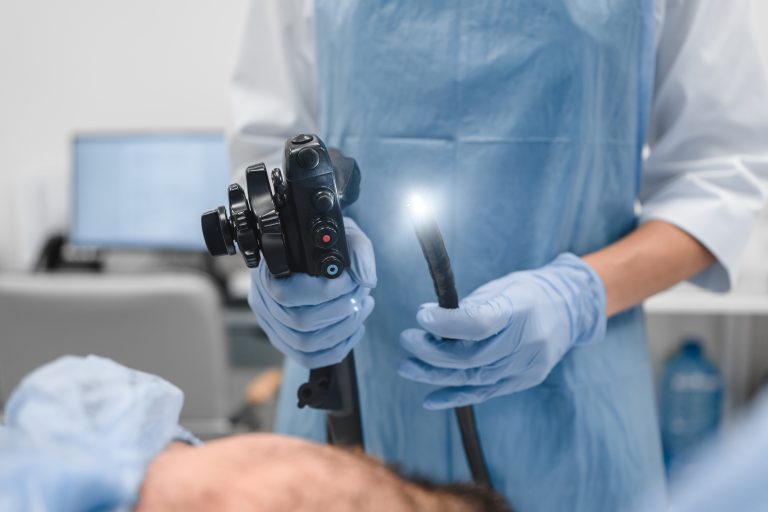
Endoscopy is a widely used diagnostic and therapeutic procedure that allows doctors to examine internal organs, primarily within the gastrointestinal (GI) tract, using a flexible tube equipped with a camera and light. It is commonly performed to diagnose conditions affecting the esophagus, stomach, and intestines, such as ulcers, inflammation, polyps, and tumors.
In some cases, it is also used for minimally invasive treatments, including polyp removal and biopsies. Given its effectiveness, many patients wonder whether the benefits of endoscopy justify its cost.
What Influences the Cost of an Endoscopy?
Several factors determine the endoscopy cost, including the type of procedure, the healthcare facility, geographical location, and whether sedation or biopsies are required.
- Type of Endoscopy: The cost varies depending on whether the procedure is a gastroscopy (upper endoscopy), colonoscopy, or more specialized forms such as capsule endoscopy or endoscopic ultrasound.
- Healthcare Setting: Undergoing an endoscopy in a public hospital may be less expensive than in a private clinic. However, private facilities often provide faster access to the procedure and personalized care.
- Use of Sedation: Some patients require moderate to deep sedation for comfort, which adds to the overall cost.
- Additional Tests: If a biopsy is taken or other diagnostic tests are performed during the procedure, it can increase the total expense.
- Insurance Coverage: Many insurance plans cover part or all of the procedure cost, but coverage varies depending on the reason for the endoscopy and the patient’s policy.
Comparing the Cost of Endoscopy to Alternative Diagnostic Methods
When evaluating the cost-effectiveness of an endoscopy, it is essential to compare it to alternative diagnostic methods. Other options for detecting gastrointestinal conditions include:
- Barium X-rays: This imaging test requires the patient to ingest a contrast material before undergoing X-rays of the digestive tract. While it can help identify ulcers or tumors, it does not provide the same level of detail as an endoscopy.
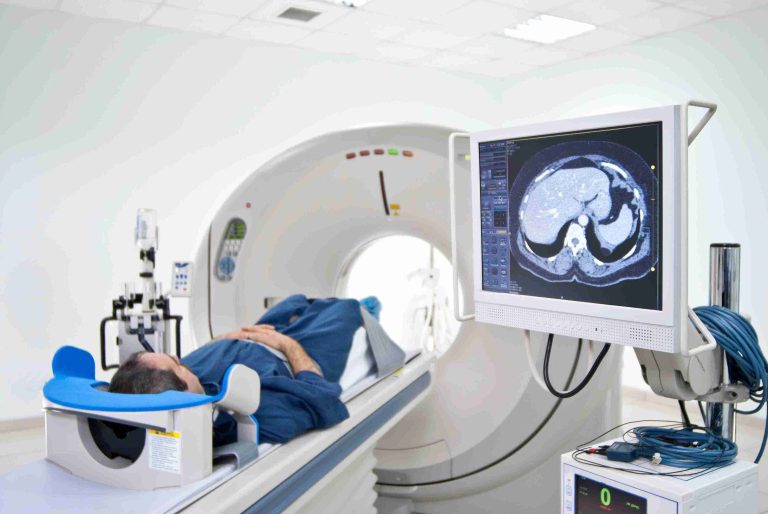
- CT Scans or MRI: Advanced imaging techniques such as CT scans or MRI may be used to assess GI abnormalities. However, they are often more expensive and may not be as effective for detecting subtle mucosal changes.
- Stool Tests and Blood Tests: These tests can help detect infections, inflammation, and some signs of GI bleeding, but they do not provide direct visualization of the digestive tract.
Compared to these alternatives, an endoscopy offers direct visualization, biopsy capabilities, and even therapeutic interventions in a single procedure, making it a more cost-effective choice for many patients.
The Financial Burden of Delayed Diagnosis
One of the key reasons why an endoscopy is considered cost-effective is that it facilitates early diagnosis and treatment of GI conditions. Delaying diagnosis can lead to worsening symptoms, the need for more complex interventions, and higher medical costs in the long run.
For example, detecting early-stage gastric cancer through an endoscopy allows for minimally invasive treatments, significantly reducing the financial and physical burden of advanced cancer treatment. Similarly, diagnosing Helicobacter pylori infections early can prevent complications like peptic ulcers, which may require costly surgical intervention if left untreated.
Endoscopy in Preventive Healthcare
Preventive healthcare is a crucial factor in assessing the value of an endoscopy. Colonoscopies, a type of endoscopic procedure, are widely recommended for colorectal cancer screening. By detecting and removing precancerous polyps before they develop into cancer, colonoscopy screening helps reduce cancer-related healthcare costs and improves patient outcomes.
For individuals with a family history of gastrointestinal diseases or chronic digestive symptoms, undergoing periodic endoscopic evaluations may prevent severe complications and reduce overall treatment expenses.
Public vs. Private Healthcare: Cost Differences
The endoscopy cost varies significantly between public and private healthcare providers. In many public hospitals, the procedure is subsidized, making it a more affordable option for patients. However, longer waiting times for appointments and limited availability of specialized procedures may be a downside.
In contrast, private clinics and hospitals offer quicker access to endoscopy services, personalized care, and a more comfortable patient experience. However, the out-of-pocket expense is typically higher. Patients need to weigh these factors when choosing between public and private healthcare options.
Insurance and Financial Assistance Options
Many patients rely on insurance coverage to reduce their out-of-pocket expenses for endoscopy procedures. Most insurance providers cover endoscopies when deemed medically necessary, such as for diagnosing gastrointestinal symptoms or cancer screening. However, coverage for routine screenings or elective procedures may vary.
For those without insurance, financial assistance programs, payment plans, or government-subsidized healthcare schemes may help manage the cost of an endoscopy. Patients should consult their healthcare providers and insurance representatives to understand their coverage options.
Are There Ways to Reduce Endoscopy Costs?
Patients concerned about endoscopy costs can take several steps to manage expenses effectively:
- Check Insurance Coverage: Confirm whether the procedure is covered and what portion of the cost will be reimbursed.
- Compare Facility Costs: Prices for endoscopy can vary, so researching different hospitals and clinics can help find more affordable options.
- Consider Medical Tourism: Some patients travel to countries where healthcare services are more affordable while maintaining high medical standards.
- Seek Government Subsidies: In some regions, government healthcare programs provide financial assistance for diagnostic procedures.
Weighing the Long-Term Benefits Against Costs
Although the initial cost of an endoscopy may seem high, the long-term benefits often outweigh the expense. By providing accurate and timely diagnoses, endoscopy helps prevent the progression of gastrointestinal conditions that could require more invasive and expensive treatments later.
For example, treating early-stage gastrointestinal diseases is generally more cost-effective than managing complications like gastrointestinal bleeding, strictures, or malignancies. This makes endoscopy not only a diagnostic tool but also a preventive healthcare investment.
Conclusion
Endoscopy is a cost-effective diagnostic tool due to its ability to provide precise and early detection of gastrointestinal conditions, enabling timely intervention and reducing long-term healthcare expenses. While the cost may vary based on multiple factors, patients should consider the benefits of early diagnosis, insurance coverage, and alternative options when assessing its value.
Given the financial and medical implications of delayed diagnosis, endoscopy remains a critical procedure in maintaining digestive health and preventing severe complications. Those experiencing persistent gastrointestinal symptoms should consult their healthcare providers to determine if an endoscopy is necessary, ensuring both their well-being and financial stability.