Key Takeaways
- The presence of blood in stools can indicate colorectal polyps, which are often precancerous.
- Early detection of polyps through screening like colonoscopy can prevent progression to colorectal cancer.
- Other causes of blood in stools include hemorrhoids, infections, or inflammatory bowel disease, making medical evaluation essential.
- Regular monitoring and timely intervention reduce the risk of serious gastrointestinal complications.
Understanding Blood in Stools
Blood in stools refers to the presence of visible or microscopic blood in bowel movements. While the color, consistency, and frequency of blood can vary, its occurrence should never be ignored. Blood may appear:
- Bright red, often indicating bleeding from the lower colon or rectum
- Dark or tarry, suggesting bleeding higher in the gastrointestinal tract
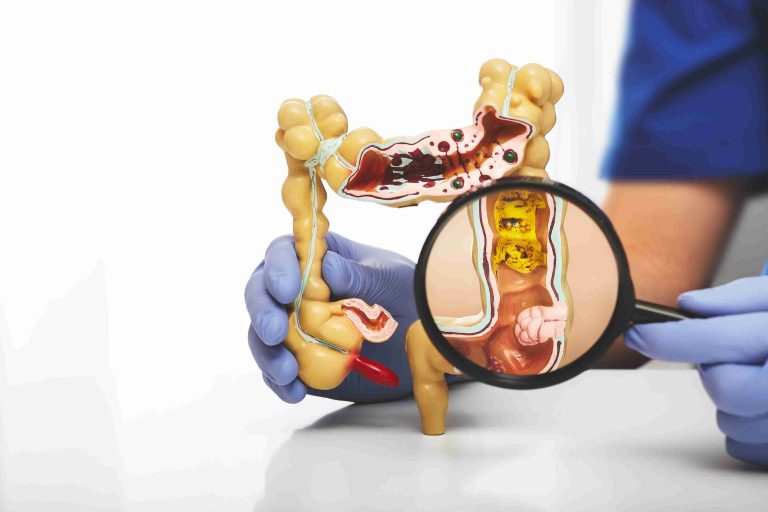
One common and potentially serious cause of blood in stools is the presence of polyps in the colon. Polyps are abnormal growths on the lining of the colon or rectum that can be benign, precancerous, or malignant.
What Are Polyps?
Colorectal polyps vary in size, shape, and histology:
- Adenomatous Polyps (Adenomas): Can become cancerous over time
- Hyperplastic Polyps: Usually benign but should still be monitored
- Inflammatory Polyps: Associated with conditions like ulcerative colitis
Polyps often do not cause symptoms, but when they do, bloody stools is a common sign. Detecting polyps early is crucial because removal prevents progression to colorectal cancer.
How Polyps Cause Blood in Stools
- Polyps can irritate the lining of the colon, causing minor bleeding.
- Larger polyps are more likely to bleed, resulting in noticeable blood in stools.
- Even small polyps may produce microscopic bleeding detectable through fecal occult blood tests.
Understanding the mechanism helps patients realize why routine screening is important, even if they feel healthy.
Other Causes of Blood in Stools
While polyps are a significant concern, not all cases of blood in stools are due to polyps. Other possible causes include:
Hemorrhoids
- Swollen veins in the rectum or anus
- Often cause bright red blood on toilet paper or the surface of stools
Anal Fissures
- Small tears in the anal lining due to constipation or hard stools
- Can result in minor bleeding with bowel movements
Gastrointestinal Infections
- Bacterial or viral infections may irritate the intestines
- Blood may appear along with diarrhea and abdominal cramping
Inflammatory Bowel Disease (IBD)
- Conditions like ulcerative colitis or Crohn’s disease
- Chronic inflammation leads to bleeding and other gastrointestinal symptoms
Colorectal Cancer
- Polyps can transform into malignant tumors if not detected early
- Persistent blood in stools warrants immediate evaluation
Screening and Detection
Screening is essential to identify polyps before they cause serious health issues. Key methods include:
1. Colonoscopy
- Gold standard for detecting and removing polyps
- Allows direct visualization and biopsy if needed
- Can prevent progression to colorectal cancer
2. Fecal Occult Blood Test (FOBT)
- Detects hidden blood in stools
- Non-invasive and easy to perform
- Positive results require follow-up colonoscopy
3. Sigmoidoscopy
- Examines the lower part of the colon
- Can detect polyps and other sources of bleeding
4. CT Colonography
- Non-invasive imaging alternative
- Detects larger polyps but may require follow-up colonoscopy if abnormalities are found
Recognizing Warning Signs
Patients should seek medical attention if stools with blood is accompanied by:
- Persistent changes in bowel habits
- Unexplained weight loss
- Abdominal pain or cramping
- Weakness or fatigue from anemia
Early evaluation ensures timely diagnosis and management of polyps or other gastrointestinal disorders.
Managing Polyps
Once polyps are detected, management depends on their type, size, and number:
- Polypectomy: Removal of polyps during colonoscopy
- Histological Examination: Determines if polyps are precancerous or benign
- Surveillance: Regular colonoscopy to monitor for recurrence
Effective management reduces the risk of colorectal cancer and associated complications.
Lifestyle and Preventive Measures
In addition to screening, lifestyle changes may help reduce the risk of polyps and blood in stools:
- Diet: High-fiber foods, fruits, vegetables, and whole grains support colon health
- Exercise: Regular physical activity helps maintain healthy bowel function
- Avoid Smoking and Excessive Alcohol: Both increase colorectal cancer risk
- Maintain Healthy Weight: Obesity is linked to higher risk of polyps and colorectal cancer
Combining preventive measures with routine screening is the most effective strategy for long-term gastrointestinal health.
Conclusion
Blood in stools is a symptom that should never be ignored, as it may indicate the presence of colorectal polyps, which can be precancerous. While other conditions like hemorrhoids or IBD can also cause bleeding, early detection through screening, particularly colonoscopy, is crucial.
Polyps are best managed when identified early, allowing for removal and prevention of colorectal cancer. Understanding the significance of blood in stools, recognizing warning signs, and adhering to recommended screening schedules can save lives and reduce the risk of serious gastrointestinal disease.
By incorporating healthy lifestyle habits alongside regular colonoscopic evaluations, individuals can proactively protect their digestive health, prevent complications, and minimize the recurrence of blood in stools due to polyps.