
10 Things You Should Know About Gastroscopy with Anaesthetist Support

Key Takeaways Gastroscopy is a diagnostic and therapeutic procedure that examines the esophagus, stomach, and duodenum using a flexible camera. Anaesthetist involvement ensures patient safety, airway protection, and precise sedation management. Complex procedures, high-risk patients, or prolonged gastroscopies benefit most from anaesthetist supervision. Early and safe gastroscopy can detect ulcers, tumors, bleeding sources, and other […]
5 Recovery Tips After Sedated Gastroscopy

Key Takeaways Gastroscopy is a diagnostic procedure used to examine the upper digestive tract, often performed under sedation for comfort and safety. Recovery after sedated gastroscopy requires monitoring for side effects, following dietary recommendations, and avoiding strenuous activities. Staying hydrated, managing mild throat discomfort, and adhering to medication instructions improve recovery outcomes. Understanding what to […]
Gastroscopy vs Endoscopy for Adults: Choosing the Right Test

Key Takeaways Gastroscopy is a specialized type of endoscopy that focuses on the upper digestive tract, including the esophagus, stomach, and duodenum. While all gastroscopies are endoscopies, not all endoscopies are gastroscopies, as endoscopy can examine other parts of the gastrointestinal (GI) tract. Gastroscopy is ideal for adults experiencing persistent upper abdominal pain, acid reflux, […]
Gastroscopy vs Upper GI Scan: Which Is More Accurate?
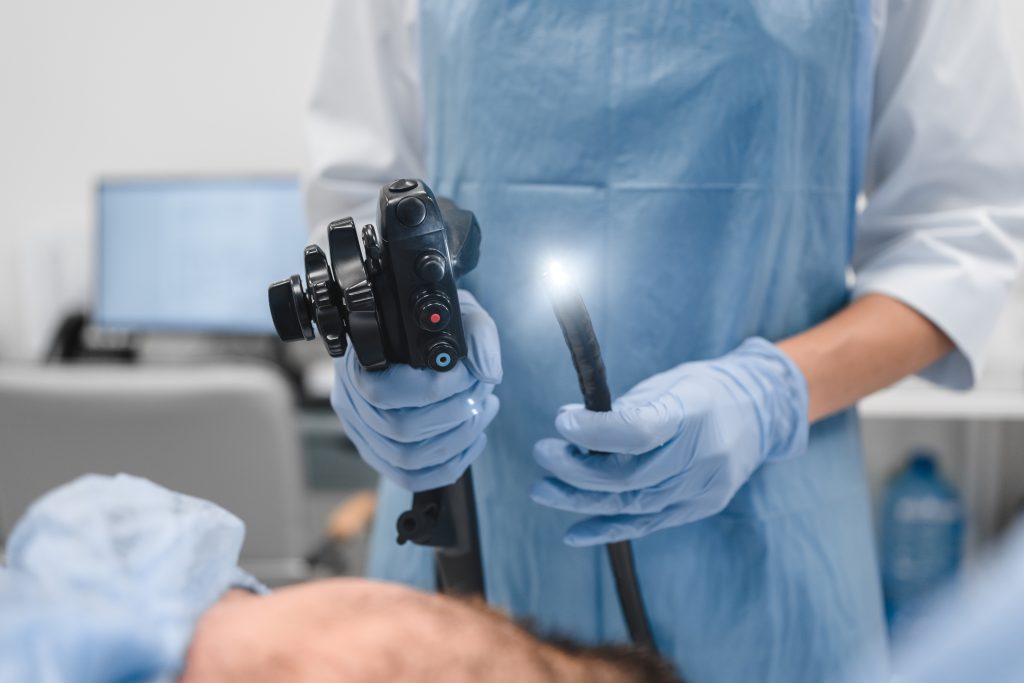
Key Takeaways Gastroscopy allows direct visualization, biopsy, and treatment, while upper GI scans rely on indirect imaging. Upper GI scans remain useful for assessing overall anatomy, motility, and obstruction. Gastroscopy is more accurate than an upper GI scan for diagnosing conditions affecting the stomach and upper digestive lining, especially early disease. The most accurate test […]
Gastroscopy vs Non-Invasive Tests: Advantages and Limitations

Key Takeaways Gastroscopy is the gold standard for diagnosing upper gastrointestinal (GI) conditions, allowing direct visualization and biopsy when needed. Non-invasive tests offer comfort, convenience, and lower procedural risk but cannot provide immediate therapeutic intervention. Choice of diagnostic method depends on patient symptoms, risk factors, and the need for definitive diagnosis. Early evaluation using the […]
Gastroscopy or CT Scan? Comparing Imaging vs Direct Visualization
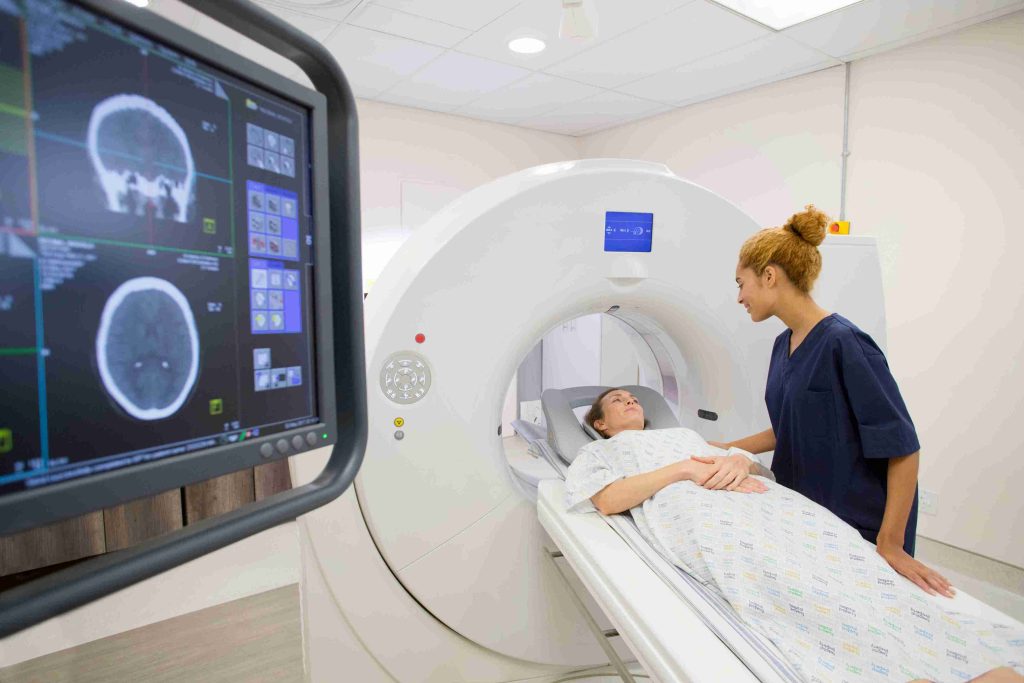
Key Takeaways Gastroscopy provides direct visualization of the upper gastrointestinal tract, while CT scans offer non-invasive imaging of abdominal structures. Gastroscopy allows biopsies, polyp removal, and direct treatment during the procedure, unlike CT scans. CT scans are useful for evaluating surrounding organs, detecting masses, and identifying complications beyond the stomach. Choosing between gastroscopy and CT […]
Why Gastroscopy Is Essential for Early Stomach Cancer Detection
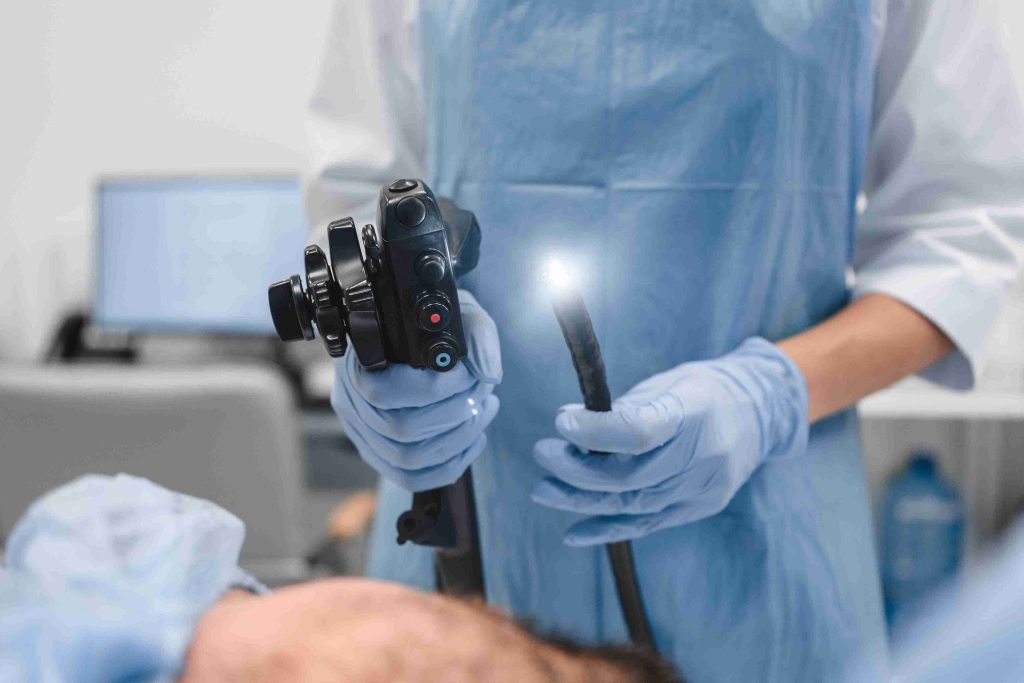
Key Takeaways Gastroscopy is a key diagnostic tool for detecting stomach cancer at an early stage when treatment is most effective. Early detection through gastroscopy significantly improves survival rates and treatment outcomes. Gastroscopy allows physicians to visually examine the stomach lining, perform biopsies, and identify precancerous lesions. Patients with risk factors such as family history, […]
Preparing for a Repeat Gastroscopy: What You Should Know

Key Takeaways A repeat gastroscopy may be recommended to monitor ongoing digestive issues, evaluate healing, or detect abnormalities. Proper preparation is essential to ensure accurate results and a safe procedure. Understanding what to expect before, during, and after gastroscopy helps reduce anxiety and complications. Following your healthcare provider’s instructions regarding diet, medications, and recovery enhances […]
Gastroscopy Findings: Decoding What the Doctor Sees

When a doctor recommends a gastroscopy, many patients feel anxious or uncertain about what the procedure involves and what it might reveal. A gastroscopy, also known as an upper endoscopy, is a diagnostic test that allows doctors to view the inside of the upper digestive tract. It helps identify causes of symptoms like persistent heartburn, […]
Therapeutic Gastroscopy: Treatment During Gastroscopy

Gastroscopy is a medical procedure that allows doctors to examine the upper digestive tract, including the esophagus, stomach, and duodenum. Unlike a standard diagnostic gastroscopy, which primarily aims to detect abnormalities, a therapeutic gastroscopy goes further by enabling immediate treatment during the procedure. This combination of diagnosis and treatment makes gastroscopy an essential tool in […]
