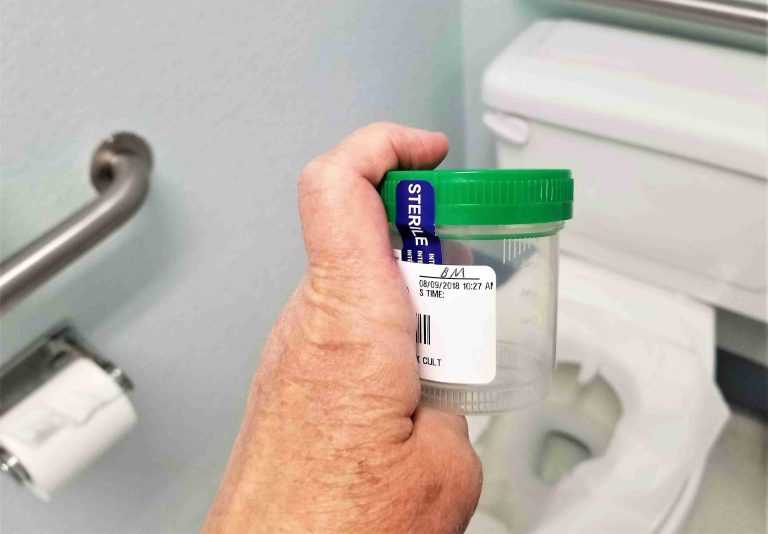
Noticing blood in stools can be an alarming experience. It’s a symptom that prompts many to worry about serious diseases like colon cancer or ulcers. However, while the presence of blood in stools should never be ignored, it is also a symptom that’s frequently misdiagnosed. This happens because there are many potential causes—ranging from minor conditions like hemorrhoids to life-threatening disorders of the gastrointestinal tract. Understanding why misdiagnoses occur and what signs to watch for can help patients and healthcare professionals manage the condition more accurately.
Understanding What Blood in Stools Means
Blood in stools can appear in several forms. Sometimes it looks bright red, coating the stool or appearing in the toilet bowl, which usually indicates bleeding in the lower gastrointestinal tract, such as the rectum or anus. In other cases, the stool may look dark, tarry, or black—a sign that the bleeding is occurring higher up, such as in the stomach or small intestine.
The causes of blood in stools can range from benign to severe. Hemorrhoids and anal fissures are among the most common and minor causes. More serious causes include diverticular disease, inflammatory bowel disease (IBD), peptic ulcers, polyps, and colorectal cancer. The variety of potential sources makes diagnosis challenging, and this complexity is where most misdiagnoses begin.
Why Blood in Stools Is Misdiagnosed
There are several reasons why blood in stools may be misdiagnosed. For one, the symptom itself is nonspecific—it doesn’t point to just one condition. Another challenge is that both patients and doctors may underestimate or misinterpret the nature of the bleeding.
Patients sometimes assume the bleeding is from hemorrhoids and delay seeking medical attention. Similarly, healthcare providers may initially treat for minor conditions, overlooking more serious possibilities. Inadequate history-taking, lack of diagnostic tests, or reliance on assumptions can all lead to missed or delayed diagnoses.
Additionally, medications and dietary factors can complicate assessment. For example, iron supplements, certain antibiotics, and foods like beets or licorice can darken stools, mimicking gastrointestinal bleeding. Without thorough evaluation, these factors can lead to unnecessary anxiety—or worse, missed warning signs of disease.
Common Misdiagnosis #1: Hemorrhoids
One of the most frequent mistakes in diagnosing blood in stools is attributing it to hemorrhoids. While hemorrhoids are indeed a common cause, they are not the only possibility. Many patients with more serious conditions, such as colorectal cancer or polyps, are initially told their bleeding is hemorrhoidal in nature.
The issue arises because hemorrhoids cause bright red bleeding during bowel movements, often visible on toilet paper or in the bowl. However, the same presentation can occur in rectal tumors or inflammatory diseases. Relying solely on visual inspection or symptoms without confirming through diagnostic testing—such as colonoscopy—can result in a dangerous delay in detecting cancer or other conditions.
To avoid this misdiagnosis, persistent or recurrent blood in stools should always be evaluated further, especially in individuals over 40 or with a family history of gastrointestinal disease.
Common Misdiagnosis #2: Anal Fissures
Anal fissures are small tears in the lining of the anus that can cause pain and bright red bleeding. They are often mistaken for hemorrhoids, and vice versa. However, the two conditions require different management approaches.
A fissure typically causes sharp pain during defecation, while hemorrhoidal bleeding is usually painless. Misidentifying one for the other can lead to ineffective treatment. More importantly, if the assumed fissure does not heal with conservative care, it may mask another underlying cause, such as Crohn’s disease or rectal cancer.
Proper diagnosis involves a physical examination and sometimes further imaging or endoscopy to rule out more serious causes of blood in stools.
Common Misdiagnosis #3: Peptic Ulcer Disease vs. Gastritis
When blood present in the stools is dark and tarry, it often indicates upper gastrointestinal bleeding. This can stem from gastritis, peptic ulcer disease, or even esophageal varices. The challenge lies in distinguishing between these conditions based on symptoms alone.
Many patients are diagnosed with gastritis due to symptoms like abdominal discomfort, nausea, or heartburn, while the true source may be a bleeding ulcer. Without an endoscopic evaluation, these conditions can be confused, leading to prolonged bleeding or anemia.
Misdiagnosis can delay appropriate treatment—such as addressing Helicobacter pylori infection, managing acid production, or stopping offending medications like NSAIDs.
Common Misdiagnosis #4: Inflammatory Bowel Disease (IBD) vs. Irritable Bowel Syndrome (IBS)
IBS and IBD share overlapping symptoms such as abdominal pain, bloating, and altered bowel habits. However, only IBD—such as Crohn’s disease or ulcerative colitis—causes inflammation and bleeding in the gastrointestinal tract.
Unfortunately, bloody stool caused by IBD is sometimes dismissed as stress-related IBS, especially in younger adults. This can delay diagnosis for months or even years. In that time, inflammation may progress, leading to complications like strictures, malabsorption, or increased cancer risk.
Any case of persistent diarrhea, abdominal cramping, and blood in stools should prompt a thorough evaluation, including colonoscopy and laboratory tests for inflammation.
Common Misdiagnosis #5: Diverticular Bleeding as Gastroenteritis
Diverticular bleeding occurs when small pouches in the colon wall (diverticula) rupture or become inflamed. This can cause significant, painless bleeding that may be mistaken for infectious diarrhea or gastroenteritis.
Because diverticular bleeding often resolves spontaneously, it may be overlooked during medical evaluation. However, recurrent bleeding or associated infection (diverticulitis) can lead to serious complications. Distinguishing between diverticular disease and other intestinal conditions requires imaging or colonoscopy.
Common Misdiagnosis #6: Food or Medication-Induced Discoloration
Sometimes what looks like blood in stools is not actually blood. Foods such as beets, blueberries, or red gelatin can give stools a reddish tint, while iron supplements or bismuth medications can cause dark, tarry stools.
If these factors are not considered, patients may be mistakenly diagnosed with gastrointestinal bleeding, leading to unnecessary worry or testing. Conversely, assuming discoloration is due to diet when true bleeding is present can delay detection of serious disease.
Testing stool for hidden (occult) blood and reviewing recent diet or medications can help clarify whether the color change is benign or clinically significant.
The Role of Diagnostic Testing
Accurate diagnosis of blood in stools relies on proper testing. Doctors may begin with a digital rectal exam to check for hemorrhoids or fissures. If bleeding persists or the cause remains uncertain, further evaluation is necessary.
A fecal occult blood test (FOBT) or fecal immunochemical test (FIT) detects hidden blood in the stool. However, these tests cannot determine the source, which is where colonoscopy or endoscopy becomes crucial.
Colonoscopy allows direct visualization of the colon and rectum, identifying polyps, inflammation, or tumors. Upper endoscopy examines the esophagus, stomach, and duodenum for ulcers or varices. Imaging techniques like CT scans can also detect bleeding sites or structural abnormalities.
Without these tests, healthcare providers risk treating symptoms instead of identifying the root cause of bleeding.
Preventing Misdiagnosis: What Patients Can Do
Patients play an important role in preventing misdiagnosis. Providing detailed information about the appearance, frequency, and timing of blood in stools helps guide proper investigation. It’s also crucial to mention all medications, supplements, and recent dietary habits.
If bleeding persists despite initial treatment for hemorrhoids or fissures, patients should request further testing rather than assuming it’s normal. Regular screening colonoscopies are also vital, especially for individuals over 50 or with a family history of colorectal cancer.
When to Seek Urgent Care
While minor bleeding may not always be an emergency, certain signs require immediate attention. Large amounts of blood in stools, dizziness, weakness, fainting, or black tarry stools may signal significant internal bleeding. Such cases demand prompt evaluation in a hospital setting.
Even mild bleeding that recurs or accompanies unexplained weight loss, fatigue, or changes in bowel habits should be assessed urgently. Early detection is key to effective treatment and better outcomes.
Conclusion
Blood in stools is a symptom that demands careful investigation. Though many cases result from benign causes, the potential for serious underlying disease means that misdiagnoses can have dangerous consequences.
Common mistakes—like assuming hemorrhoids are the cause or confusing IBD with IBS—highlight the importance of thorough diagnostic workups. Both patients and healthcare providers should avoid assumptions and rely on evidence-based testing.
By understanding the various reasons behind blood in stools and recognizing the pitfalls that lead to misdiagnosis, individuals can take proactive steps toward accurate diagnosis and effective treatment. Early intervention not only brings peace of mind but can also be lifesaving.