Key Takeaways
- Gastric pain usually refers to discomfort in the upper abdomen, while heartburn is a burning sensation behind the breastbone caused by stomach acid moving into the oesophagus.
- Gastric pain may be linked to indigestion, gastritis, ulcers, or other digestive conditions, while heartburn is commonly associated with acid reflux.
- Symptoms can overlap, so the location, timing, triggers, and accompanying symptoms can help distinguish the two.
- Persistent, severe, or unusual symptoms should be assessed by a healthcare professional, especially when warning signs are present.
What Is Gastric Pain?
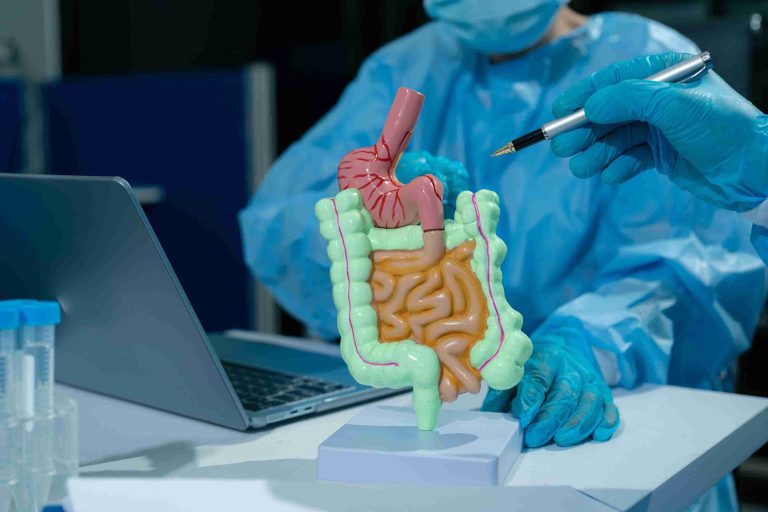
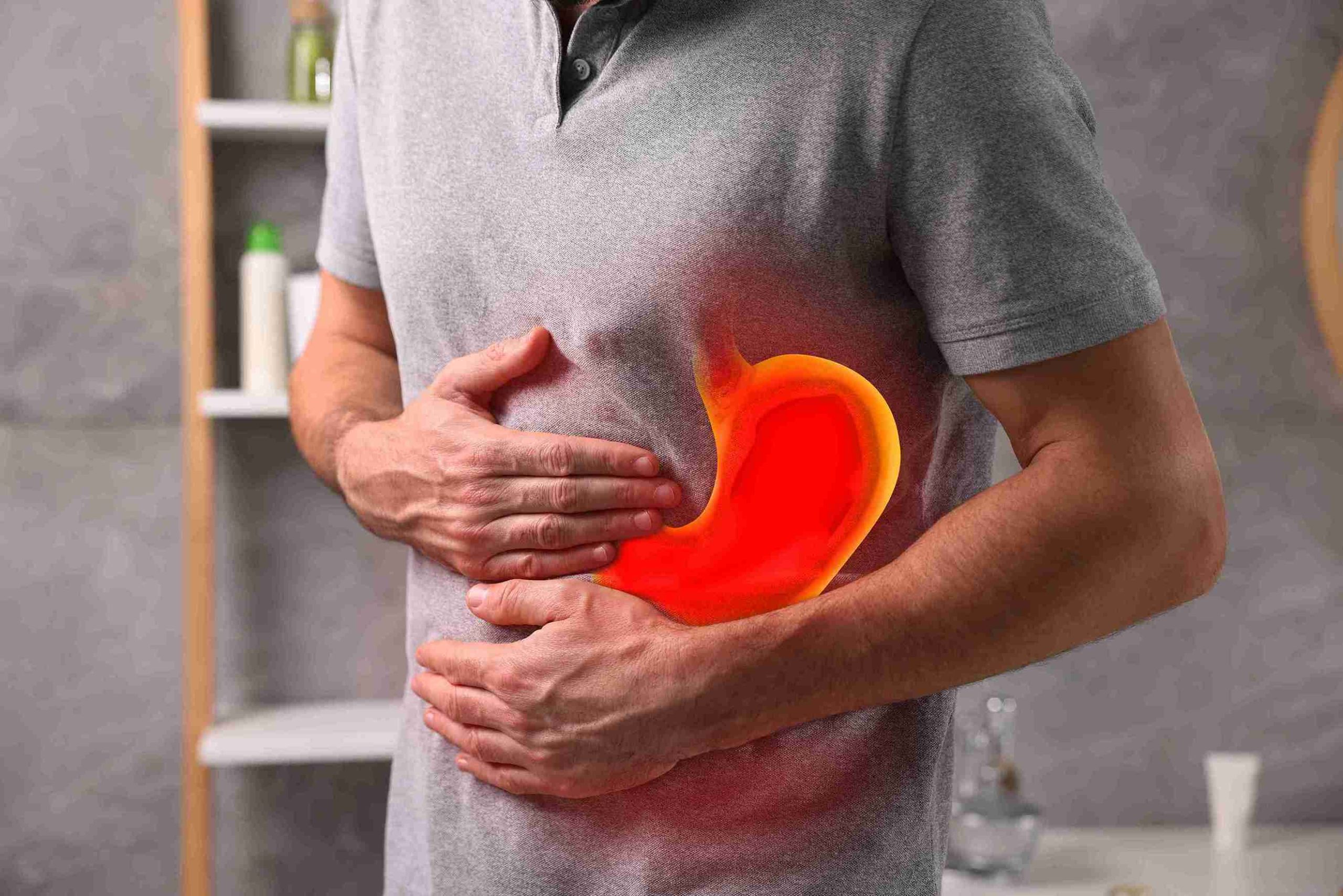
Gastric pain is a broad term used to describe discomfort or pain felt in the upper abdomen, particularly around the area where the stomach is located [1]. It may feel like aching, burning, cramping, pressure, or a sharp sensation. The cause can range from temporary indigestion and bloating to conditions such as gastritis, peptic ulcers, or other gastrointestinal problems.
The nature of gastric discomfort can provide useful clues. For example, pain associated with gastritis may occur with nausea or a feeling of fullness, while an ulcer may cause a recurring burning or gnawing sensation. However, symptoms alone cannot always identify the underlying cause.
What Is Heartburn?
Heartburn is a burning discomfort that commonly occurs behind the breastbone and may move upward toward the throat [2]. Despite its name, it is not caused by a problem with the heart. It usually occurs when stomach contents, including acid, flow back into the oesophagus, irritating its lining.
Heartburn may happen after eating, particularly after large or fatty meals. Lying down or bending over soon after eating can also make symptoms more noticeable. Some people experience a sour or bitter taste in the mouth, belching, or regurgitation along with the burning sensation.
How Do Stomach Pain and Heartburn Differ?
The simplest way to distinguish them is by considering where the discomfort occurs and what it feels like [3]. Gastric pain is generally felt in the upper abdomen, whereas heartburn is typically felt in the chest or behind the breastbone and may rise toward the throat.
Although both can occur after meals, their patterns can differ. Gastric pain may be related to stomach irritation, indigestion, inflammation, or an ulcer. Heartburn is more closely associated with acid reflux. Some people can experience both conditions, making the symptoms harder to distinguish.
| Feature | Gastric Pain | Heartburn |
| Typical location | Upper abdominal area | Behind the breastbone or chest |
| Common sensation | Aching, cramping, burning, or gnawing | Burning sensation |
| Common association | Gastritis, Gastric ulcers, Gallstones, pancreatitis | GERD |
| Possible accompanying symptoms | Nausea, bloating, early fullness | Sour taste, regurgitation, belching |
| Common triggers | Certain foods, stomach irritation, meals | Large meals, lying down after eating, certain foods |
How Can You Tell Which One You Have?
Pay attention to the location, timing, and character of the symptoms. If the gastric distress is mainly in the upper abdomen and is accompanied by bloating, nausea, or early fullness, a stomach-related problem may be involved. If the main symptom is a burning sensation in the chest that rises toward the throat, especially after eating or lying down, reflux-related heartburn may be more likely.
However, this distinction is not always straightforward. For example, some people describe reflux as discomfort in the upper abdomen rather than classic chest burning. Likewise, indigestion can cause burning that is difficult to distinguish from reflux.
Keeping track of when symptoms occur, what foods or activities trigger them, and whether they improve with changes in position can help a healthcare professional determine the likely cause.
What Can Cause Stomach Pain?
Several conditions can contribute to stomach discomfort. Indigestion may cause upper abdominal discomfort, fullness, bloating, or nausea, particularly after eating. Gastritis involves inflammation of the stomach lining and can produce pain, nausea, or a burning sensation.
Peptic ulcers can also cause recurring upper abdominal discomfort. They may develop in the stomach or the first part of the small intestine and can be associated with certain medications or infection with Helicobacter pylori [4]. Other digestive conditions can cause similar symptoms, so recurring gastric pain should not automatically be attributed to simple indigestion.
What Can Trigger Heartburn?
Heartburn can be triggered by factors that make acid reflux more likely. Eating large meals, eating close to bedtime, lying down soon after eating, and certain foods may worsen symptoms in susceptible individuals [5]. Common dietary triggers can include fatty or spicy foods, chocolate, coffee, and acidic foods, although triggers vary between individuals.
Lifestyle factors can also contribute to persistent gastric pain. Being overweight, smoking, and some medications may increase the likelihood of reflux symptoms. Identifying personal triggers and avoiding meals shortly before lying down may help reduce episodes for some people.
When Should You See a Doctor?
Occasional digestive discomfort or heartburn may not indicate a serious problem, but frequent or persistent symptoms deserve medical attention. A healthcare professional can review the symptoms, medical history, medications, and possible triggers before deciding whether further testing or treatment is needed.
Seek urgent medical care for severe or sudden abdominal pain, vomiting blood, black or bloody stools, fainting, difficulty breathing, or chest pain that is severe, persistent, or associated with sweating, shortness of breath, dizziness, or pain spreading to the arm, jaw, back, or shoulder. Chest symptoms should not automatically be assumed to be heartburn because some heart conditions can resemble digestive discomfort [6].
How Is It Usually Managed?
Management depends on the underlying cause. For mild digestive symptoms, eating smaller meals, limiting known triggers, staying hydrated, and avoiding lying down immediately after eating may help. People with frequent reflux may also benefit from maintaining a healthy weight and discussing persistent symptoms with a healthcare professional.
Treatment for gastritis, ulcers, or other digestive conditions depends on the specific diagnosis. A clinician may recommend medication, testing, dietary adjustments, or other treatment based on the cause. Taking pain medicines or acid-reducing products regularly without understanding the reason for recurring symptoms may delay appropriate evaluation.
Understanding the difference also helps when describing symptoms during an appointment. Note whether discomfort begins before or after meals, whether it changes when lying down, and whether it occurs with nausea, bloating, regurgitation, or changes in bowel habits. These details can help guide further assessment.
Conclusion
Gastric pain and heartburn can feel similar, but they often differ in location and pattern. Gastric pain is generally associated with discomfort in the upper abdomen, while heartburn usually produces a burning sensation behind the breastbone that may travel toward the throat. Because several digestive and non-digestive conditions can produce overlapping symptoms, recurring or concerning symptoms should be evaluated rather than self-diagnosed. Recognising the pattern of symptoms can help you describe them more accurately and seek appropriate medical care.
References
- Miwa, H., Nagahara, A., Asakawa, A., Arai, M., Oshima, T., Kasugai, K., Kamada, K., Suzuki, H., Tanaka, F., Tominaga, K., Futagami, S., Hojo, M., Mihara, H., Higuchi, K., Kusano, M., Arisawa, T., Kato, M., Joh, T., Shimosegawa, T., & Koike, K. (2022). Evidence-based clinical practice guidelines for functional dyspepsia 2021. Journal of Gastroenterology, 57(2), 47–61. https://doi.org/10.1007/s00535-021-01843-7.
- Katz, P. O., Dunbar, K. B., Schnoll-Sussman, F. H., Greer, K. B., Yadlapati, R., & Spechler, S. J. (2022). ACG clinical guideline for the diagnosis and management of gastroesophageal reflux disease. The American Journal of Gastroenterology, 117(1), 27–56. https://doi.org/10.14309/ajg.0000000000001538.
- National Institute of Diabetes and Digestive and Kidney Diseases. (2025). Symptoms & causes of indigestion (dyspepsia). U.S. Department of Health and Human Services, National Institutes of Health. NIDDK: Symptoms & Causes of Indigestion
- Bailey, J. M. (2024). Gastrointestinal conditions: Peptic ulcer disease. FP Essentials, 540, 16–23. PubMed: Gastrointestinal Conditions: Peptic Ulcer Disease
- Katz, P. O., Dunbar, K. B., Schnoll-Sussman, F. H., Greer, K. B., Yadlapati, R., & Spechler, S. J. (2022). ACG clinical guideline for the diagnosis and management of gastroesophageal reflux disease. The American Journal of Gastroenterology, 117(1), 27–56. https://doi.org/10.14309/ajg.0000000000001538.
- Mayo Clinic. (2026, July 16). Heart attack symptoms: Know what’s a medical emergency. Mayo Clinic: Heart Attack Symptoms