Key Takeaways
- Many digestive conditions may develop silently before noticeable symptoms appear.
- This procedure helps doctors examine the digestive tract and identify abnormalities early.
- Early detection of digestive problems may help prevent complications and support timely treatment.
- Conditions such as ulcers, inflammation, polyps, and reflux-related damage may be detected even in patients with mild or no symptoms.
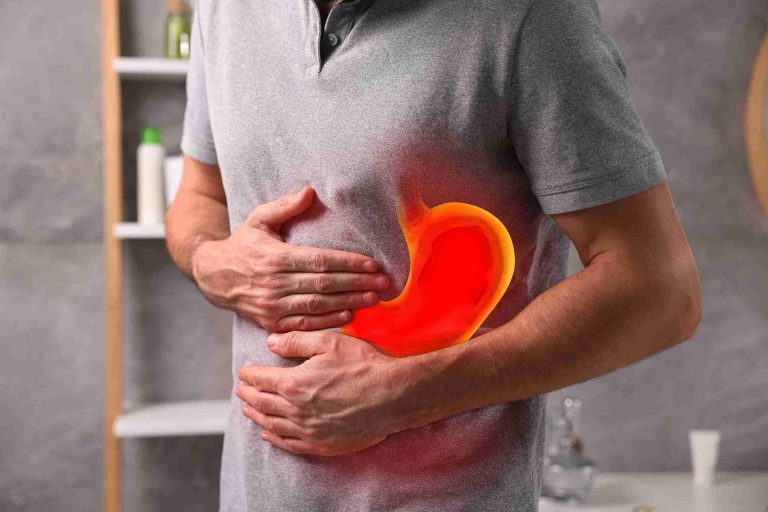
Digestive conditions do not always cause obvious warning signs in their early stages. Some people may experience occasional bloating, mild discomfort, or changes in appetite without realizing these symptoms could indicate a more serious underlying issue. In many cases, silent digestive problems may continue to progress unnoticed until complications develop.
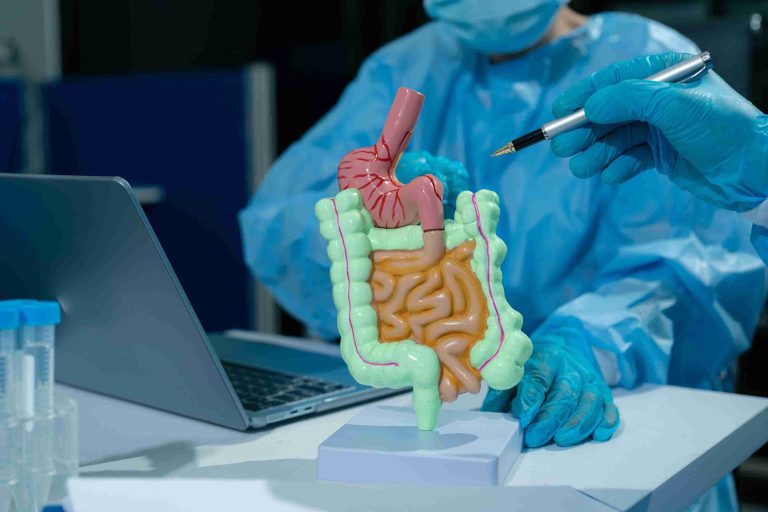
An endoscopy allows doctors to closely examine the digestive tract and detect silent digestive conditions early, often before severe symptoms or complications appear. This procedure plays an important role in identifying abnormalities affecting the esophagus, stomach, and upper small intestine [1].
By detecting issues early, healthcare providers may recommend lifestyle modifications, medications, monitoring, or additional treatments to help prevent disease progression. Below are seven silent digestive problems that may be detected during an endoscopy procedure.
| Silent Digestive Problem | Possible Early Signs | Why Early Detection Matters |
| Gastroesophageal reflux disease (GERD) | Mild heartburn, chronic cough | Helps prevent esophageal damage |
| Gastric ulcers | Bloating, nausea, stomach discomfort | Reduces risk of bleeding or perforation |
| Gastritis | Indigestion, fullness | Prevents chronic inflammation complications |
| Barrett’s esophagus | Persistent reflux | Lowers risk of esophageal cancer progression |
| Polyps | Often no symptoms | Allows early removal before changes worsen |
| Celiac disease | Fatigue, bloating, diarrhea | Helps prevent nutrient deficiencies |
| Early stomach cancer | Unexplained appetite changes | Improves treatment outcomes with early diagnosis |
1. Gastroesophageal Reflux Disease (GERD)
Occasional acid reflux is common, but persistent reflux may indicate gastroesophageal reflux disease (GERD). Some individuals may not recognize chronic throat irritation, hoarseness, or nighttime coughing as signs of reflux-related damage.
During an endoscopy test, doctors may observe inflammation, irritation, or erosions in the lining of the esophagus caused by repeated exposure to stomach acid. In some cases, reflux may progress silently for years before more severe symptoms develop.
Early detection is important because untreated GERD may lead to narrowing of the esophagus, ulcers, or precancerous changes. Identifying reflux-related damage early may help patients manage the condition through dietary changes, medications, and lifestyle modifications [2].
2. Gastric Ulcers
Gastric ulcers are open sores that develop in the stomach lining. While some people experience burning abdominal pain, others may have only mild nausea, bloating, or no symptoms at all.
An endoscopy can help identify ulcers before complications such as bleeding or perforation occur. The procedure also allows physicians to assess the size and severity of the ulcer and determine whether additional testing is needed.
Several factors may contribute to ulcer formation, including Helicobacter pylori infection, long-term use of nonsteroidal anti-inflammatory drugs (NSAIDs), smoking, and excessive alcohol intake. Detecting ulcers early may reduce the risk of chronic bleeding, anemia, and worsening digestive problems [3].
3. Gastritis
Gastritis refers to inflammation of the stomach lining. This condition may develop gradually and remain unnoticed for long periods, especially when symptoms are mild.
People with gastritis may occasionally experience indigestion, early fullness after meals, nausea, or mild upper abdominal discomfort. However, some patients may not experience symptoms until inflammation becomes more severe.
Through an endoscopy, doctors can examine the stomach lining for redness, swelling, irritation, or erosion. Tissue samples may also be collected if needed to check for bacterial infection or abnormal cellular changes.
Early diagnosis may help prevent complications such as ulcers, chronic stomach irritation, or bleeding. Treatment often includes reducing stomach acid, treating infections, and modifying dietary habits [4].
4. Barrett’s Esophagus
Barrett’s esophagus is a condition in which the normal lining of the esophagus changes after prolonged acid reflux exposure. The condition itself may not cause noticeable symptoms beyond those associated with reflux.
Because Barrett’s esophagus may increase the risk of esophageal cancer, identifying it early is important. An endoscopy allows physicians to look for abnormal tissue changes and collect biopsies for further evaluation [5].
Individuals with long-standing GERD, obesity, smoking history, or chronic heartburn may have a higher risk of developing Barrett’s esophagus. Early monitoring and treatment may help reduce further damage and support better long-term outcomes.
5. Polyps in the Digestive Tract
Polyps are abnormal growths that may develop in the stomach or upper digestive tract. Many polyps do not cause symptoms initially, making them difficult to detect without medical evaluation.
A diagnostic endoscopy may identify these growths early, allowing doctors to monitor or remove them when necessary. While some polyps are benign, others may carry a risk of becoming cancerous over time.
Detecting polyps before they grow larger or develop abnormal cellular changes may significantly reduce the risk of future complications. Regular monitoring may also be recommended for individuals with certain risk factors or family histories.
6. Celiac Disease
Celiac disease is an autoimmune condition triggered by gluten consumption. Some individuals experience diarrhea, bloating, fatigue, or weight loss, while others may have subtle or non-digestive symptoms.
In certain cases, this procedure may be performed to evaluate damage in the small intestine and confirm the diagnosis through biopsy samples. The procedure can reveal inflammation and flattening of intestinal villi associated with the disease [6].
Undiagnosed celiac disease may lead to nutrient deficiencies, anemia, bone problems, and chronic digestive discomfort. Early diagnosis allows patients to begin a gluten-free diet sooner, which may help reduce inflammation and improve nutrient absorption.
7. Early Stomach Cancer
Stomach cancer may develop quietly during its early stages. Symptoms such as mild indigestion, early satiety, unexplained weight loss, or appetite changes are sometimes overlooked or mistaken for less serious digestive conditions.
A medical endoscopy is one of the most effective tools for identifying suspicious lesions, abnormal tissue growth, or early cancerous changes in the stomach lining. Biopsy samples may also be obtained during the procedure for laboratory testing.
Detecting stomach cancer early significantly improves treatment options and outcomes. In many cases, early-stage disease may be easier to manage compared to advanced cancer that has already spread.
When Should You Consider an Endoscopy?
A doctor may recommend an endoscopy screening for individuals experiencing persistent digestive symptoms or those with risk factors for gastrointestinal disease. Symptoms that should not be ignored include chronic heartburn, difficulty swallowing, unexplained nausea, persistent bloating, vomiting, abdominal pain, black stools, or unexplained weight loss.
People with a family history of gastrointestinal conditions, previous ulcers, chronic reflux, or ongoing digestive discomfort may also benefit from evaluation. Although not every digestive symptom indicates a serious condition, early assessment may help identify hidden problems before complications occur.
The procedure is generally considered safe and is commonly performed with sedation to improve patient comfort. Most patients can return home the same day after recovery.
Conclusion
Many digestive disorders may develop silently, making early detection especially important. Conditions such as GERD, gastritis, ulcers, polyps, Barrett’s esophagus, celiac disease, and early stomach cancer may progress gradually without obvious warning signs.
An endoscopic examination provides physicians with a detailed view of the digestive tract, helping identify abnormalities before they become more severe. Early diagnosis may support more effective treatment, reduce complications, and improve long-term digestive health.
If persistent digestive symptoms or risk factors are present, consulting a healthcare professional may help determine whether further evaluation is necessary. Timely screening and medical guidance may play an important role in protecting overall gastrointestinal wellness.
References
- National Institute of Diabetes and Digestive and Kidney Diseases. (2024). Upper GI endoscopy. https://www.niddk.nih.gov/health-information/diagnostic-tests/upper-gi-endoscopy
- National Institute of Diabetes and Digestive and Kidney Diseases. (2024). Definition & facts for GER & GERD. https://www.niddk.nih.gov/health-information/digestive-diseases/acid-reflux-ger-gerd-adults/definition-facts
- Mayo Clinic. (2024). Peptic ulcer: Symptoms and causes. https://www.mayoclinic.org/diseases-conditions/peptic-ulcer/symptoms-causes/syc-20354223
- Merck Manual Professional Edition. (2024). Overview of gastritis. https://www.merckmanuals.com/professional/gastrointestinal-disorders/gastritis-and-peptic-ulcer-disease/overview-of-gastritis
- National Institute of Diabetes and Digestive and Kidney Diseases. (2024). Barrett’s esophagus. https://www.niddk.nih.gov/health-information/digestive-diseases/barretts-esophagus
- Rubio-Tapia, A., Hill, I. D., Kelly, C. P., Calderwood, A. H., & Murray, J. A. (2013). ACG clinical guidelines: Diagnosis and management of celiac disease. The American Journal of Gastroenterology, 108(5), 656–676. https://pmc.ncbi.nlm.nih.gov/articles/PMC3706994/