Key Takeaways
- Abdominal pain in fatty liver patients often results from inflammation, fat accumulation, or digestive stress caused by certain foods.
- High-fat, processed, and sugary foods are common triggers for liver-related discomfort.
- Identifying and avoiding these foods can help reduce symptoms and improve liver health.
- A balanced diet rich in fiber, lean protein, and healthy fats supports liver function and minimizes abdominal pain.
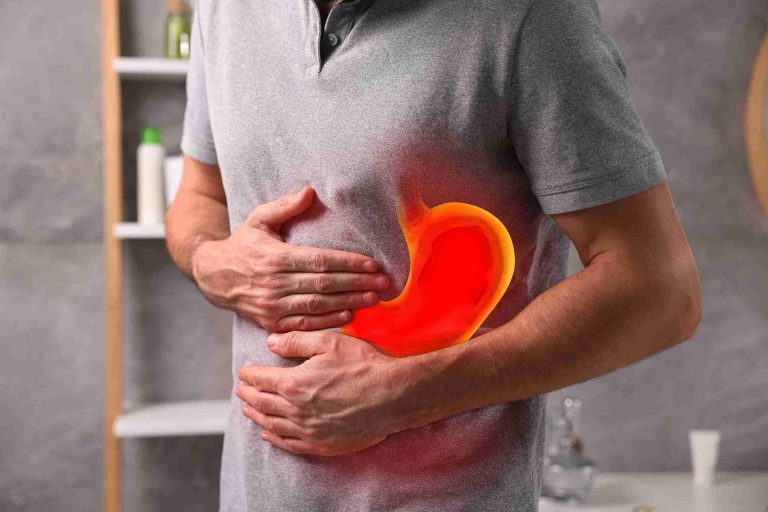
Patients with fatty liver often experience abdominal pain, bloating, and discomfort after eating. The main reason certain foods trigger abdominal pain in fatty liver patients is that these foods increase liver inflammation, fat accumulation, and digestive strain, exacerbating liver‑related symptoms [1]. Recognizing common dietary triggers allows patients to modify their meals, reduce discomfort, and support liver health.
Here are seven foods that commonly trigger abdominal pain in individuals with fatty liver.
1. Fried and Deep-Fried Foods
Fried foods are high in trans fats and saturated fats, which the liver must metabolize. In fatty liver patients, this extra workload can increase liver fat accumulation and inflammation, worsening symptoms [2]. Examples include:
- French fries
- Fried chicken
- Tempura dishes
Frequent consumption can worsen liver fat accumulation, making discomfort more persistent.
2. Processed and Fast Foods
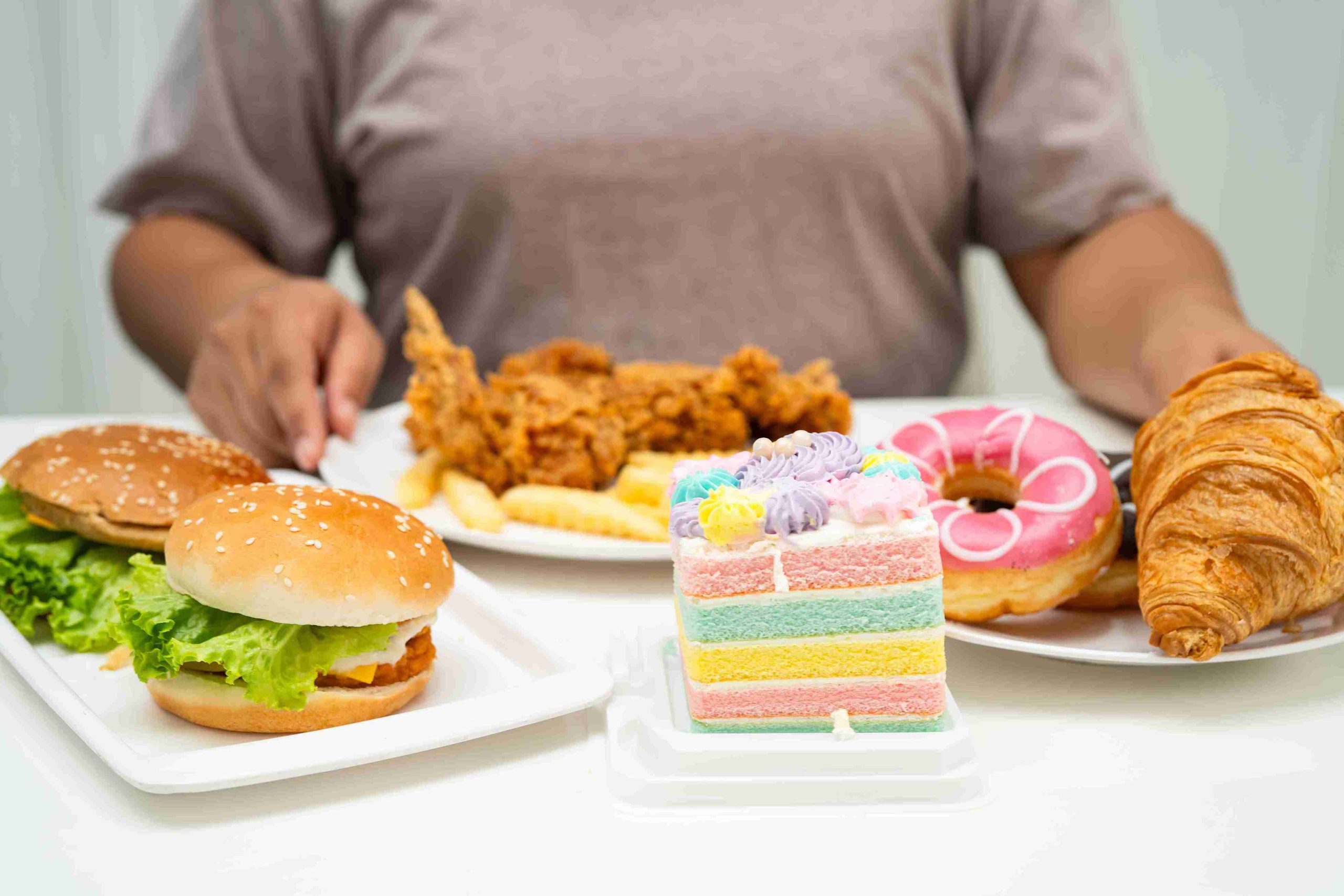
Highly processed foods contain additives, preservatives, and unhealthy fats that can trigger abdominal pain in fatty liver patients [3]. Common examples are:
- Fast food burgers and sandwiches
- Packaged snacks
- Instant noodles
These foods are low in nutrients and high in calories, contributing to liver fat buildup and digestive stress.
3. Sugary Beverages and Foods
Excess sugar intake, especially from soft drinks, sweetened juices, and desserts, increases liver fat production and insulin resistance. This can exacerbate abdominal pain and bloating in fatty liver patients [4]. Consuming high-fructose corn syrup or refined sugars should be minimized to reduce liver strain.
4. Red and Processed Meats
Red meats like beef and lamb, and processed meats like sausages and bacon, are high in saturated fats and cholesterol [5]. In fatty liver patients, these foods can trigger abdominal pain by:
- Increasing fat deposition in the liver
- Promoting inflammation
- Straining digestion
Replacing red meat with lean proteins, such as fish or poultry, helps reduce discomfort.
5. Dairy Products High in Fat
Full-fat dairy, including whole milk, cheese, and cream, contains saturated fats that can exacerbate liver fat accumulation and trigger abdominal pain [6]. Patients with fatty liver are often advised to opt for low-fat or plant-based alternatives, which are easier to digest and less likely to cause discomfort.
6. Spicy Foods
While not directly affecting liver fat, spicy foods can irritate the gastrointestinal tract and exacerbate abdominal pain in sensitive patients. Capsaicin and other spices may cause bloating, acid reflux, and abdominal discomfort. Fatty liver patients with pre-existing digestive sensitivity should moderate spicy food intake.
7. Alcohol
Alcohol is a significant trigger for liver inflammation and can worsen abdominal pain in fatty liver patients. Even moderate consumption can:
- Increase fat deposition in the liver
- Cause inflammation (steatohepatitis)
- Exacerbate liver-related abdominal discomfort
Complete avoidance or strict moderation is essential for reducing symptoms and preventing disease progression.
Summary Table: Common Food Triggers of Abdominal Pain in Fatty Liver
| Food Category | Mechanism of Triggering Abdominal Pain | Examples | Recommendations |
| Fried & deep-fried foods | High in trans/saturated fats; increases liver inflammation | French fries, fried chicken, tempura | Limit or avoid; choose baked or grilled alternatives |
| Processed/fast foods | Additives, preservatives, unhealthy fats | Packaged snacks, burgers, instant noodles | Opt for whole, minimally processed foods |
| Sugary foods & beverages | Raises liver fat and insulin resistance | Soft drinks, sweetened juices, desserts | Minimize intake; use natural sweeteners in moderation |
| Red & processed meats | High saturated fat; promotes inflammation | Beef, lamb, sausages, bacon | Replace with lean meats, fish, or plant proteins |
| Full-fat dairy | Saturated fat increases liver fat | Whole milk, cream, cheese | Choose low-fat or plant-based alternatives |
| Spicy foods | Irritates GI tract | Chili, hot sauces, curries | Moderate intake; adjust based on tolerance |
| Alcohol | Causes liver inflammation; increases fat deposition | Beer, wine, spirits | Avoid or consume only in strict moderation |
Additional Tips for Reducing Abdominal Pain
- Eat smaller, frequent meals: Large meals can overwhelm the liver, increasing discomfort.
- Increase fiber intake: Whole grains, vegetables, and fruits aid digestion and reduce bloating.
- Stay hydrated: Adequate water supports liver metabolism and detoxification.
- Avoid late-night heavy meals: Eating close to bedtime can exacerbate abdominal discomfort.
- Monitor tolerance: Track foods that trigger abdominal pain to personalize dietary adjustments.
Conclusion
Stomach pain in fatty liver patients often arises from the liver’s difficulty processing high-fat, sugary, or processed foods. Fried items, processed meals, sugary beverages, red and processed meats, high-fat dairy, spicy foods, and alcohol are common triggers.
By identifying these triggers, patients can adjust their diet to reduce discomfort, support liver health, and prevent progression of fatty liver disease. Balanced nutrition, hydration, moderation, and avoidance of known triggers are key strategies for minimizing abdominal pain and promoting long-term liver function.
Patients experiencing persistent abdominal pain should consult a healthcare professional for assessment, as dietary management is only part of a comprehensive fatty liver care plan.
References
- Mayo Clinic Staff. (2025). Fatty liver disease (MASLD) diet: Foods to avoid. Mayo Clinic. https://www.mayoclinic.org/diseases-conditions/nonalcoholic-fatty-liver-disease/in-depth/fatty-liver-disease-masld-diet/art-20588469
- Mayo Clinic Staff. (2025). Fatty liver disease (MASLD): Symptoms and causes. Mayo Clinic. https://www.mayoclinic.org/diseases-conditions/nonalcoholic-fatty-liver-disease/symptoms-causes/syc-20354567
- WebMD. (2024). Fatty liver disease diet and nutrition. https://www.webmd.com/diet/obesity/guide/fatty-liver-diet
- Healthline. (2022). Fatty liver diet: Foods to eat and avoid. https://www.healthline.com/health/fatty-liver-diet
- Medical News Today. (2023). Fatty liver diet: Foods to eat and avoid. https://www.medicalnewstoday.com/articles/320082
- Johns Hopkins Medicine. (n.d.). Alcohol‑associated liver disease. https://www.hopkinsmedicine.org/health/conditions-and-diseases/alcoholinduced-liver-disease