Key Takeaways
- Ask why the procedure is recommended and what your doctor hopes to learn from it.
- Clarify how to prepare, including fasting, medications, and arrangements for sedation.
- Discuss possible findings, biopsies, and what may happen if an abnormality is detected.
- Understand the risks, recovery process, and when you should expect your results.
If your doctor has recommended a gastroscopy, you may have questions about what will happen and why the procedure is needed. Knowing what to ask beforehand can help you understand the examination, prepare correctly and properly, and feel more comfortable throughout.
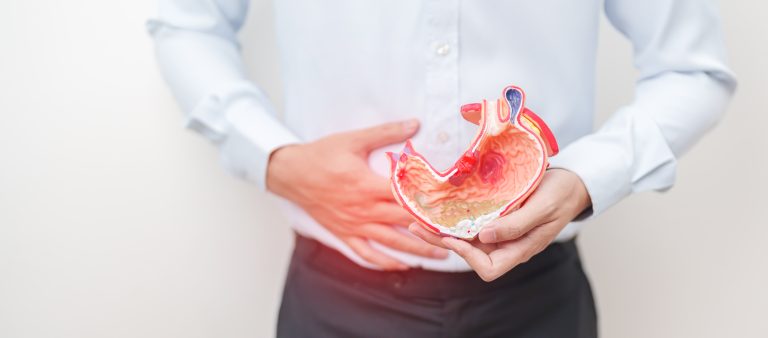
A gastroscopy uses a flexible tube with a camera to examine the upper digestive tract, including the oesophagus, stomach, and first part of the small intestine [1]. It may be recommended for persistent upper abdominal pain, difficulty swallowing, recurrent heartburn, vomiting, unexplained weight loss, or gastrointestinal bleeding.
Before your appointment, consider asking these six questions about your gastroscopy.
1. Why Do I Need a Gastroscopy?
Ask why the procedure has been recommended and what your doctor is looking for. A gastroscopy can help investigate symptoms, identify inflammation or ulcers, detect bleeding, and assess abnormalities in the upper digestive tract.
Your doctor may recommend the procedure when other tests have not provided enough information or when symptoms need a closer examination. Understanding the reason can help you know what your doctor is trying to diagnose or rule out.
Ask whether the procedure is being performed to investigate symptoms, monitor an existing condition, or assess a specific concern. You can also ask whether there are alternative tests and why this procedure is preferred in your situation [2].
2. How Should I Prepare for the Procedure?
Proper preparation is important because food or liquid in the stomach can interfere with the examination and may increase risks during sedation. Your doctor or clinic will provide instructions about when to stop eating and drinking [3].
Ask how long you need to fast and whether clear fluids are allowed. Tell your doctor about all medications, supplements, and medical conditions you have. Certain medicines, particularly those affecting blood clotting or blood sugar, may require special instructions.
Do not stop prescribed medication unless your doctor or healthcare team tells you to do so. If any preparation instruction is unclear, clarify it before the appointment.
3. Will I Be Sedated, and Do I Need Someone to Accompany Me?
Many patients receive medication to help them relax and remain comfortable. Ask what type of sedation will be used, how it is administered, and what you can expect to feel during the examination.
Ask whether you will be awake, how long the effects may last, and what restrictions apply afterward. Depending on the sedation, you may need someone to accompany you home. You may also be advised not to drive, operate machinery, drink alcohol, or make important decisions until the effects have worn off.
4. What Could You Find During the Examination?
Ask what conditions the examination may identify based on your symptoms and medical history. A gastroscopy provides a direct view of the upper digestive tract and may identify inflammation, ulcers, narrowing, abnormal tissue, or sources of bleeding.
If an area requires closer assessment, a small tissue sample called a biopsy may be taken. This is commonly done during the examination and does not necessarily mean that cancer is suspected [4].
| Question to ask | Why it matters |
| What are you looking for? | Helps you understand the purpose of the examination |
| Could you take a biopsy? | Explains what may happen if abnormal tissue is seen |
| When will I receive the results? | Helps you plan for follow-up |
| What happens if something abnormal is found? | Clarifies possible next steps |
Ask whether biopsies are likely and how results will be communicated. Your doctor can also explain what follow-up may be needed.
5. What Are the Risks and What Will Recovery Be Like?
Although gastroscopy is generally considered a safe procedure, it is important to understand potential risks [5]. Ask about complications and which symptoms afterward should prompt medical attention.
Some people may experience temporary throat discomfort, bloating, nausea, or abdominal discomfort. More serious complications are uncommon but can include bleeding, infection, or injury to the digestive tract. Individual risk depends on your health, the reason for the procedure, and whether biopsies or treatments are performed.
Ask how long recovery is expected to take and when you can return to normal activities. Your healthcare team should explain eating, drinking, medication, driving, and when to seek medical care after the examination.
6. When and How Will I Get My Results?
Ask when you can expect your results and whether your doctor will discuss the findings with you after the procedure. In some cases, the doctor can explain what was seen once you are sufficiently alert. However, biopsy results require laboratory analysis and may take longer [6].
Ask who will contact you, how the results will be provided, and whether you need a follow-up appointment. If a finding requires treatment or further testing, understanding the next step can help prevent delays in care.
You can also ask what symptoms should prompt you to contact the clinic while waiting for your results. Having a clear follow-up plan can reduce uncertainty and ensure important findings are addressed.
What Should You Tell Your Doctor Before a Gastroscopy?
In addition to asking questions, provide complete and accurate information about your health. Tell your doctor about previous procedures, allergies, medical conditions, medications, supplements, and any history of problems with sedation or anaesthesia.
Be particularly clear about medicines that affect blood clotting, diabetes medications, and prescriptions that may be affected by fasting. If you are pregnant or think you may be pregnant, inform your healthcare provider before the procedure.
Describe your symptoms clearly, including when they started, how often they occur, and whether they are getting worse. This information can help your doctor determine the appropriate approach.
Conclusion
A gastroscopy can be an important diagnostic tool for investigating symptoms and examining the upper digestive tract. Asking questions before the procedure can help you understand why it is needed, how to prepare, what may happen during the examination, and how follow-up will be managed.
The six questions above cover the main areas to discuss with your doctor: the reason for the procedure, preparation, sedation, possible findings, risks and recovery, and results. Your doctor can tailor the information to your symptoms, medical history, and individual circumstances.
If you have concerns about your symptoms or the procedure, discuss them with your healthcare provider before the appointment. Clear communication can help you prepare appropriately and know what to expect before and after the examination.
References
- National Health Service. (2026). Gastroscopy. NHS. NHS: Gastroscopy
- Nagula, S., Parasa, S., Laine, L., & Shah, S. C. (2024). AGA Clinical Practice Update on high-quality upper endoscopy: Expert review. Clinical Gastroenterology and Hepatology, 22(5), 933–943. https://doi.org/10.1016/j.cgh.2023.10.034
- Areia, M., Esposito, G., Leclercq, P., Romańczyk, M., Zessner-Spitzenberg, J., Delgado Guillena, P. G., Monged, A., Honrubia López, R., Uchima, H., Ruiz Ballesteros, E. J., Panarese, A., Reis de Oliveira, L. A., Afify, S., Bisschops, R., & Ferlitsch, M. (2025). Performance measures for upper gastrointestinal endoscopy: A European Society of Gastrointestinal Endoscopy (ESGE) Quality Improvement Initiative – Update 2025. Endoscopy, 57(11), 1268–1297. https://doi.org/10.1055/a-2674-4912
- Pouw, R. E., Barret, M., Biermann, K., Bisschops, R., Czakó, L., Gecse, K. B., de Hertogh, G., Hucl, T., Iacucci, M., Jansen, M., Rutter, M., Savarino, E., Spaander, M. C. W., Schmidt, P. T., Vieth, M., Dinis-Ribeiro, M., & van Hooft, J. E. (2021). Endoscopic tissue sampling: Part 1: Upper gastrointestinal and hepatopancreatobiliary tracts. European Society of Gastrointestinal Endoscopy (ESGE) Guideline. Endoscopy, 53(11), 1174–1188. https://doi.org/10.1055/a-1611-5091
- Waddingham, W., Kamran, U., Kumar, B., Trudgill, N. J., Tsiamoulos, Z. P., & Banks, M. (2022). Complications of diagnostic upper gastrointestinal endoscopy: Common and rare—recognition, assessment and management. BMJ Open Gastroenterology, 9(1), e000688. https://doi.org/10.1136/bmjgast-2021-000688
- Cambridge University Hospitals NHS Foundation Trust. (2024). Gastroscopy. Cambridge University Hospitals: Gastroscopy