Key Takeaways
- Gastroscopy is a specialized type of endoscopy that focuses on the upper digestive tract, including the esophagus, stomach, and duodenum.
- While all gastroscopies are endoscopies, not all endoscopies are gastroscopies, as endoscopy can examine other parts of the gastrointestinal (GI) tract.
- Gastroscopy is ideal for adults experiencing persistent upper abdominal pain, acid reflux, or unexplained vomiting.
- Choosing the right procedure depends on symptoms, risk factors, and diagnostic needs, with guidance from a healthcare professional.
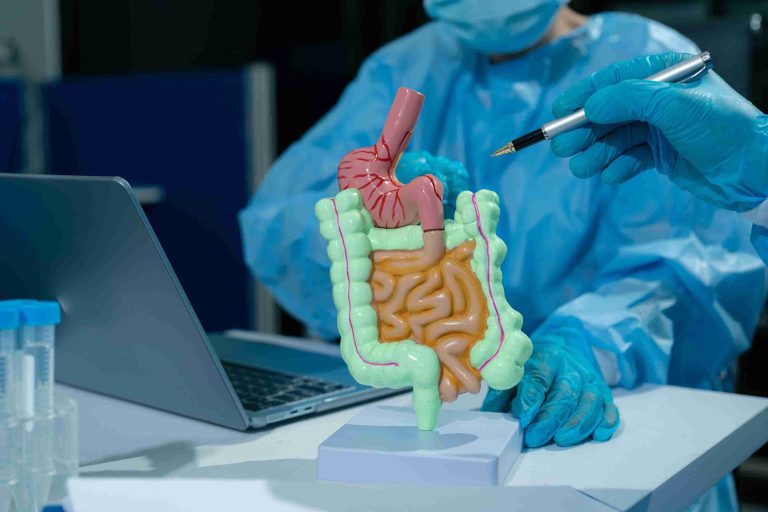
For adults experiencing gastrointestinal discomfort, gastroscopy is often the preferred test over general endoscopy when evaluating upper digestive tract issues, as it provides a detailed view of the esophagus, stomach, and duodenum.
Understanding Gastroscopy
Gastroscopy, also known as upper gastrointestinal (GI) endoscopy or esophagogastroduodenoscopy (EGD), is a procedure that uses a flexible tube with a camera (endoscope) to examine the upper GI tract, including the esophagus, stomach, and the first part of the small intestine (duodenum) [1].
Key benefits of gastroscopy include:
- Direct visualization: Allows doctors to identify inflammation, ulcers, tumors, and sources of bleeding.
- Biopsy capability: Suspicious lesions can be sampled for histopathological analysis during the same procedure.
- Therapeutic intervention: Bleeding control, removal of small polyps, and dilation of strictures may be performed during a gastroscopy procedure.
- Monitoring chronic conditions: Used for surveillance of gastritis, GERD, and Barrett’s esophagus.
Clinical guidelines support upper GI endoscopy as a reliable diagnostic tool for a wide range of upper GI conditions, including peptic ulcer disease and mucosal disorders [2].
Understanding Endoscopy
Endoscopy is a broad term referring to procedures that use an endoscope to examine internal organs, most commonly parts of the gastrointestinal tract [3].
- Gastroscopy: Focuses on the upper GI tract.
- Colonoscopy: Examines the large intestine.
- Sigmoidoscopy: Looks at the lower part of the colon.
- ERCP (Endoscopic Retrograde Cholangiopancreatography): Evaluates the bile ducts and pancreatic ducts [4].
Key benefits of endoscopy in general:
- Comprehensive evaluation: Depending on type, endoscopy can examine different GI sections.
- Early detection: Enables early identification of cancers, polyps, and premalignant lesions, improving clinical outcomes.
- Minimally invasive: Reduces the need for surgical interventions.
- Diagnostic flexibility: Can be adapted for various GI complaints.
Thus, while all gastroscopies are endoscopies, adults requiring evaluation of the lower digestive tract may need other endoscopic procedures.
Gastroscopy vs Endoscopy: Key Differences
| Feature | Gastroscopy | Other Endoscopy Types | Notes |
| Area Examined | Esophagus, stomach, duodenum | Colon, bile ducts, or other GI areas | Gastroscopy is specific to the upper GI tract |
| Procedure Time | 10–20 mins | 20–60 mins depending on type | Gastroscopy is generally quicker |
| Sedation | Optional; often mild | Varies by procedure | Comfort measures differ by type |
| Diagnostic Purpose | Ulcers, gastritis, tumors, reflux complications | Colon polyps, bile duct obstruction, other GI conditions | Gastroscopy is for upper GI evaluation |
| Biopsy Capability | Yes, during procedure | Yes, varies by endoscopy type | Both allow tissue sampling |
| Preparation | Fasting for 6–8 hours | Depends on procedure (e.g., bowel prep for colonoscopy) | Gastroscopy prep is simpler |
This comparison highlights why a gastroscopy test is specifically recommended for upper GI complaints, while other endoscopic procedures serve different diagnostic purposes.
When Gastroscopy Is Recommended
Adults may benefit from gastroscopy in the following scenarios:
- Persistent upper abdominal pain or bloating.
- Chronic acid reflux or GERD symptoms.
- Unexplained vomiting or nausea.
- Blood in vomit or black, tarry stools suggesting upper GI bleeding.
- Monitoring pre‑existing conditions such as gastritis, ulcers, or Barrett’s esophagus.
Gastroscopy provides a precise view of the upper GI tract, allowing for early detection and timely intervention for potentially serious conditions.
When Other Endoscopy Types Are Needed
Other endoscopy procedures may be required for:
- Screening for colon cancer (colonoscopy).
- Evaluating lower GI bleeding or persistent diarrhea (sigmoidoscopy).
- Investigating bile duct or pancreatic issues (ERCP).
- Diagnosing conditions not visible in the upper GI tract.
While upper GI endoscopy is invaluable for upper digestive complaints, a comprehensive GI evaluation may involve multiple endoscopic procedures depending on symptoms.
Effectiveness and Safety
Gastroscopy and other endoscopic procedures are considered safe with low complication rates. Major adverse events, such as perforation or significant bleeding, occur in fewer than 1% of diagnostic upper GI endoscopies [5].
Gastric endoscopy detects a high proportion of upper GI lesions, making it effective for early diagnosis and intervention.
Cost and Accessibility Considerations
Gastroscopy and other endoscopic tests vary in cost depending on the procedure type, sedation used, healthcare facility, and geographic region. Insurance coverage and national health subsidy programs may influence accessibility for adults with medical indications.
Patient Preparation and Comfort
- Fasting before gastroscopy is recommended to ensure the stomach is empty and the view is clear [6].
- Sedation or local anesthetic throat spray may be used for comfort.
- Most patients can resume normal activities within hours, and post‑procedure care is typically straightforward with guidance from a healthcare provider.
Discussing concerns with a healthcare provider ensures adults choose the procedure that best suits their symptoms, comfort, and medical needs.
Conclusion
Stomach endoscopy or gastroscopy is the ideal endoscopic test for adults with upper GI symptoms, providing accurate diagnosis, early detection of lesions, and immediate intervention when necessary. While all gastroscopies are endoscopies, the broader term “endoscopy” encompasses procedures for different parts of the GI tract. Choosing the right test depends on symptoms, risk factors, and healthcare provider recommendations. By selecting the appropriate procedure, adults can achieve early diagnosis, effective treatment, and improved digestive health outcomes.
References
- Mayo Clinic. (2024). Upper endoscopy (EGD). https://www.mayoclinic.org/tests-procedures/endoscopy/about/pac-20395197
- National Institute of Diabetes and Digestive and Kidney Diseases (NIDDK). (2024). Upper GI endoscopy. https://www.niddk.nih.gov/health-information/diagnostic-tests/upper-gi-endoscopy
- American Society for Gastrointestinal Endoscopy (ASGE). (2022). Guidelines for diagnostic upper gastrointestinal endoscopy. https://www.asge.org
- MedlinePlus. (2024). Endoscopy. U.S. National Library of Medicine. https://medlineplus.gov/endoscopy.html
- American College of Gastroenterology (ACG). (2021). Clinical guidelines and patient resources on GI endoscopy. https://gi.org
- Johns Hopkins Medicine. (2024). Preparing for an upper endoscopy. https://www.hopkinsmedicine.org/health/treatment-tests-and-therapies/upper-endoscopy