Key Takeaways
- Abdominal discomfort can arise from many organs, while colon-related pain is more specific to the large intestine.
- Location, bowel changes, and accompanying symptoms help distinguish between the two.
- Some causes are mild and self-limiting, while others signal serious disease.
- Early recognition supports timely diagnosis and appropriate treatment.
Pain anywhere in the belly is a common reason for clinic visits and emergency consultations. Abdominal pain is a broad term that describes discomfort felt between the chest and pelvis, involving multiple organ systems.
Colon pain, by contrast, originates specifically from the large intestine and often follows bowel-related patterns. Abdominal pain is a general symptom, while colon pain points to a more localized digestive source, and understanding this difference early can guide faster, more accurate care.
What Is Abdominal Pain?
Abdominal discomfort refers to discomfort arising from organs within the abdominal cavity, including the stomach, small and large intestines, liver, gallbladder, pancreas, kidneys, and reproductive organs. Because so many structures occupy this area, the sensation can vary widely in quality and intensity.
People may describe the discomfort as sharp, dull, cramping, burning, or aching. It may come on suddenly or develop gradually over time. Factors such as meals, movement, stress, urination, or bowel activity can influence how it feels. The broad nature of this symptom is why careful history-taking is essential to narrowing down its cause.
Common Causes of Abdominal Pain
There are numerous potential causes of abdominal pain, ranging from benign to life-threatening. Common mild causes include indigestion, gas, constipation, or temporary stomach irritation. Functional disorders such as irritable bowel syndrome can cause recurrent discomfort without visible structural disease.
More serious causes include infections, inflammation, obstruction, reduced blood flow, or organ rupture. Appendicitis, gallbladder disease, pancreatitis, kidney stones, and gynecologic conditions can all present with similar discomfort, making evaluation based on context and associated symptoms critical.
What Is Colon Pain?
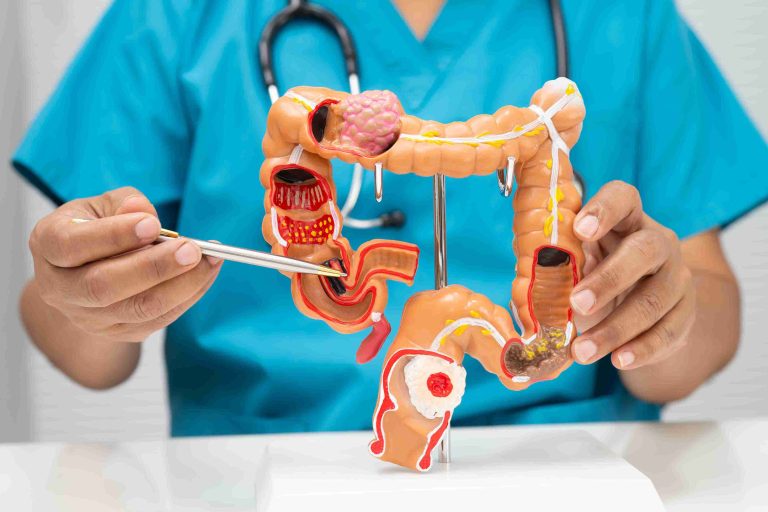
Colon pain originates specifically from the large intestine, which is responsible for absorbing water and forming stool. This type of pain is often associated with bowel conditions such as constipation, colitis, diverticulitis, inflammatory bowel disease, or colorectal cancer.
Unlike generalized abdominal pain, colon-related discomfort is more likely to be linked to changes in bowel habits. Patients may notice diarrhea, constipation, bloating, urgency, mucus in the stool, or rectal bleeding. These associated features provide important clues to the source of symptoms.
Location as a Diagnostic Clue
The location of discomfort plays a major role in diagnosis. Abdominal distress can be felt anywhere across the abdomen and may shift as the underlying condition evolves. For example, early appendicitis often begins near the navel before moving to the lower right side.
Colon pain is more commonly felt in the lower abdomen. The left lower quadrant is a frequent site due to the sigmoid colon, though right-sided colon conditions can cause pain on the opposite side. Pain related to bowel movement patterns is especially suggestive of colonic involvement.
Timing and Symptom Patterns
The timing of abdominal pain can reveal important information. Pain that occurs shortly after eating may suggest stomach or gallbladder involvement, while pain that improves after bowel movements may point toward the colon.
Colon pain often follows a predictable pattern related to stool passage. Cramping before defecation with partial relief afterward is common. Persistent or progressively worsening pain, however, should always be evaluated, especially if it disrupts daily activities or sleep.
Associated Symptoms Matter
Looking beyond the pain itself is essential. Abdominal pain accompanied by nausea, vomiting, fever, urinary symptoms, or menstrual irregularities may indicate involvement of organs outside the colon.
In contrast, colon pain is more often associated with bowel-specific symptoms such as persistent diarrhea, constipation, unexplained weight loss, anemia, or blood in the stool. These warning signs should prompt further investigation to rule out inflammatory or malignant conditions.
Duration and Severity
Short-lived abdominal pain that resolves within hours is often related to minor digestive upset. Pain that is severe, persistent, or progressively worsening over days to weeks raises concern for more serious pathology.
Colon pain may be chronic or recurrent in conditions like irritable bowel syndrome or inflammatory bowel disease. Acute, intense colon pain accompanied by fever or localized tenderness may indicate infection or inflammation requiring urgent care.
Diagnosis and Evaluation
Evaluating abdominal pain begins with a detailed history and physical examination. Clinicians assess location, quality, duration, triggers, and associated symptoms. Blood tests, urine studies, and imaging such as ultrasound or CT scans may be used to identify the source.
When colon involvement is suspected, stool studies, colonoscopy, or specialized imaging may be recommended. Accurate diagnosis ensures treatment is directed at the correct organ system and avoids unnecessary or ineffective therapies.
When to Seek Medical Attention
While many episodes of abdominal pain are mild and self-limiting, certain red flags should never be ignored. These include severe pain, persistent vomiting, high fever, fainting, or signs of internal bleeding such as black or bloody stools.
Colon pain accompanied by rectal bleeding, unexplained weight loss, anemia, or a family history of colorectal disease requires prompt medical evaluation. Early intervention can significantly improve outcomes and reduce complications.
Conclusion
Although the terms are often used interchangeably, abdominal pain and colon pain represent different clinical concepts. Abdominal pain is a broad symptom that may arise from many organ systems, while colon pain points more specifically to the large intestine and bowel function.
Understanding differences in location, timing, associated symptoms, and progression helps guide timely diagnosis and appropriate care. When pain is persistent, severe, or accompanied by concerning signs, seeking medical advice is always the safest and most effective approach.