Key Takeaways
- Endoscopy is a safe and essential diagnostic tool, but many misconceptions persist that may prevent timely procedures.
- Proper understanding of the procedure, preparation, and recovery helps reduce anxiety and ensures accurate results.
- Most myths about endoscopy, such as pain, complications, and recovery concerns, are based on outdated or inaccurate information.
- Being informed allows patients to make confident decisions about their gastrointestinal health and follow-up care.
Understanding Endoscopy
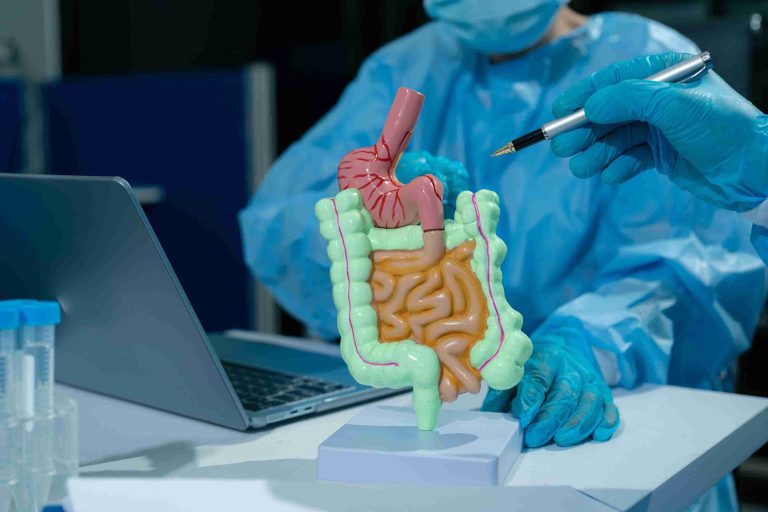
Endoscopy is a medical procedure that allows physicians to examine the digestive tract using a flexible tube equipped with a camera. Depending on the area of interest, different types of endoscopy may be performed, such as:
- Upper gastrointestinal (GI) endoscopy, examining the esophagus, stomach, and duodenum
- Colonoscopy, focusing on the large intestine
- Sigmoidoscopy, examining the lower colon and rectum
Endoscopy helps diagnose, monitor, and sometimes treat gastrointestinal conditions, including ulcers, inflammation, polyps, and tumors. Despite its widespread use, several myths persist that can discourage patients from undergoing this valuable procedure.
Myth 1: Endoscopy Is Extremely Painful
Truth: Most patients experience only mild discomfort. Local anesthetic sprays or sedation are used to minimize gag reflex and pain during endoscopy. We IV sedation, many report the procedure is more tolerable than anticipated, with discomfort limited to slight bloating or throat irritation afterward.
Myth 2: You Cannot Eat or Drink for Days
Truth: Preparation varies depending on the type of endoscopy. Typically, patients fast for 6–8 hours prior to upper GI endoscopy. Colonoscopy preparation may involve a clear liquid diet and laxatives the day before, but not prolonged starvation.
Myth 3: Endoscopy Is Dangerous
Truth: Endoscopy is generally very safe, especially when performed by trained gastroenterologists. Complications are rare, with minor risks including temporary throat soreness, bloating, or cramping. Serious complications like bleeding or perforation are uncommon, occurring in less than 1% of cases.
Myth 4: Endoscopy Is Only for People With Severe Symptoms
Truth: Endoscopy is recommended for both symptomatic patients and high-risk individuals. Screening endoscopies can detect early changes, such as polyps or precancerous lesions, before severe gastric pain, bleeding, or other symptoms develop. Early detection improves outcomes and may prevent more invasive treatments.
Myth 5: Sedation Makes Endoscopy Risky
Truth: Sedation is widely used to improve patient comfort and is safe when monitored by healthcare professionals. Sedation reduces anxiety, minimizes movement, and allows for precise examination. Patients recover quickly, usually within 1–2 hours after the procedure.
Myth 6: Endoscopy Is Only Diagnostic, Not Therapeutic
Truth: Modern endoscopy can be both diagnostic and therapeutic. During the procedure, doctors can remove polyps, control bleeding, dilate strictures, or take biopsies for further testing. This dual function allows patients to receive immediate treatment without additional invasive procedures.
Myth 7: Endoscopy Is Not Accurate
Truth: Endoscopy provides direct visualization of the gastrointestinal tract, making it one of the most accurate diagnostic tools for detecting ulcers, inflammation, tumors, and other abnormalities. Biopsies taken during endoscopy further improve diagnostic accuracy and guide treatment plans.
Myth 8: Recovery From Endoscopy Is Long and Difficult
Truth: Most patients resume normal activities the same day, particularly after upper GI endoscopy. Minor bloating, mild throat discomfort, or cramping is normal but resolves quickly. Patients who undergo sedation should rest for a few hours, but recovery is generally rapid.
Myth 9: Only Older Adults Need Endoscopy
Truth: While screening guidelines often target older adults, younger patients may also require endoscopy if they have persistent gastrointestinal symptoms, family history of GI diseases, or other risk factors. Early investigation ensures timely diagnosis and management, regardless of age.
Myth 10: Endoscopy Cannot Detect Cancer Early
Truth: Endoscopy is highly effective at detecting early-stage gastrointestinal cancers. Visual inspection and biopsy allow doctors to identify precancerous or malignant lesions before symptoms become severe. Early detection through endoscopy improves survival rates and may allow less invasive treatments.
Tips for a Comfortable Endoscopy Experience
To maximize comfort and outcomes during endoscopy, consider the following:
- Follow Pre-Procedure Instructions: Proper fasting and bowel preparation improve visualization and accuracy.
- Communicate Concerns: Inform your doctor about anxiety, prior experiences, or medical conditions.
- Arrange Transportation: Sedation may impair driving ability, so plan for someone to accompany you.
- Ask About Medications: Discuss any prescriptions, blood thinners, or supplements with your physician.
- Relaxation Techniques: Deep breathing or guided meditation can reduce stress before and during the procedure.
When to Consult a Healthcare Provider
Patients should seek guidance if they experience:
- Persistent gastric pain or abdominal discomfort
- Unexplained weight loss
- Blood in stool or vomiting
- Changes in bowel habits
- Family history of gastrointestinal cancer
Healthcare providers can determine whether an endoscopy is necessary and explain preparation, benefits, and potential risks.
Conclusion
Many myths about endoscopy are based on outdated information or misunderstandings. The procedure is safe, accurate, and often therapeutic, providing critical insight into gastrointestinal health. By understanding what to expect before, during, and after endoscopy, patients can reduce anxiety, prepare adequately, and participate actively in their healthcare decisions.
Debunking common misconceptions empowers individuals to embrace endoscopy as a reliable tool for early detection, monitoring, and treatment of digestive conditions. Timely endoscopy can prevent complications, improve management of gastrointestinal disorders, and enhance overall digestive health.