Key Takeaways
- A repeat gastroscopy may be recommended to monitor ongoing digestive issues, evaluate healing, or detect abnormalities.
- Proper preparation is essential to ensure accurate results and a safe procedure.
- Understanding what to expect before, during, and after gastroscopy helps reduce anxiety and complications.
- Following your healthcare provider’s instructions regarding diet, medications, and recovery enhances the effectiveness of the repeat procedure.
What is a Gastroscopy?
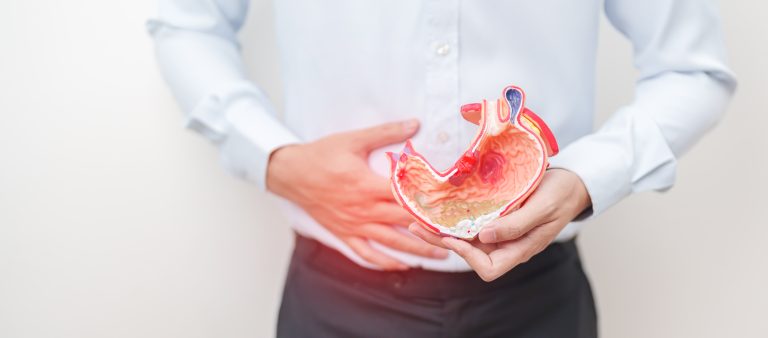
A gastroscopy is a diagnostic procedure that allows a doctor to examine the upper digestive tract, including the esophagus, stomach, and duodenum, using a flexible endoscope equipped with a camera. It helps detect conditions such as:
- Gastritis
- Ulcers
- Gastroesophageal reflux disease (GERD)
- Polyps or early-stage tumors
- Ongoing gastric pain or unexplained digestive symptoms
When initial findings require further monitoring or treatment evaluation, a repeat gastroscopy may be recommended.
Why a Repeat Gastroscopy May Be Needed
Several reasons can prompt your doctor to schedule a repeat gastroscopy:
- Monitoring Healing: For patients with ulcers, inflammation, or erosions, a follow-up procedure confirms that treatment is effective.
- Evaluating Persistent Symptoms: If gastric pain, nausea, or bloating persists despite treatment, a repeat gastroscopy test can identify the underlying cause.
- Biopsy Results: If initial biopsies were inconclusive or needed confirmation, repeat gastroscopy allows additional tissue sampling.
- Screening High-Risk Patients: Individuals with a family history of gastrointestinal cancer or chronic conditions may require periodic monitoring. Those that are found to have high risk lesions on first endoscopy may also need monitoring.
Understanding the purpose of your repeat gastroscopy procedure helps you prepare mentally and physically for the procedure.
How to Prepare for a Repeat Gastroscopy
1. Fasting Instructions
Typically, you should fast for 6–8 hours before the procedure. Avoid eating solid foods, milk, or alcohol. Clear fluids may be allowed up to 2–3 hours before the gastroscopy. Fasting ensures the stomach is empty, providing a clear view and reducing the risk of complications.
2. Medication Adjustments
Inform your doctor about all medications, including blood thinners, antacids, and diabetes medications. Your physician may adjust doses or temporarily pause certain drugs to prevent complications during the gastroscopy exam.
3. Medical History Review
Discuss previous findings, current symptoms, and any allergic reactions to anesthesia or sedatives. Provide details about past gastroscopy procedures, including biopsy results and treatment history.
4. Arrange Transportation
Sedation is commonly used during gastroscopy to minimize discomfort. Plan for a responsible adult to accompany you, as driving after sedation is unsafe.
What to Expect During the Gastroscopy
1. Sedation and Comfort Measures
Most repeat gastroscopy procedures use conscious sedation to relax the patient. Some patients may receive topical anesthetic spray to numb the throat, reducing gag reflex and discomfort.
2. Procedure Steps
The doctor gently inserts a flexible endoscope through the mouth and into the esophagus, stomach, and duodenum. The camera transmits images to a monitor, allowing the physician to identify abnormalities. If necessary, small biopsies or tissue samples are taken for laboratory analysis.
3. Duration
The procedure typically lasts 10–30 minutes, depending on whether biopsies or therapeutic interventions are required.
4. Pain and Discomfort
Most patients experience mild throat irritation, bloating, or cramping afterward. Sedation usually minimizes discomfort during the procedure, ensuring a smoother experience.
After the Repeat Gastroscopy
1. Recovery from Sedation
Recovery typically takes 1–2 hours. You may feel drowsy, lightheaded, or mildly bloated. Avoid driving, operating machinery, or making important decisions until fully alert.
2. Managing Minor Side Effects
Mild sore throat, belching, or bloating is common. Drinking warm liquids or soft foods may ease discomfort. Over-the-counter pain relief can be used if recommended by your doctor.
3. Follow-Up and Results
Biopsy results, if taken, may take several days to a week. Your doctor will review findings, discuss next steps, and adjust your treatment plan if necessary. Persistent gastric pain or new symptoms should be reported promptly.
Tips to Improve Gastroscopy Accuracy and Comfort
- Follow fasting instructions carefully to ensure clear visibility of the stomach lining.
- Avoid smoking or chewing gum before the procedure, as this may increase stomach acid.
- Stay hydrated until the fasting period begins.
- Relaxation techniques such as deep breathing or meditation can reduce anxiety and improve comfort.
- Communicate openly with your healthcare provider about past experiences or concerns, especially if you had discomfort during the previous gastroscopy.
Common Questions About Repeat Gastroscopy
1. Is it Safe to Have Multiple Gastroscopies?
Yes. Repeat gastroscopy is generally safe, especially when performed by experienced professionals. Risks are low, but your doctor will weigh the benefits and necessity of repeated procedures.
2. Can I Eat Normally After Gastroscopy?
Typically, you can resume normal eating once sedation wears off and your throat feels normal. Avoid very hot, spicy, or acidic foods immediately after to prevent irritation.
3. Will a Repeat Gastroscopy Hurt More Than the First?
Most patients experience similar or less discomfort due to familiarity with the procedure. Sedation and anesthetics help minimize pain, and prior experience can reduce anxiety.
4. How Soon Can I Resume Medications?
Follow your doctor’s instructions carefully regarding when to resume blood thinners, antacids, or other prescribed medications.
Conclusion
A repeat gastroscopy is an essential tool for monitoring digestive health, evaluating treatment effectiveness, and investigating persistent symptoms. Proper preparation, including fasting, medication adjustments, and transportation arrangements, ensures safety and accurate results.
Understanding what to expect during and after the procedure helps reduce anxiety, while lifestyle and dietary adjustments can support healing and symptom management. Whether monitoring gastric pain, evaluating biopsies, or assessing healing, a repeat gastroscopy provides invaluable information for long-term gastrointestinal health.
By following your healthcare provider’s instructions and maintaining open communication, you can maximize the benefits of repeat gastroscopy while minimizing risks and discomfort.