Key Takeaways
- The gut microbiome plays a critical role in digestive health, and imbalances can contribute to abdominal pain.
- Diet, including fiber intake, processed foods, and probiotics, significantly impacts gut microbial composition.
- Consistently managing dietary triggers can help reduce the frequency and severity of abdominal pain.
- Early recognition of dietary influences and gut health optimization improves long-term digestive comfort and overall wellness.
The Gut Microbiome and Digestive Health
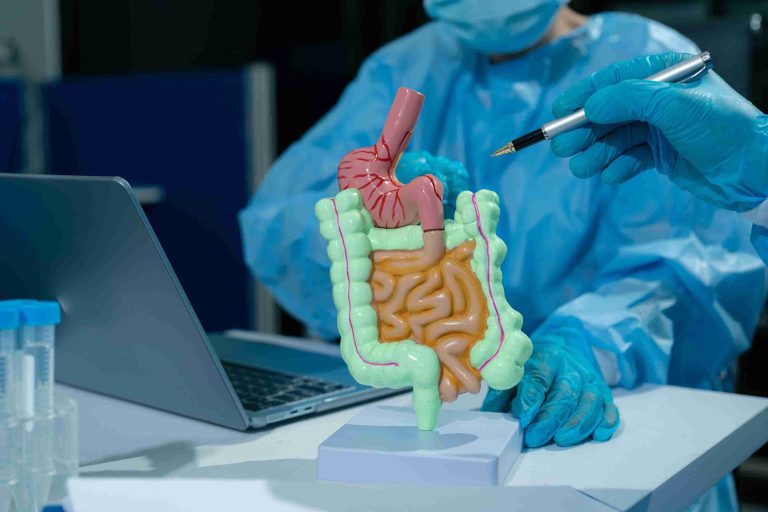
The gut microbiome refers to the trillions of microorganisms living in the digestive tract, including bacteria, viruses, and fungi. These microorganisms are essential for:
- Breaking down complex carbohydrates and fiber
- Synthesizing vitamins such as B12 and K
- Supporting immune system function
- Regulating digestion and bowel movements
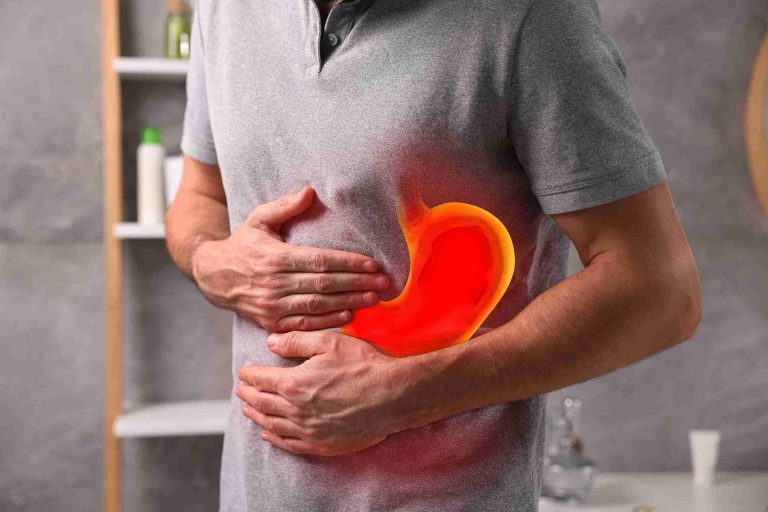
An imbalance in the gut microbiome, often referred to as dysbiosis, can lead to gastrointestinal disturbances, including bloating, irregular bowel habits, and abdominal pain.
How Dietary Choices Affect the Gut
What we eat has a profound effect on the gut microbiome, influencing both its diversity and functionality. Key dietary factors include:
1. Fiber Intake
Dietary fiber from fruits, vegetables, and whole grains promotes the growth of beneficial bacteria. Adequate fiber reduces inflammation, improves stool consistency, and can alleviate abdominal pain associated with constipation or irregular digestion.
2. Processed Foods and Sugars
High intake of refined sugars and processed foods encourages harmful bacterial growth. These foods can exacerbate inflammation and contribute to abdominal pain, bloating, and discomfort.
3. Probiotics and Fermented Foods
Foods like yogurt, kefir, and kimchi introduce beneficial bacteria to the gut. Probiotics support microbial balance, improve digestion, and may help reduce episodes of abdominal pain related to dysbiosis.
4. Fat and Protein Balance
Excessive saturated fats and red meat may disrupt microbial diversity. Plant-based proteins and healthy fats, such as those from nuts and fish, support gut health and mitigate digestive discomfort.
Mechanisms Linking Diet, Microbiome, and Abdominal Pain
Several mechanisms explain how dietary choices influence abdominal pain:
Altered Gut Microbiota
Unhealthy diets favor pathogenic bacteria over beneficial strains, leading to dysbiosis. Dysbiosis can cause inflammation, gas production, and irregular bowel movements, resulting in abdominal pain.
Increased Gas and Bloating
Certain carbohydrates, when poorly digested, are fermented by gut bacteria. This fermentation produces gas, leading to distension, bloating, and cramping, which are common forms of abdominal pain.
Intestinal Inflammation
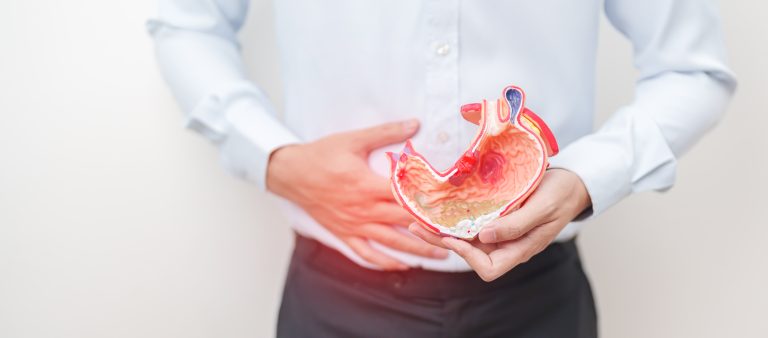
Processed foods and high sugar intake can promote inflammation of the gut lining. Inflamed tissues are more sensitive to acid, digestive enzymes, and bacterial metabolites, intensifying abdominal pain.
Slower Gut Motility
Low-fiber diets reduce gut motility, causing constipation and abdominal discomfort. Conversely, a fiber-rich diet supports regular bowel movements and decreases episodes of stomach pain.
Identifying Dietary Triggers
Keeping a food diary can help identify foods that worsen abdominal pain. Common triggers include:
- Spicy or fatty foods
- Carbonated drinks and caffeine
- Artificial sweeteners
- Excessive dairy in lactose-intolerant individuals
Tracking symptoms alongside dietary intake helps patients and healthcare providers develop tailored nutrition plans to minimize abdominal discomfort.
Dietary Strategies to Improve Gut Health
Emphasize Whole, Unprocessed Foods
Vegetables, fruits, whole grains, nuts, and seeds provide fiber and nutrients that support beneficial gut bacteria.
Include Probiotics
Fermented foods and supplements can restore microbial balance, supporting digestion and reducing abdominal pain.
Stay Hydrated
Adequate water intake aids digestion, softens stool, and prevents constipation-related abdominal pain.
Moderate Sugar and Processed Food Intake
Limiting refined sugars and processed foods helps reduce inflammation and harmful bacterial overgrowth, improving digestive comfort.
Balanced Macronutrients
Incorporate healthy fats, lean proteins, and complex carbohydrates to maintain a diverse and resilient microbiome.
Lifestyle Factors Beyond Diet
While diet is crucial, other lifestyle factors also influence gut health and abdominal pain:
- Regular Physical Activity: Stimulates gut motility and reduces constipation-related discomfort.
- Stress Management: Stress negatively affects gut microbiota and can increase sensitivity to abdominal pain.
- Adequate Sleep: Supports immune function and gut barrier integrity.
- Avoiding Excessive Antibiotics: Unnecessary antibiotic use can disrupt gut microbial balance and worsen abdominal pain.
When to Seek Medical Advice
Persistent or severe abdominal pain may indicate underlying conditions that require medical evaluation, including:
- Irritable bowel syndrome (IBS)
- Inflammatory bowel disease (IBD)
- Gastrointestinal infections
- Food intolerances or allergies
Consulting a healthcare provider allows for appropriate diagnostic testing, including stool analysis, endoscopy, or imaging, to identify the cause of abdominal pain and guide treatment.
Integrating Gut Health Into Daily Life
Optimizing gut health to manage abdominal pain involves a holistic approach:
- Combine dietary changes with regular physical activity and stress reduction.
- Monitor symptoms and adjust diet accordingly.
- Use probiotics or fermented foods to maintain microbial diversity.
- Engage with healthcare professionals for personalized guidance and monitoring.
Consistency in these habits ensures long-term benefits and reduces the risk of recurrent abdominal pain episodes.
Conclusion
The gut microbiome plays a central role in digestive health, and dietary choices directly influence its composition and functionality. Diets high in fiber and probiotics support beneficial bacteria and can reduce abdominal pain, while refined sugars and processed foods exacerbate inflammation, gas, and digestive discomfort.
By identifying dietary triggers, adopting gut-friendly nutrition, and integrating lifestyle changes such as exercise and stress management, individuals can significantly improve digestive comfort. Recognizing the connection between diet, gut microbiota, and abdominal pain empowers patients to take proactive steps toward long-term gastrointestinal health.