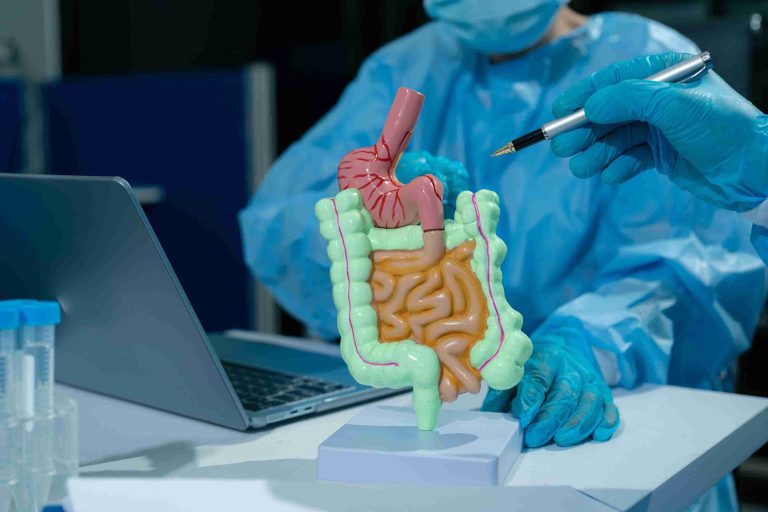
Discovering bright red blood in stools can be alarming. While it’s not always a sign of a serious condition, it’s also not something to ignore. Understanding what this symptom might indicate, what other signs to watch for, and when to seek medical advice can help ease anxiety and ensure appropriate action is taken. This article explores the possible causes, diagnostic processes, and when bright red blood in stools should raise concern.
What Does Bright Red Blood in Stools Mean?
Bright red blood in stools usually indicates bleeding somewhere in the lower gastrointestinal (GI) tract, such as the rectum, anus, or the last part of the colon. The vivid red color means the blood has not had much time to be digested, which suggests the bleeding is closer to the exit of the digestive system.
This is in contrast to black or tarry stools, which often point to bleeding higher up in the digestive tract, such as from the stomach or small intestine. While both types of blood in stools require attention, bright red blood can sometimes result from less severe conditions — though not always.
Common Benign Causes of Bright Red Blood
One of the most frequent causes of bright red blood in stools is hemorrhoids. These are swollen veins in the rectum or anus that can bleed during bowel movements. Although painful or itchy, hemorrhoids are not life-threatening and are easily treatable.
Another common cause is anal fissures, which are small tears in the lining of the anus, often resulting from constipation or passing hard stools. These too can cause noticeable bleeding and discomfort, particularly during or after defecation.
Occasionally, the blood may be from irritation caused by excessive wiping or minor trauma from hard stools. In such cases, the bleeding typically resolves on its own within a few days, especially if stool softeners and hydration are increased.
When the Bleeding Suggests a More Serious Condition
Although hemorrhoids and fissures are common explanations, bright red blood in stools can sometimes be a sign of something more serious. Polyps or colorectal cancer may also present with rectal bleeding, especially in people over 50 or with a family history of colorectal cancer.
Diverticulosis — small pouches in the colon wall — can sometimes rupture and cause sudden, noticeable bleeding. Similarly, inflammatory bowel diseases such as ulcerative colitis or Crohn’s disease can lead to chronic bleeding and inflammation of the intestines.
These conditions may also produce additional symptoms like abdominal pain, fatigue, weight loss, or changes in bowel habits. If the bleeding is accompanied by such symptoms, or if it becomes frequent or heavy, medical evaluation is crucial.
Who Is Most at Risk of Concerning Causes?
Certain individuals may be at higher risk of serious underlying conditions. These include people over 50 years old, those with a personal or family history of colon cancer or inflammatory bowel disease, individuals with prolonged constipation or chronic diarrhea, and those who notice changes in the color, shape, or frequency of their stools.
Smoking, heavy alcohol consumption, poor dietary habits, and obesity can also increase the risk of colorectal disease. If someone with these risk factors experiences rectal bleeding, even once, it warrants further medical investigation.
How Doctors Evaluate Blood in Stools
Medical evaluation typically starts with a detailed history and physical examination. Your doctor may ask when the bleeding started, how frequently it occurs, and if there are any accompanying symptoms such as abdominal pain or unexplained fatigue.
A rectal examination can help identify hemorrhoids or fissures. Depending on the findings, further diagnostic tools may be recommended. A fecal occult blood test or fecal immunochemical test (FIT) can check for hidden blood in the stool, which might not be visible to the naked eye.
More definitive diagnostic procedures include sigmoidoscopy or colonoscopy, which allow direct visualization of the lower or entire colon. These tests can identify polyps, tumors, or sites of inflammation and are vital for determining the cause of bleeding.
Why Early Detection Matters
Catching potential problems early can greatly influence outcomes, especially in the case of colorectal cancer. When detected in its early stages, colorectal cancer is highly treatable. Routine screening colonoscopies are recommended for average-risk individuals starting at age 50 — or earlier for those with risk factors.
Ignoring visible blood in stools can delay diagnosis and allow disease progression. Even if the cause turns out to be benign, knowing for sure provides peace of mind and opens up options for treatment to prevent recurrence.
Can You Prevent Blood in Stools?
While not all causes of bleeding are preventable, certain lifestyle measures can reduce the risk. A high-fiber diet helps maintain soft stools and reduces the likelihood of constipation, which is a key factor in both hemorrhoids and fissures.
Staying well-hydrated, exercising regularly, and avoiding prolonged sitting on the toilet can also protect against straining and pressure on the rectal area. For individuals with chronic digestive issues, early consultation with a gastroenterologist can lead to better long-term outcomes.
It’s also helpful to monitor stool changes over time. Keeping track of bowel movements, frequency, consistency, and any signs of bleeding can help detect patterns and aid diagnosis if you ever need to consult a doctor.
When Should You Seek Immediate Medical Help?
Some situations involving blood in stools require urgent attention. If the bleeding is profuse, accompanied by dizziness or fainting, or associated with severe abdominal pain, you should seek emergency care. These signs could indicate a significant internal bleed or another acute gastrointestinal issue.
Persistent or recurrent bleeding also deserves timely evaluation. Even if the bleeding seems minor, if it continues beyond a few days or comes back regularly, it should not be brushed off.
In elderly individuals or those with known health issues, any new sign of blood in stools may suggest a shift in an existing condition or the emergence of a new one. Medical professionals can determine the cause with proper tools and recommend next steps.
Conclusion
Bright red blood in stools is often due to benign issues like hemorrhoids or anal fissures, especially in younger, otherwise healthy individuals. However, it can also signal more serious problems like polyps, diverticular disease, or colorectal cancer — particularly when paired with other symptoms or risk factors.
The key is not to ignore the symptom or self-diagnose. Seeking medical advice ensures that the cause of blood in stools is identified accurately and treated appropriately. Whether it’s a minor irritation or a condition requiring more attention, taking action sooner rather than later is the best step for your digestive health.