Colonoscopy screening is one of the most effective tools for detecting colorectal cancer, identifying polyps, and preventing complications before they progress. While it is often recommended for adults beginning at age 45 or 50, depending on risk factors, not everyone is an ideal candidate. In some situations, undergoing colonoscopy screening may pose more harm than benefit. Understanding who should avoid this procedure is essential for making safe, informed health decisions.
Understanding Colonoscopy Screening
A colonoscopy is a procedure that allows doctors to examine the inside of the colon and rectum using a flexible tube with a camera. It helps identify polyps, inflammation, ulcers, and early signs of cancer.
For many individuals, the benefits of colonoscopy screening outweigh the risks. However, as with any medical procedure, there are exceptions. Factors such as age, existing medical conditions, and overall health status must be considered before proceeding.
Older Adults With Limited Life Expectancy
Colonoscopy screening is not always appropriate for older adults, especially those with a limited life expectancy.
When life expectancy is less than 10 years, the chances of benefiting from colon cancer detection decrease significantly. The procedure itself carries risks such as bleeding, perforation, and adverse reactions to sedation, which may outweigh the potential advantages.
Guidelines generally recommend stopping colonoscopy screening around age 75, though this depends on the individual’s overall health and medical history. Beyond age 85, colonoscopy screening is rarely recommended.
Patients With Severe Heart or Lung Conditions
Individuals with severe cardiovascular or pulmonary diseases may face complications from sedation during colonoscopy screening.
For example, patients with advanced heart failure or chronic obstructive pulmonary disease (COPD) may not tolerate the stress of the procedure. Sedation can lower oxygen levels, affect heart rhythm, and put extra strain on already weakened organs.
In these cases, less invasive screening alternatives such as stool-based tests may be safer.
People With Active Infections or Inflammatory Conditions
Colonoscopy exam should be avoided in people with active infections, severe colitis, or inflammatory bowel disease flare-ups.
Performing a colonoscopy when the colon is already inflamed increases the risk of perforation and bleeding. It can also worsen existing symptoms. Physicians typically recommend postponing the procedure until the condition stabilizes.
For individuals with chronic conditions like Crohn’s disease or ulcerative colitis, colonoscopies may still be necessary for long-term management, but timing is crucial.
Individuals With Bleeding Disorders
Patients with uncontrolled bleeding disorders are at higher risk of complications during colonoscopy procedure.
The procedure often involves the removal of polyps or tissue samples for biopsy, both of which may cause bleeding. If clotting ability is impaired, even minor interventions can become dangerous.
People taking blood-thinning medications such as warfarin, clopidogrel, or newer anticoagulants must be carefully evaluated. Doctors may adjust medications before the procedure, but in some cases, colonoscopy is not recommended.
Patients Recovering From Recent Abdominal Surgery
Those who have recently undergone abdominal or pelvic surgery may not be ready for colon cancer screening. Scar tissue, healing wounds, or weakened abdominal walls may increase risks during the procedure. Physicians often advise waiting several months after surgery to allow proper healing.
During the recovery period, other non-invasive tests might be considered instead of immediate colonoscopy.
People With Severe Diverticulitis
Bowel cancer screening is not recommended for patients experiencing acute diverticulitis. Diverticulitis occurs when small pouches in the colon wall become inflamed or infected. Performing a colonoscopy during an active episode can increase the chance of perforation and further infection.
Doctors usually suggest waiting until inflammation subsides before considering colonoscopy screening. Imaging studies like CT scans may be used in the meantime to monitor progress.
Individuals Who Cannot Tolerate Sedation
Colonoscopy screening almost always requires sedation to ensure comfort. However, some people cannot tolerate sedatives due to allergies, severe reactions in the past, or specific medical conditions.
While “unsedated colonoscopy” exists in certain countries, it is not widely practiced and can be uncomfortable. For patients who cannot undergo sedation, stool-based screening tests, sigmoidoscopy, or virtual colonoscopy may serve as alternatives.
Pregnant Women
Colonoscopy screening is generally avoided during pregnancy unless absolutely necessary. The risks of sedation, bowel preparation, and physical pressure on the uterus outweigh potential benefits in routine screening.
If a pregnant patient presents with severe gastrointestinal symptoms, doctors may use safer diagnostic methods like ultrasound or MRI until after delivery. Routine colonoscopy screening is usually postponed until after pregnancy to ensure safety for both mother and child.
People Unable to Complete Bowel Preparation
Successful colonoscopy screening requires thorough bowel preparation to clear the colon. Patients who cannot tolerate the preparation process may not be good candidates. Bowel prep involves drinking large volumes of liquid solutions, which can be difficult for individuals with swallowing difficulties, kidney disease, or electrolyte imbalances.
Incomplete preparation often results in poor visibility, making the procedure ineffective. For such individuals, alternative screening tests may be more practical.
Alternatives to Colonoscopy Screening
For patients who should avoid colonoscopy screening, several alternatives exist:
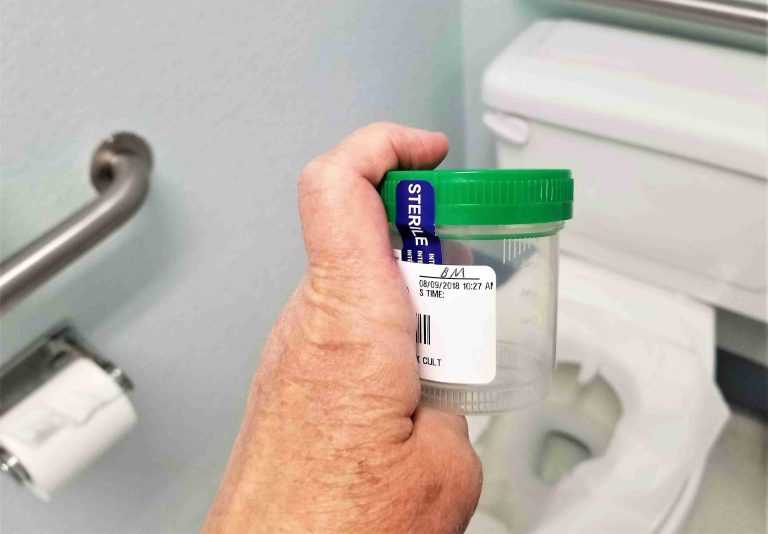
- Fecal Immunochemical Test (FIT): Detects hidden blood in stool samples.
- Fecal Occult Blood Test (FOBT): Another stool-based test that identifies traces of blood.
- Stool DNA Test: Looks for abnormal DNA linked to colorectal cancer.
- CT Colonography (Virtual Colonoscopy): Uses imaging technology to examine the colon without invasive instruments.
- Flexible Sigmoidoscopy: Examines only the lower part of the colon with less preparation.
These options can provide valuable screening insights without the risks associated with full colonoscopy.
Making the Right Decision
Deciding whether or not to undergo colonoscopy screening should always involve a detailed discussion with a healthcare professional. Every patient has unique risk factors, medical conditions, and personal preferences.
Doctors consider age, family history, lifestyle, and comorbidities when recommending the best screening method. In some cases, delaying or avoiding colonoscopy is the safest choice. In others, alternative methods can ensure continued monitoring of colon health.
Conclusion
Colonoscopy screening is an important tool in preventing and detecting colorectal cancer, but it is not suitable for everyone. Older adults with limited life expectancy, patients with severe medical conditions, those with active infections, and individuals unable to tolerate sedation or bowel prep may need to avoid the procedure.
Fortunately, there are effective alternatives available that can still provide valuable information about colon health. Making an informed decision with the guidance of a trusted healthcare provider is the best way to balance safety and prevention.