The presence of blood in stools can be alarming and may indicate an underlying medical condition that requires prompt evaluation. While it can sometimes be caused by minor issues such as hemorrhoids or anal fissures, it may also be a symptom of more serious conditions like gastrointestinal bleeding, colorectal cancer, or inflammatory bowel disease (IBD). Understanding the diagnostic process is crucial in determining the cause and ensuring timely medical intervention.
Many people may overlook the occasional presence of blood in stools, especially if it is not accompanied by other symptoms. However, any persistent occurrence, especially when paired with changes in bowel habits, unexplained weight loss, or abdominal pain, should not be ignored. Seeking medical evaluation early can improve outcomes and help prevent potential complications.
Initial Medical Consultation and History Taking
The first step in diagnosing the cause of blood in stools is a thorough medical consultation. A doctor will ask about the patient’s symptoms, including the duration, frequency, and appearance of the blood. Bright red blood may indicate bleeding from the lower gastrointestinal tract, while dark, tarry stools (melena) suggest bleeding higher up in the digestive system.
Doctors will also inquire about additional symptoms such as abdominal pain, changes in bowel movements, fatigue, or weight loss. Medical history, including family history of colorectal cancer or gastrointestinal disorders, is crucial in assessing potential risks. A physical examination, including a digital rectal exam, may be conducted to check for abnormalities in the rectum or anus.
Stool Tests for Blood Detection
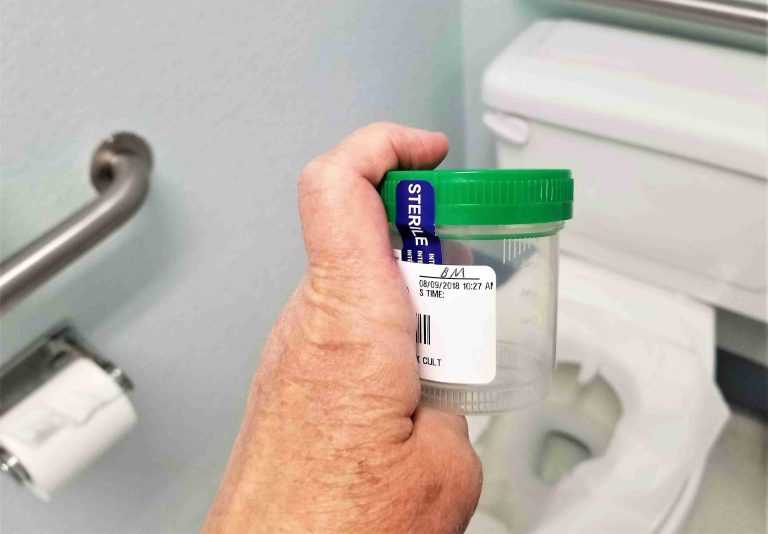
If visible blood is present in the stool, a stool test may be recommended to confirm and analyze the presence of blood. The fecal occult blood test (FOBT) and fecal immunochemical test (FIT) are commonly used to detect hidden (occult) blood that may not be visible to the naked eye.
FOBT requires multiple stool samples to detect any traces of blood. It is a chemical-based test that can help identify gastrointestinal bleeding. FIT, on the other hand, is a more specific test that detects human hemoglobin in the stool.
It is often preferred due to its higher accuracy and ease of use. If the test results are positive, further diagnostic procedures are required to determine the source of bleeding.
Endoscopic Examinations: Colonoscopy and Sigmoidoscopy
One of the most effective ways to diagnose the cause of blood in stools is through endoscopic examinations. A colonoscopy is considered the gold standard for evaluating gastrointestinal bleeding and identifying potential sources such as polyps, ulcers, or tumors. During this procedure, a long, flexible tube with a camera (colonoscope) is inserted into the rectum, allowing doctors to examine the entire colon.
For cases where the bleeding is suspected to be from the lower part of the colon, a sigmoidoscopy may be performed instead. This procedure is similar to a colonoscopy but focuses only on the rectum and lower portion of the colon. If any abnormalities are found during either procedure, tissue samples (biopsies) may be taken for further analysis.
Imaging Tests for Deeper Insights
In some cases, imaging tests are required to visualize parts of the digestive tract that cannot be assessed through endoscopy alone. A CT scan or MRI may be used to detect abnormalities such as tumors, diverticulosis, or inflammatory conditions. CT angiography can be particularly useful for identifying active bleeding sites in the gastrointestinal tract.
A barium enema may also be recommended in certain cases. This involves the introduction of a contrast material into the colon, followed by X-ray imaging to detect any structural abnormalities. While this test is less commonly used today due to advancements in endoscopic techniques, it remains an option when endoscopy is not feasible.
Laboratory Tests and Blood Analysis
In addition to stool and imaging tests, blood tests may be conducted to assess the overall health of the patient and check for signs of anemia or infection. A complete blood count (CBC) can help determine if the patient has low red blood cell levels, which may indicate chronic blood loss.
Other tests, such as iron studies, inflammatory markers, and liver function tests, may be ordered based on the suspected cause of bleeding. If an autoimmune condition such as Crohn’s disease or ulcerative colitis is suspected, specific antibody tests may be performed to aid in diagnosis.
Specialized Tests for Specific Conditions
Depending on the suspected underlying cause, additional specialized tests may be needed. For example, if an infection is suspected, stool cultures may be conducted to check for bacterial, viral, or parasitic infections. If inflammatory bowel disease is a concern, calprotectin and lactoferrin tests can help measure inflammation levels in the intestines.
Genetic testing may also be considered if there is a strong family history of colorectal cancer or hereditary conditions such as Lynch syndrome. In such cases, early detection and preventive screenings become even more critical in managing long-term health risks.
Interpreting Test Results and Next Steps
Once all necessary tests have been performed, the doctor will review the results and determine the most likely cause of blood in stools. If a treatable condition such as hemorrhoids or a minor gastrointestinal infection is diagnosed, appropriate medical or lifestyle interventions will be recommended.
For more serious conditions, such as colorectal cancer or inflammatory bowel disease, further discussions regarding treatment options, including surgery, medication, or lifestyle changes, will be necessary. In some cases, additional follow-up tests may be required to monitor the patient’s progress and response to treatment.
When to Seek Immediate Medical Attention
While some causes of blood in stools are relatively benign, certain situations require immediate medical attention. If the bleeding is excessive, accompanied by severe abdominal pain, dizziness, or signs of shock (such as rapid heartbeat and fainting), emergency care should be sought immediately.
It is also crucial to pay attention to the frequency and severity of symptoms. Persistent or worsening symptoms should never be ignored, as they could indicate a more serious condition that requires prompt medical intervention.
Conclusion
Understanding the diagnostic process for blood in stools is essential for ensuring timely and accurate medical evaluation. From initial consultations and stool tests to advanced imaging and endoscopic examinations, each step plays a crucial role in identifying the underlying cause of the condition.
Early detection can make a significant difference in treatment outcomes, particularly for conditions such as colorectal cancer and inflammatory bowel disease. If you notice blood in your stools, do not delay seeking medical advice. A thorough evaluation and proper diagnosis can lead to appropriate treatment and better long-term health.