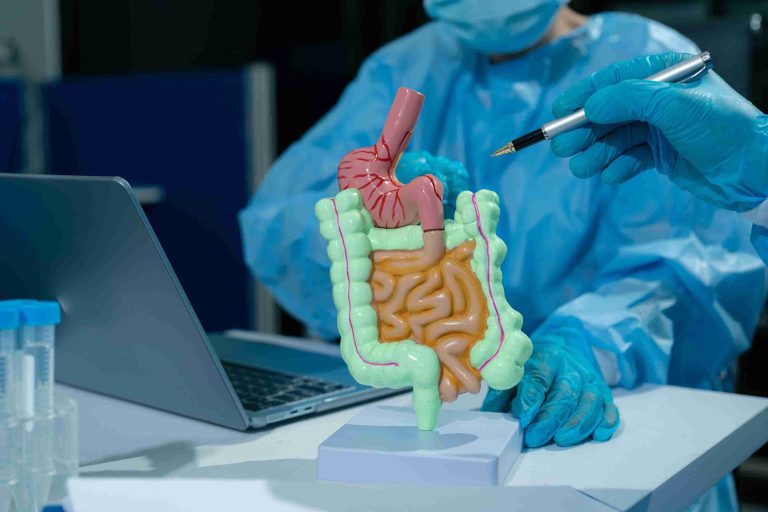
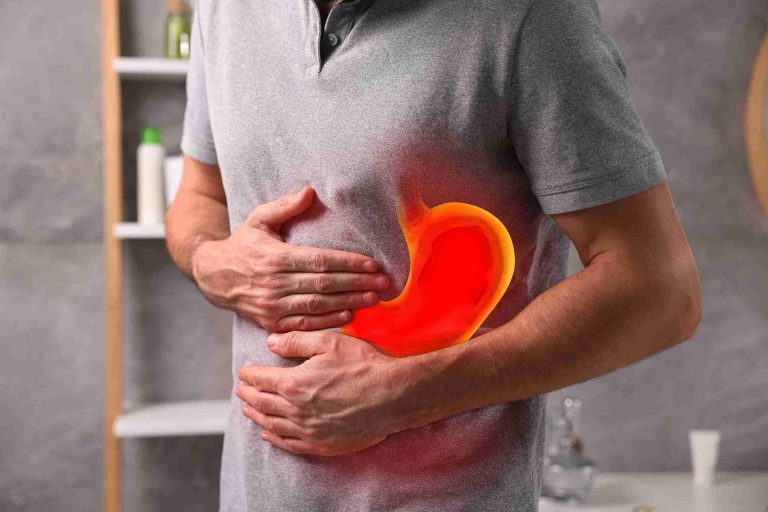
Abdominal pain is a common complaint that most people experience at some point in their lives. While many cases are harmless and resolve on their own, certain types of pain can signal a more serious underlying condition. Understanding when to seek medical attention can be the difference between early treatment and complications. Whether it’s a dull ache or a sharp cramp, abdominal pain shouldn’t always be brushed off. Here are the top 10 causes you shouldn’t ignore.
1. Appendicitis
Appendicitis is one of the most well-known causes of severe abdominal pain, especially among younger individuals. The pain typically starts near the belly button and then shifts to the lower right side. As inflammation worsens, the pain intensifies, often accompanied by fever, nausea, and loss of appetite. If untreated, the appendix can rupture, leading to life-threatening infection. Prompt surgical removal is the standard treatment.
2. Gallstones
Gallstones are hardened deposits of bile that can block the bile ducts, leading to intense pain in the upper right abdomen, particularly after eating fatty foods. The pain may radiate to the back or right shoulder and often comes in waves. In some cases, gallstones can lead to complications like cholecystitis (inflammation of the gallbladder), which may require surgery.
3. Pancreatitis
Pancreatitis is inflammation of the pancreas and can be acute or chronic. It causes upper abdominal pain that may spread to the back and worsen after meals. Other symptoms include nausea, vomiting, and fever. Chronic pancreatitis can lead to long-term digestive issues and diabetes. The condition is often caused by gallstones or excessive alcohol use and requires medical evaluation.
4. Peptic Ulcers
Peptic ulcers are sores that form on the lining of the stomach or the upper part of the small intestine, usually due to Helicobacter pylori infection or prolonged use of NSAIDs like ibuprofen. Symptoms include burning abdominal pain, bloating, and nausea. In severe cases, ulcers can bleed or perforate, requiring emergency treatment. Ulcers are often treatable with medication once properly diagnosed.
5. Kidney Stones
Kidney stones can cause excruciating pain that starts in the back or side and moves to the lower abdomen and groin as the stone passes through the urinary tract. The pain is typically sudden and sharp and may come with blood in the urine, nausea, or frequent urination. Small stones may pass on their own, but larger ones may need surgical intervention.
6. Inflammatory Bowel Disease (IBD)
Inflammatory bowel diseases, such as Crohn’s disease and ulcerative colitis, are chronic conditions that cause inflammation of the digestive tract. Symptoms include abdominal cramping, diarrhea, weight loss, and fatigue. If left untreated, IBD can lead to intestinal damage and serious complications. Treatment typically involves medication to control inflammation and immune response.
7. Intestinal Obstruction
An intestinal obstruction occurs when something blocks the normal movement of food and gas through the intestines. This causes cramping, bloating, vomiting, and inability to pass gas or stool. Obstructions can be caused by scar tissue, hernias, tumors, or impacted stool. It’s a medical emergency that often requires hospitalization and sometimes surgery to correct.
8. Gynecological Conditions
In women, various gynecological issues can cause lower abdominal pain. Conditions like ovarian cysts, endometriosis, pelvic inflammatory disease (PID), or ectopic pregnancy may present with cramping, bleeding, or bloating. These symptoms can sometimes mimic digestive problems, making it crucial for women to consider reproductive health in the differential diagnosis. Prompt evaluation can prevent serious complications, especially in cases like ectopic pregnancy.
9. Urinary Tract Infections (UTIs)
UTIs are common, especially among women, and can cause discomfort in the lower abdomen, along with burning urination and increased frequency. If the infection spreads to the kidneys, it can cause flank pain, fever, and nausea. UTIs are generally treatable with antibiotics, but delaying treatment increases the risk of complications.
10. Gastroenteritis
Gastroenteritis, often referred to as the stomach flu, is usually caused by viruses or bacteria. It leads to abdominal cramps, diarrhea, vomiting, and sometimes fever. While it often resolves on its own with rest and hydration, severe or prolonged cases—especially in the elderly or very young—may require medical attention to prevent dehydration or other complications.
When Should You See a Doctor?
Not all stomach pain needs emergency care, but certain symptoms should prompt a visit to the doctor. These include:
- Pain that is sudden, severe, or worsening
- Pain accompanied by fever, vomiting, or significant bloating
- Blood in stool or vomit
- Inability to pass gas or stool
- Pain following trauma or injury
- Persistent or recurrent discomfort interfering with daily activities
If the cause of your abdominal pain is unclear and not improving, it’s best to err on the side of caution and seek professional evaluation.
Diagnosing the Cause
To determine the underlying reason for abdominal pain, your doctor will take a thorough medical history and perform a physical examination. Depending on your symptoms, they may order:
- Blood or urine tests
- Imaging (ultrasound, CT scan, or X-ray)
- Endoscopy or colonoscopy
- Stool sample testing
The goal is to identify whether the pain is caused by inflammation, obstruction, infection, or another issue.
Preventing Abdominal Pain
While not all causes are preventable, certain lifestyle changes can reduce your risk:
- Stay hydrated and eat a fiber-rich diet to prevent constipation and digestive discomfort
- Limit excessive alcohol consumption, which can damage the pancreas and stomach
- Manage stress, which can trigger or worsen irritable bowel symptoms
- Avoid self-medicating with NSAIDs unless necessary, as they can lead to ulcers
- Practice safe sex to reduce the risk of pelvic infections
- Regularly screen for chronic conditions if you have a family history of digestive or reproductive illnesses
By staying aware of your body and recognizing unusual or persistent symptoms, you can take control of your health and catch potential issues early.
Conclusion
While abdominal pain is common and often harmless, certain causes can be serious or even life-threatening. Whether it’s appendicitis, gallstones, or an underlying chronic condition, prompt recognition and treatment are key to avoiding complications.
Listen to your body. If something feels wrong—especially if the pain is new, worsening, or accompanied by other symptoms—don’t ignore it. Your health may depend on timely action and proper diagnosis.