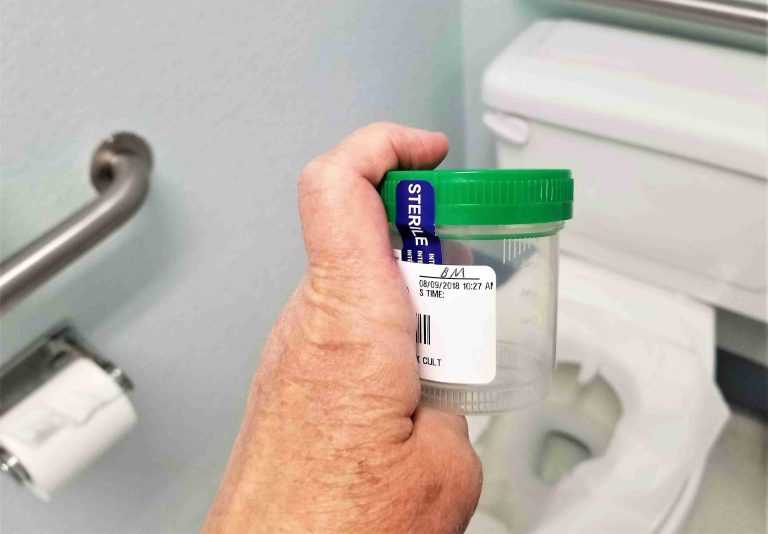
Colonoscopy screening is a crucial procedure used to detect abnormalities in the colon and rectum, including precancerous polyps and colorectal cancer. It is recommended as a preventive measure for adults, especially those at an increased risk due to age, lifestyle factors, or a family history of colorectal cancer. Early detection through colonoscopy screening can significantly improve treatment outcomes and reduce mortality rates associated with colorectal cancer.
When discussing colonoscopy screening, it is essential to recognize the impact of genetics. While lifestyle choices and environmental factors contribute to colorectal cancer risk, family history plays a significant role in determining an individual’s susceptibility to the disease. Understanding how family history influences colorectal cancer risk can help individuals make informed decisions about when and how often to undergo screening.
How Family History Affects Colon Cancer Risk
A family history of colorectal cancer increases the likelihood of developing the disease. If a first-degree relative (parent, sibling, or child) has been diagnosed with colorectal cancer, the risk of developing the disease is nearly doubled compared to someone without a family history. The risk is even higher if multiple relatives have been diagnosed or if the cancer was detected at a young age.
Genetic predisposition can also be linked to hereditary conditions, such as Lynch syndrome (hereditary nonpolyposis colorectal cancer) and familial adenomatous polyposis (FAP), which further increase the likelihood of developing colorectal cancer. Individuals with these conditions typically require earlier and more frequent colonoscopy screening to detect potential abnormalities at the earliest possible stage.
The Importance of Early and Frequent Screening
For individuals with a family history of colorectal cancer, standard screening recommendations may not be sufficient. The American Cancer Society and other medical organizations recommend that individuals with a first-degree relative diagnosed with colorectal cancer before the age of 60 begin screening at age 40 or ten years earlier than the age at which their relative was diagnosed.
More frequent colonoscopies may also be necessary. Instead of the standard ten-year interval for average-risk individuals, those with a family history may require screenings every five years. This increased frequency ensures that any abnormal growths are detected and removed before they can progress into cancer.
Genetic Testing and Personalized Screening Plans
Genetic testing is available for individuals with a strong family history of colorectal cancer. This testing can help identify genetic mutations associated with hereditary cancer syndromes, allowing for a more tailored screening plan. If genetic testing confirms the presence of mutations linked to Lynch syndrome or FAP, healthcare providers may recommend even earlier and more aggressive screening strategies.
Discussing genetic testing with a healthcare provider can provide valuable insights into personal cancer risk. Even if genetic testing is not pursued, an individual’s family history alone is sufficient to warrant enhanced screening protocols. Personalized screening plans, developed in consultation with a healthcare provider, ensure that individuals at higher risk receive the necessary surveillance to detect and prevent colorectal cancer.
Lifestyle Modifications to Reduce Risk
While family history is not a modifiable risk factor, adopting a healthy lifestyle can help reduce the overall risk of colorectal cancer. A diet rich in fiber, fruits, and vegetables, combined with regular physical activity, can promote a healthy digestive system. Avoiding tobacco, limiting alcohol consumption, and maintaining a healthy weight are additional measures that can help lower colorectal cancer risk.
For individuals with a family history of colorectal cancer, lifestyle modifications should be complemented by regular colonoscopy screening. While these preventive measures do not eliminate the risk, they can contribute to overall colon health and may help delay or prevent the development of cancerous growths.
Barriers to Colonoscopy Screening and Overcoming Them
Despite the clear benefits of colonoscopy screening, several barriers prevent individuals from undergoing regular screenings. Fear of the procedure, concerns about discomfort, lack of awareness, and financial constraints are common reasons why people delay or avoid screening. For individuals with a family history of colorectal cancer, overcoming these barriers is essential to ensuring early detection and intervention.
Healthcare providers can help address these concerns by explaining the procedure in detail, offering sedation options, and discussing financial assistance programs for those who may have difficulty affording the screening. Raising awareness about the importance of screening and emphasizing the role of family history in determining risk can also encourage individuals to prioritize their health.
The Role of Healthcare Providers in Family History Assessments
Healthcare providers play a vital role in assessing family history and recommending appropriate screening schedules. During routine check-ups, individuals should discuss their family history with their doctors, providing details about any relatives diagnosed with colorectal cancer, including their age at diagnosis and any other known hereditary conditions.
By gathering this information, healthcare providers can determine the appropriate screening timeline and frequency. They may also recommend additional diagnostic tests or referrals to a genetic counselor if hereditary cancer syndromes are suspected. Ensuring open communication with healthcare professionals is essential in receiving the best preventive care.
Encouraging Family Members to Get Screened
If an individual is at increased risk due to a family history of colorectal cancer, their relatives may also be at risk. Encouraging family members to undergo screening can help detect potential cases early and improve overall health outcomes within the family. Open discussions about colonoscopy screening, the importance of early detection, and genetic factors can motivate family members to take proactive steps in their healthcare.
Family gatherings, health awareness campaigns, and discussions with healthcare providers can all serve as opportunities to educate relatives about the significance of screening. By taking collective action, families can work together to reduce the impact of colorectal cancer.
Conclusion
Family history plays a critical role in determining the need for early and frequent colonoscopy screening. Individuals with a first-degree relative diagnosed with colorectal cancer are at a significantly higher risk and should begin screening earlier than the general population. Genetic testing and personalized screening plans can further refine preventive strategies, while lifestyle modifications can help mitigate some of the risks.
Overcoming barriers to screening and maintaining open communication with healthcare providers are essential steps in ensuring timely detection and intervention. Encouraging family members to undergo screening can further enhance preventive efforts and contribute to better health outcomes. By understanding the connection between family history and colonoscopy screening, individuals can take proactive measures to safeguard their health and reduce the likelihood of colorectal cancer development.