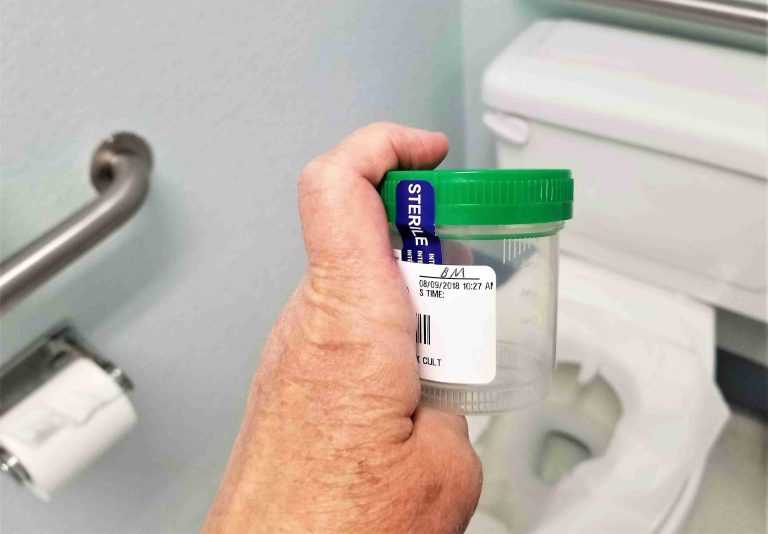
Noticing blood in stools can be a shocking and worrying experience. While occasional spotting might not seem alarming, it’s essential to understand the potential risks of ignoring this symptom. Blood in stools can indicate a range of health conditions, from minor issues like hemorrhoids to more serious concerns such as colorectal cancer.
Ignoring blood in stools for an extended period can lead to severe complications, delayed diagnoses, and poorer health outcomes. This article delves into the long-term risks associated with neglecting the presence of blood in stools and why timely medical attention is crucial.
What Does Blood in Stools Indicate?
Blood in stools can present itself in various forms: bright red blood, dark or black stools, or even maroon-colored stool. The color and consistency of the blood can often provide clues about where the bleeding is coming from within the digestive tract.
Bright red blood typically signals bleeding near the anus, often caused by hemorrhoids or anal fissures, while dark or black stools suggest bleeding higher up in the gastrointestinal tract, such as the stomach or intestines.
Regardless of the cause, blood in stools should never be ignored. It is a clear sign that something is wrong, and delaying medical attention can worsen the condition and complicate treatment options.
The Risk of Delayed Diagnosis
Ignoring blood in stools can lead to a delayed diagnosis of potentially serious conditions. Many gastrointestinal disorders can cause bleeding, including but not limited to:
- Hemorrhoids: Swollen blood vessels around the anus, causing bleeding during bowel movements.
- Anal fissures: Small tears in the skin around the anus, often leading to pain and bleeding.
- Diverticulosis and diverticulitis: Conditions where pouches form in the colon, leading to bleeding and discomfort.
- Polyps: Benign growths in the colon or rectum, which can bleed and have the potential to develop into cancer if left untreated.
- Colorectal cancer: One of the most serious causes of blood in stools, where tumors in the colon or rectum can bleed, often without pain.
A failure to address blood in stools in the early stages can result in advanced disease, making treatment more complex and less effective. For instance, colorectal cancer is highly treatable in its early stages, but if left undiagnosed for too long, it can spread to other parts of the body, significantly reducing survival rates.
Complications of Unaddressed Digestive Issues
When the underlying causes of blood in stools go untreated, complications can arise. These complications depend on the nature of the problem but can include:
1. Chronic Blood Loss
If the bleeding persists over time, it can lead to chronic blood loss, potentially causing iron-deficiency anemia. Anemia occurs when the body doesn’t have enough healthy red blood cells to carry oxygen throughout the body, leading to fatigue, weakness, and shortness of breath. This is often a sign that the body is struggling to replace the lost blood, especially if the bleeding is slow and unnoticed.
2. Severe Infections
Certain conditions that cause blood in stools, such as diverticulitis or inflammatory bowel diseases (IBD) like Crohn’s disease or ulcerative colitis, can lead to infections if left untreated. Infections can result in sepsis, a life-threatening condition where the body’s response to infection damages tissues and organs. Early intervention is crucial in preventing such complications.
3. Obstruction and Blockage
Diseases such as colorectal cancer or diverticular disease can lead to bowel obstructions. These blockages can cause severe pain, vomiting, and even rupture of the intestines, leading to peritonitis, a dangerous infection of the abdominal cavity. Timely treatment helps prevent such complications from developing.
The Link Between Blood in Stools and Colorectal Cancer
One of the most significant risks of ignoring blood in stools is the potential for colorectal cancer. This form of cancer is the second most common cancer in both men and women worldwide and is often diagnosed through screening or when symptoms such as blood in stools are noticed.
Early detection significantly improves survival rates, with a 5-year survival rate of about 90% for those diagnosed at an early stage.
Unfortunately, many individuals delay seeking help when they notice blood in stools, mistakenly attributing it to less severe conditions like hemorrhoids. However, in cases where the blood is from cancerous tumors, the longer it goes undiagnosed, the more difficult and less effective the treatment becomes. Colonoscopies and other diagnostic tests can identify potential cancer before symptoms like bleeding become more pronounced, underscoring the importance of seeking medical attention early.
Preventing Further Damage
By seeking medical attention promptly when blood in stools appears, patients can prevent the progression of underlying conditions. For example, early treatment for hemorrhoids or anal fissures can alleviate symptoms and prevent the need for surgical intervention. For more serious conditions like diverticulitis or colorectal cancer, early detection and treatment can improve prognosis and quality of life.
Some of the preventive steps that may be recommended by doctors include:
- Dietary changes: A high-fiber diet can reduce the risk of constipation, hemorrhoids, and diverticulosis. Fiber also helps promote overall digestive health.
- Medications: For conditions like IBD or infections, medications can help manage symptoms and prevent flare-ups.
- Regular screenings: Individuals at risk for colorectal cancer should undergo regular screenings, such as colonoscopies, to catch any abnormalities early.
The Psychological Impact of Ignoring Symptoms
Aside from the physical risks, ignoring blood in stools can also take a psychological toll. The uncertainty and fear of not knowing the cause of the bleeding can lead to anxiety and stress. The longer one waits to seek help, the more the worry can grow.
This mental burden can lead to avoidance of medical care altogether, exacerbating the problem and making it even more difficult to address when the time comes.
Conversely, seeking help early can alleviate these fears by providing clarity and treatment options. While many causes of blood in stools are treatable, knowing what is causing the bleeding can help reduce anxiety and allow patients to focus on their recovery.
When to See a Doctor
It is crucial to see a doctor if you notice blood in stools, even if the bleeding seems minor or infrequent. Seeking medical advice early can lead to quicker diagnoses and more effective treatments. Don’t hesitate to make an appointment if:
- You notice blood mixed with stool or on toilet paper.
- You experience ongoing abdominal pain, discomfort, or changes in bowel habits.
- The blood is dark or black, which could indicate internal bleeding.
- You have other risk factors for gastrointestinal diseases, such as a family history of colorectal cancer.
Conclusion
The long-term risks of ignoring blood in stools can be serious, including delayed diagnoses, worsening health conditions, and potentially life-threatening complications. Whether the bleeding is due to minor issues like hemorrhoids or more severe conditions like colorectal cancer, seeking medical attention early is crucial.
By addressing blood in stools promptly, you can reduce the risk of complications, improve your chances of successful treatment, and maintain your overall health. Always consult a healthcare professional if you notice any signs of blood in your stool, and don’t wait until it becomes a bigger problem. Your health is worth the attention and care.