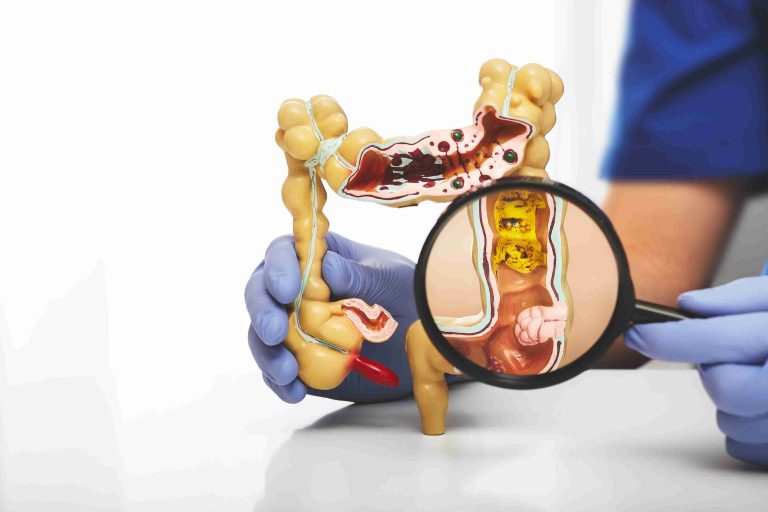
Abdominal pain is a common but distressing symptom that can arise from various causes, ranging from mild digestive discomfort to serious medical conditions. When a loved one is experiencing abdominal pain, it can be difficult to determine the best way to offer help. Understanding the potential causes and emotional toll it takes can equip you with the right approach to support them effectively.
The experience of abdominal pain can be both physically and emotionally taxing. It may limit a person’s ability to carry out daily activities, affecting their mood and overall well-being. Whether the pain is acute or chronic, knowing how to provide comfort and encouragement can make a significant difference in their recovery process.
Offering Emotional Support
One of the most crucial aspects of supporting a loved one with abdominal pain is acknowledging their discomfort and validating their feelings. Pain, especially when persistent or unexplained, can lead to frustration and anxiety. Letting them know you are there for them can provide reassurance and ease emotional distress.
Encouraging open communication is essential. Ask how they are feeling and listen attentively without dismissing their concerns. Avoid minimizing their pain or suggesting that it is insignificant. Instead, offer empathetic responses such as, “I understand that this must be really difficult for you.” Sometimes, simply being present and offering a comforting presence can help reduce their stress levels.
Assisting with Symptom Management
While you may not be able to relieve their pain entirely, there are several ways to help manage their symptoms. Encouraging them to rest and avoid strenuous activities can allow their body to recover. Ensuring they stay hydrated is also crucial, as dehydration can worsen certain conditions that cause abdominal pain.
You can help by preparing light, easily digestible meals, especially if their pain is related to digestion. Foods such as rice, bananas, applesauce, and toast are often gentle on the stomach. If they are experiencing nausea or bloating, herbal teas like peppermint or ginger may provide relief.
Monitoring their symptoms and noting any changes can also be beneficial. If their pain worsens or is accompanied by symptoms such as fever, vomiting, or blood in the stool, it is important to encourage them to seek medical attention.
Encouraging Medical Evaluation
If the abdominal pain persists or becomes severe, seeking medical advice is essential. Some individuals may hesitate to visit a doctor due to fear, inconvenience, or uncertainty. Gently encouraging them to consult a healthcare professional can help ensure they receive the necessary evaluation and treatment.
You can offer to accompany them to medical appointments, as having a supportive presence can make the experience less intimidating. Helping them prepare for the visit by making a list of symptoms, their duration, and any potential triggers can assist the doctor in diagnosing the issue more effectively.
In cases where emergency care is needed—such as when the pain is sudden and severe, or accompanied by symptoms like shortness of breath or confusion—it is important to act swiftly. Calling for medical assistance or taking them to the emergency room can be life-saving.
Assisting with Daily Responsibilities
Chronic or severe abdominal pain can make it difficult for a person to carry out everyday tasks. Offering practical support, such as running errands, cooking meals, or handling household chores, can ease their burden and allow them to focus on recovery.
If they have children or pets, stepping in to help with caregiving responsibilities can also be a great relief. Even small gestures, such as bringing them a warm compress or adjusting their pillows for comfort, can make a meaningful difference in their well-being.
Encouraging a Positive Mindset
Dealing with persistent pain can take a toll on a person’s mental health, leading to feelings of helplessness or frustration. Encouraging a positive mindset can play a crucial role in their ability to cope with discomfort.
Engaging in lighthearted activities, such as watching a favorite movie or listening to calming music, can provide a welcome distraction from the pain. Offering words of encouragement and reminding them of their resilience can also help uplift their spirits.
However, if you notice signs of emotional distress or depression, it may be beneficial to suggest speaking with a counselor or mental health professional. Chronic pain can impact mental well-being, and addressing both the physical and emotional aspects of their experience is important for holistic healing.
Educating Yourself About Their Condition
If your loved one has a diagnosed condition that causes abdominal pain, taking the time to educate yourself about it can help you provide better support. Understanding their symptoms, triggers, and treatment options allows you to offer informed assistance and show them that you genuinely care about their well-being.
Researching dietary modifications, potential lifestyle adjustments, and medical treatments can also help you offer helpful suggestions without overstepping boundaries. However, it is important to respect their autonomy and follow their lead regarding what support they need.
Respecting Their Boundaries
While offering help is important, it is equally crucial to respect your loved one’s boundaries. Some individuals may prefer to manage their pain privately, and pushing them to accept assistance may cause unnecessary stress.
Pay attention to their cues and ask how you can best support them. If they express the need for space, reassure them that you are available whenever they are ready to seek help. Providing support without being overbearing allows them to maintain a sense of control over their situation.
Recognizing When to Seek Additional Support
In some cases, abdominal pain may indicate a serious medical condition that requires long-term management. If your loved one struggles to cope with persistent pain or experiences difficulty in daily functioning, encouraging them to seek specialized medical care can be beneficial.
Additionally, if you are a primary caregiver, it is essential to recognize your own emotional and physical limits. Providing care can be demanding, and seeking support from other family members, friends, or professional caregivers can help prevent burnout. Remember that taking care of yourself allows you to be a more effective source of support for your loved one.
Conclusion
Supporting a loved one experiencing abdominal pain requires patience, empathy, and practical assistance. By offering emotional reassurance, helping with symptom management, encouraging medical evaluation, and respecting their boundaries, you can make a meaningful difference in their healing journey.
Educating yourself about their condition and maintaining a positive approach can further strengthen your role as a supportive companion. Ultimately, your presence and understanding can provide the comfort and stability they need to navigate this challenging experience with greater ease.