Medical emergencies often demand swift action, especially when they involve bleeding, obstruction, or unexplained gastrointestinal distress. In such cases, gastroscopy—a diagnostic and therapeutic procedure—can be a critical tool in both identifying and managing life-threatening conditions.
Unlike scheduled gastroscopies, which are performed for chronic issues like acid reflux or routine checks for ulcers, emergency gastroscopies occur under urgent conditions, usually within 24 hours of hospital admission.
This article explores when gastroscopy is considered an emergency procedure, the conditions it addresses, how it’s performed under pressure, and what patients and caregivers should expect during such high-stakes situations.
When is Gastroscopy an Emergency?
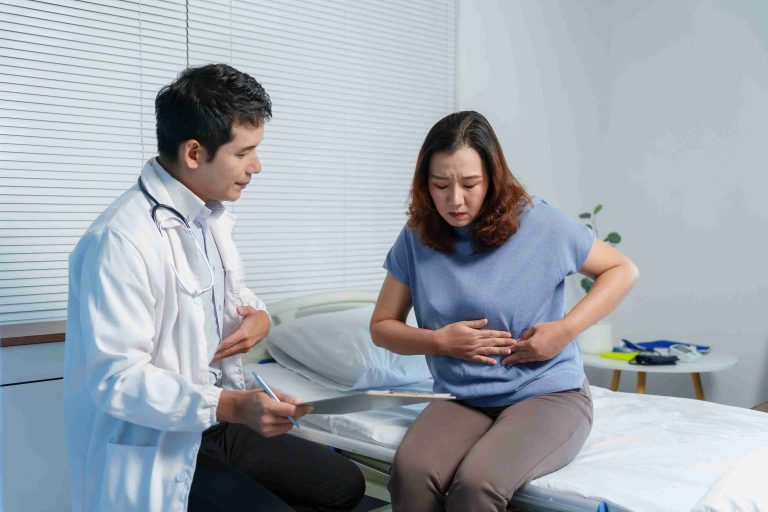
In emergency medicine, timing can mean the difference between recovery and serious complications. Gastroscopy becomes an emergency intervention when a patient presents symptoms that suggest significant upper gastrointestinal (GI) pathology. These symptoms may include vomiting blood (hematemesis), passing black or tarry stools (melena), unexplained severe abdominal pain, difficulty swallowing, or suspected ingestion of toxic or foreign substances.
When these symptoms occur, physicians often suspect issues such as bleeding ulcers, ruptured varices, or a gastric tumor. Delaying diagnosis or treatment could result in major blood loss, perforation of the stomach or esophagus, or sepsis. In such situations, immediate gastroscopy allows doctors to directly view the upper GI tract and often intervene at the same time.
Conditions That Warrant Emergency Gastroscopy
Several conditions may necessitate emergency gastroscopy. One of the most common is upper gastrointestinal bleeding, often caused by peptic ulcers or esophageal varices. Peptic ulcers may bleed if they erode into nearby blood vessels, while varices—dilated veins in the esophagus typically associated with liver disease—can rupture without warning.
Another situation that calls for urgent endoscopic evaluation is foreign body ingestion. Children, individuals with psychiatric conditions, or those with cognitive impairment may swallow objects like coins, batteries, or sharp items, leading to immediate danger. A gastroscopy can identify and safely remove these objects before they move into the lower digestive tract or cause complications.
Other conditions include food impaction in the esophagus, caustic ingestion (such as swallowing cleaning agents), or acute gastric outlet obstruction. All of these can cause severe distress and, if not managed promptly, may result in long-term damage or death.
Preparing for an Emergency Gastroscopy
In a routine setting, patients are asked to fast for several hours before a gastroscopy. However, in emergencies, time is of the essence. Preparation is streamlined, and the risks of proceeding without full fasting are weighed against the dangers of delaying the procedure.
Doctors typically insert an IV line to administer fluids and medications. If the patient is bleeding or unstable, vital signs are monitored closely, and blood transfusions may be initiated. In some cases, intubation (a breathing tube) is required to protect the airway, particularly if the patient is vomiting blood.
Consent is still obtained where possible, and family members may be informed about the situation and the urgency involved. Sedation or general anesthesia may be used depending on the patient’s condition and the anticipated complexity of the procedure.
How the Procedure is Performed Under Urgent Conditions
Emergency gastroscopy is performed using a thin, flexible tube with a camera and light source at the end, known as a gastroscope. The scope is passed through the mouth and into the esophagus, stomach, and duodenum. The camera allows the physician to identify bleeding points, ulcers, tears, tumors, or foreign bodies.
In many cases, the procedure is not just diagnostic—it is therapeutic. For example, if bleeding is identified, tools can be passed through the scope to stop it. These may include clips, thermal coagulation devices, or injection needles that deliver substances to constrict blood vessels.
If a foreign object is found, retrieval devices like baskets or forceps can be used to remove it. If strictures or blockages are present, balloon dilators may help open the passageway. The ability to both diagnose and treat in one session makes gastroscopy an invaluable tool in emergency medicine.
Risks and Complications
While gastroscopy is generally considered safe, emergency situations can increase the risk of complications. Factors like the patient’s unstable condition, incomplete fasting, or active bleeding can complicate both the procedure and recovery.
Possible complications include aspiration (inhaling stomach contents into the lungs), reaction to sedatives, or injury to the GI tract lining. In cases involving caustic ingestion or sharp foreign objects, the risk of perforation is higher.
That said, the benefits of emergency gastroscopy often far outweigh the risks, especially when the procedure helps stabilize the patient or prevents further deterioration.
Post-Procedure Recovery and Monitoring
After an emergency gastroscopy, patients are taken to a recovery area for close monitoring. If bleeding was the issue, doctors will check for signs of ongoing blood loss, such as low blood pressure or continued blood in stools. Repeat blood tests are done to track hemoglobin levels and organ function.
Patients may be admitted to a general ward or intensive care unit depending on the severity of their condition. If a foreign body was removed or a blockage resolved, diet may be gradually reintroduced. In cases of caustic ingestion, further imaging and specialist input may be needed.
Follow-up care is crucial. Additional gastroscopies or scans may be required to ensure healing, particularly in patients with ulcers or underlying cancer. Lifestyle changes, medication, or surgery may also be part of the long-term management plan.
When to Seek Immediate Medical Attention
Knowing when to seek help can save lives. Individuals should go to the emergency room immediately if they experience:
- Vomiting of blood or what looks like coffee grounds
- Sudden onset of black, tarry stools
- Severe or persistent upper abdominal pain
- Difficulty swallowing or a sensation of food stuck in the throat
- Known ingestion of a harmful substance or sharp object
Delaying treatment in these situations can lead to rapid deterioration. Quick intervention via gastroscopy can prevent further complications, offering both diagnosis and immediate relief.
Conclusion
Emergency gastroscopy represents the intersection of speed, skill, and technology in modern medicine. It enables healthcare professionals to act swiftly in diagnosing critical issues within the upper GI tract and offers immediate therapeutic options that could mean the difference between life and death.
While not without risks, the procedure’s ability to provide real-time insight and treatment makes it indispensable in emergency care. Patients and caregivers should understand the role it plays and the conditions under which it becomes necessary. In a crisis, being informed helps foster trust and confidence in the healthcare team’s decisions.