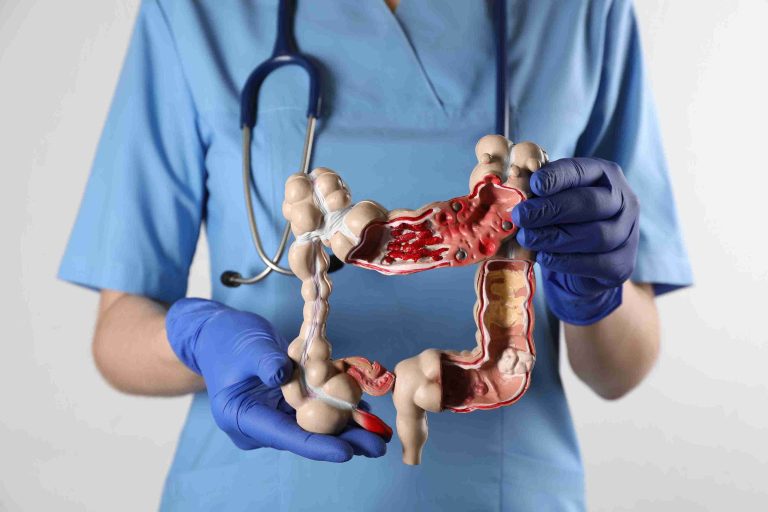
Colon cancer is one of the most common cancers worldwide, and it doesn’t always develop in isolation. If you’ve ever been told that cancer “runs in the family,” you might already know that genetics can play a significant role. In the case of colon cancer, a family history of the disease or inherited genetic mutations can greatly influence both your risk level and how early you may experience symptoms.
This article explores the relationship between genetics and colon cancer symptoms, focusing on what you should know if you have a family history of the disease. Understanding your risk can empower you to take control of your health through early detection and informed medical decisions.
The Link Between Family History and Colon Cancer
Having a close relative—such as a parent, sibling, or child—diagnosed with colon cancer significantly raises your own risk of developing the disease. According to medical research, individuals with a first-degree relative who has colon cancer are up to two to three times more likely to be diagnosed themselves.
This elevated risk can stem from shared environmental factors, lifestyle habits, and, most importantly, inherited genetic mutations. If more than one family member has had colon cancer, or if it was diagnosed at a younger age (under 50), the likelihood that a hereditary condition is involved increases.
Hereditary Colon Cancer Syndromes
Two primary genetic syndromes are responsible for a notable percentage of inherited colon cancer cases: Lynch syndrome and familial adenomatous polyposis (FAP).
Lynch syndrome, also known as hereditary nonpolyposis colorectal cancer (HNPCC), increases the risk of several cancers, with colon cancer being the most common. People with this condition often develop cancer at a younger age, and the cancer tends to occur on the right side of the colon. Despite the absence of multiple polyps, the cancer risk is significantly higher.
Familial adenomatous polyposis is a rarer but more aggressive inherited condition in which hundreds to thousands of polyps develop in the colon, typically during adolescence. If left untreated, nearly all individuals with FAP will develop colon cancer by the age of 40.
Genetic testing can help identify these conditions, allowing for preventive strategies and earlier surveillance.
Recognizing Colon Cancer Symptoms with a Genetic Risk
One of the biggest challenges in diagnosing colon cancer early is that the symptoms can be subtle or easily mistaken for other conditions. Common signs include changes in bowel habits, persistent abdominal discomfort, unexplained weight loss, and rectal bleeding. However, when colon cancer is linked to genetic conditions like Lynch syndrome or FAP, symptoms may appear earlier and progress more rapidly.
It’s important to know that colon cancer symptoms may differ slightly in genetically predisposed individuals. For example, people with Lynch syndrome might not have the numerous polyps seen in other cases, but they may still develop aggressive tumors. This makes regular screening even more critical for early detection.
If you have a family history of colon cancer, you should not wait for symptoms to appear. Discuss with your doctor whether you need to begin screening before the typical starting age of 45.
Screening Guidelines for High-Risk Individuals
The general population is advised to begin regular colonoscopy screenings at age 45. However, for those with a significant family history or a known genetic condition, screenings may begin as early as 20–25 years old.
For example, someone with Lynch syndrome may need to start screenings every 1–2 years beginning at age 20 or 25, or 2–5 years earlier than the age at which their youngest affected relative was diagnosed. Individuals with FAP may begin screening in adolescence.
Colonoscopy is considered the gold standard because it allows for both the detection and removal of polyps during the same procedure. Earlier and more frequent screenings offer the best chance of catching cancer in its earliest stages—or preventing it entirely.
Role of Genetic Counseling and Testing
If you suspect your family history might indicate a genetic risk, consider speaking to a genetic counselor. These professionals help interpret family histories, assess risk, and recommend appropriate genetic testing.
A simple blood test can often detect mutations linked to Lynch syndrome, FAP, and other hereditary cancer syndromes. While receiving a positive result can be emotionally overwhelming, it also opens the door to life-saving surveillance and prevention strategies—not just for you, but potentially for your entire family.
Genetic counselors can also help navigate the ethical and emotional implications of testing, such as deciding who else in your family should be informed or tested.
Preventive Measures Beyond Screening
While regular screening is essential, lifestyle changes can also help reduce your risk—especially if you’re genetically predisposed. Maintaining a healthy weight, eating a high-fiber and low-fat diet, limiting red and processed meats, and engaging in regular physical activity all support colon health.
In some high-risk cases, more aggressive preventive measures are considered. For individuals with FAP, surgical removal of the colon may be recommended to prevent cancer. For those with Lynch syndrome, regular monitoring of other potentially affected organs may also be necessary, as this syndrome raises the risk for uterine, ovarian, and other cancers.
These medical decisions can be complex and require a team-based approach, involving gastroenterologists, genetic counselors, and sometimes surgeons.
Talking to Family Members About Shared Risk
If a relative has been diagnosed with colon cancer—especially at a young age—it’s important to initiate open conversations about health history within your family. Encouraging loved ones to seek genetic counseling or undergo earlier screening can help detect cancer at a stage when it’s most treatable.
Keeping a documented family health history can also be invaluable. Note the age of diagnosis, the type of cancer, and any genetic test results if available. This information provides crucial context for healthcare providers when assessing your personal risk.
Understanding the Broader Impact of Family History
When colon cancer symptoms appear in someone with no known risk factors, it can come as a surprise. But for those with a documented genetic predisposition, any symptom—even something as common as abdominal cramps or blood in the stool—should be taken seriously.
Recognizing the connection between family history and colon cancer symptoms allows for a more proactive approach to healthcare. It also emphasizes the importance of vigilance—not just for your health, but for the well-being of your children, siblings, and other close relatives.
Conclusion
Family history and genetic factors play a powerful role in determining your risk for colon cancer. Understanding these influences can help guide timely screenings, early interventions, and possibly even preventive treatments. Although having a genetic predisposition may feel daunting, it also provides an opportunity—an opportunity to act early, monitor your health closely, and potentially avoid a life-threatening disease.
By staying informed and working with a healthcare team that understands your individual risk profile, you can navigate this journey with clarity and confidence. Whether or not you’ve experienced symptoms yet, knowing your family’s cancer history and considering genetic testing could be a life-saving step forward.