Key Takeaways
- Both procedures allow doctors to examine the digestive tract, but they differ in scope and purpose.
- One test evaluates a broader portion of the gastrointestinal system, while the other focuses only on the lower colon.
- The choice depends on symptoms, risk factors, and what the doctor needs to assess.
- Understanding the benefits and limitations of each procedure helps patients make informed decisions.
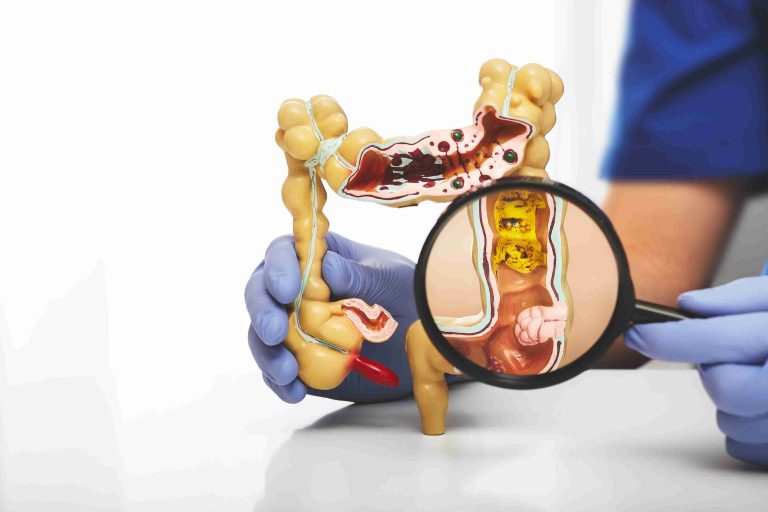
Digestive symptoms such as persistent abdominal pain, bleeding, or changes in bowel habits often require direct visualization of the gastrointestinal tract. Endoscopy is a broad diagnostic procedure that allows doctors to examine internal organs using a flexible camera, while sigmoidoscopy is a more limited test focused on the lower portion of the colon.
The key difference is that one examines a wider area of the digestive system, while the other targets only the sigmoid colon and rectum. Knowing how these procedures differ can clarify why one may be recommended over the other.
What Is Endoscopy?
Endoscopy refers to a group of procedures that use a flexible tube with a camera to view the inside of the body. Depending on symptoms, the scope may be passed through the mouth to examine the esophagus and stomach, or through the rectum to assess parts of the colon. This versatility makes it a valuable tool for diagnosing a wide range of gastrointestinal conditions.
Doctors use this procedure to investigate symptoms such as unexplained pain, chronic heartburn, difficulty swallowing, bleeding, or anemia. Because it allows direct visualization and tissue sampling, endoscopy tests play a key role in identifying inflammation, ulcers, tumors, and infections at an early stage.
What Is Sigmoidoscopy?
Sigmoidoscopy is a specific type of lower gastrointestinal examination that focuses on the rectum and sigmoid colon. It uses a shorter scope and does not evaluate the entire colon. This procedure is often performed without full sedation and typically takes less time than broader examinations.
It is commonly used to assess rectal bleeding, chronic diarrhea, or suspected inflammation in the lower bowel. While sigmoidoscopy is less comprehensive, it can still provide valuable diagnostic information for targeted symptoms.
How the Two Procedures Differ
The main difference between these tests lies in how much of the digestive tract they evaluate. Endoscopy procedures can examine multiple regions depending on the type performed, while sigmoidoscopy is limited to the lower third of the colon. This distinction affects diagnostic accuracy, preparation requirements, and follow-up care.
Another key difference is patient experience. Sigmoidoscopy often requires less preparation and may not involve sedation, whereas broader procedures usually require more extensive bowel preparation and monitoring.
Benefits of Endoscopy
One major advantage of endoscopy is its ability to provide a comprehensive view of internal organs. Doctors can detect early disease, take biopsies, and sometimes treat conditions during the same procedure. This reduces the need for multiple tests and speeds up diagnosis.
It is particularly beneficial for patients with unexplained symptoms affecting the upper or lower digestive tract. The detailed images obtained allow for precise diagnosis and more targeted treatment plans.
Benefits of Sigmoidoscopy
Sigmoidoscopy offers a quicker, less invasive option for evaluating lower bowel symptoms. It is often well tolerated and may be suitable for patients who cannot undergo more extensive procedures. Because it focuses on a specific area, it can be an efficient first step in evaluation.
For screening or monitoring known conditions in the lower colon, sigmoidoscopy provides useful information with fewer risks and a shorter recovery time.
Risks and Limitations
Like all medical procedures, diagnostic endoscopy carries some risks, including reactions to sedation, bleeding, or very rarely, perforation. However, these complications are uncommon when performed by experienced clinicians. The benefits of accurate diagnosis usually outweigh the risks.
Sigmoidoscopy has an even lower risk profile but is limited in scope. It may miss conditions located beyond the sigmoid colon, which is why further testing may still be needed if symptoms persist.
Diagnostic Accuracy and Follow-Up
Because therapeutic endoscopy examines a larger area, it is more likely to detect conditions affecting multiple regions of the digestive tract. This makes it especially useful when symptoms are unclear or widespread. Findings can guide immediate treatment or further testing.
Sigmoidoscopy, while useful, may require follow-up procedures if abnormalities are found or if symptoms suggest disease beyond the examined area.
Who Should Undergo Each Procedure?
Patients with upper digestive symptoms, unexplained bleeding, or complex gastrointestinal complaints are often better candidates for endoscopy. Those with localized lower bowel symptoms may benefit from sigmoidoscopy as an initial evaluation.
The decision should always be individualized, taking into account medical history, risk factors, and physician recommendation.
Conclusion
Both endoscopy and sigmoidoscopy are valuable diagnostic tools with distinct roles in gastrointestinal care. One offers a broader, more comprehensive assessment, while the other provides a focused and less invasive option for specific symptoms. Understanding their differences helps patients know what to expect and why a particular test is recommended. When used appropriately, each procedure contributes significantly to accurate diagnosis and effective treatment.