Discovering blood in your stool can be alarming, and rightly so—it is a symptom that warrants medical evaluation. While not always indicative of something serious, it can signal a range of conditions from harmless hemorrhoids to more severe issues like colorectal cancer. The challenge lies in pinpointing where the bleeding is coming from and why it’s happening.
Understanding the diagnostic tests used to identify the source of blood in stool can help you feel more in control of your health. This article explains the most common tests doctors use to determine the cause, how they work, and when they are recommended.
What Does Blood in Stool Indicate?
Blood in stool typically falls into two categories: visible (gross) bleeding and hidden (occult) bleeding. Visible blood may appear bright red, maroon, or black and tarry, depending on where it originates. Occult blood is not visible to the naked eye and is usually detected through routine screening.
The presence blood in stools can be a sign of conditions such as hemorrhoids, anal fissures, diverticulosis, ulcers, polyps, inflammatory bowel disease (IBD), or colorectal cancer. Given this wide range of possibilities, accurate diagnosis is essential to rule out or confirm serious conditions and begin appropriate treatment.
Initial Evaluation by a Doctor
Before any diagnostic test is performed, your doctor will take a thorough medical history and ask about your symptoms. They may inquire about stool color, frequency of bleeding, associated pain, and any changes in bowel habits. A physical examination often includes a digital rectal exam (DRE) to check for abnormalities like hemorrhoids or masses. Depending on the findings, your doctor will recommend specific tests to investigate further.
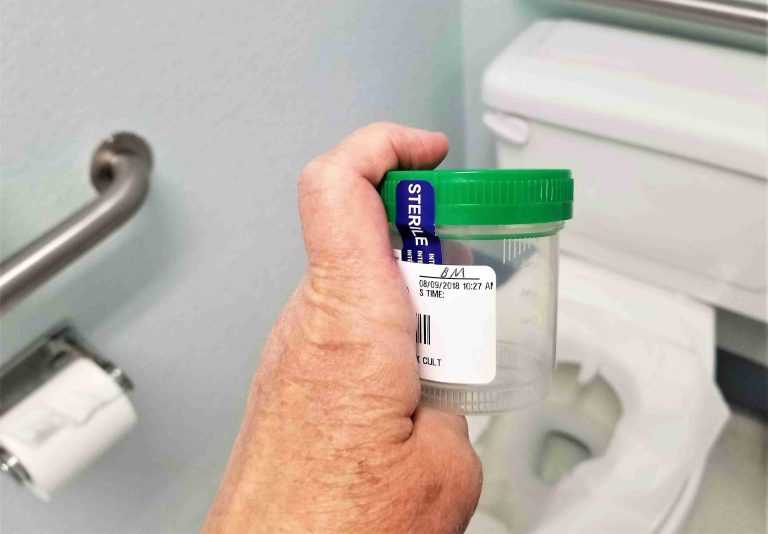
Fecal Occult Blood Test (FOBT) and Fecal Immunochemical Test (FIT)
These are non-invasive screening tests used to detect occult blood in stools. While they don’t determine the exact source of bleeding, they are effective for identifying whether further investigation is needed.
- FOBT detects the presence of blood through a chemical reaction. Dietary restrictions are often required before the test.
- FIT uses antibodies to detect human hemoglobin and is more specific to bleeding in the lower gastrointestinal tract. It does not require dietary restrictions.
If either test returns a positive result, a colonoscopy is usually the next step.
Colonoscopy: The Gold Standard
A colonoscopy is considered the most comprehensive test for identifying the source of blood in stools. During the procedure, a flexible tube with a camera is inserted through the rectum to examine the entire colon and rectum. It allows for direct visualization of bleeding, inflammation, polyps, or tumors.
If any suspicious lesions are found, the doctor can take biopsies or even remove polyps during the same procedure. Colonoscopy not only helps diagnose the cause but can also prevent colorectal cancer by removing precancerous growths.
This test is typically recommended if you are over the age of 45, have risk factors for colon cancer, or present with concerning symptoms like unexplained weight loss or iron deficiency anemia.
Sigmoidoscopy: A Partial View
Sigmoidoscopy is similar to colonoscopy but focuses only on the sigmoid colon and rectum. It can be done with or without sedation and is often used for evaluating lower gastrointestinal bleeding.
While it’s less comprehensive than a full colonoscopy, it may be appropriate if bleeding is suspected to come from the lower end of the colon. Like colonoscopy, it can also involve biopsy or polyp removal.
Upper Endoscopy (EGD)
If bleeding is suspected to originate from the upper gastrointestinal tract (such as the stomach or esophagus), your doctor may recommend an upper endoscopy, also known as esophagogastroduodenoscopy (EGD).
In this procedure, a thin, flexible scope is inserted through the mouth to inspect the esophagus, stomach, and upper part of the small intestine. EGD is especially helpful if the stool appears black and tarry—a sign of digested blood from upper GI bleeding.
This test can help detect ulcers, esophageal varices, or tumors that may be responsible for the bleeding.
Capsule Endoscopy
In cases where the source of bleeding remains elusive despite upper and lower endoscopies, capsule endoscopy may be used. This innovative procedure involves swallowing a small capsule equipped with a camera. As it travels through the digestive tract, it takes thousands of images that are transmitted to a recorder worn on the patient’s waist.
Capsule endoscopy is especially useful for identifying bleeding in the small intestine, which is difficult to reach with standard scopes. It’s a painless and non-invasive test but is generally reserved for cases of unexplained gastrointestinal bleeding.
CT Angiography and Tagged Red Blood Cell Scan
When active bleeding is suspected and endoscopy is not feasible or unsuccessful, imaging tests such as CT angiography or a tagged red blood cell scan may be used.
- CT Angiography can detect active bleeding by visualizing contrast dye leaking from blood vessels.
- Tagged RBC Scan involves labeling a sample of the patient’s red blood cells with a radioactive substance and reintroducing them into the body to trace the site of bleeding.
These imaging techniques can help localize the bleeding source in real-time, particularly during episodes of significant or ongoing blood loss.
Blood Tests and Anemia Workup
In addition to stool and imaging tests, blood tests are often performed to assess the impact of bleeding. A complete blood count (CBC) may reveal anemia, which suggests chronic blood loss. Iron studies may be used to determine if the body’s iron levels are depleted due to persistent bleeding.
While these tests do not identify the source of the bleeding, they provide valuable insight into how much blood has been lost and whether intervention is urgently needed.
The Role of Biopsy and Histological Examination
When abnormal tissue is found during endoscopy, a biopsy is typically taken. The tissue sample is examined under a microscope to look for inflammation, infection, dysplasia, or cancer.
Biopsy results often determine the treatment plan, especially if a polyp or suspicious lesion is discovered. Early detection of conditions like colorectal cancer through biopsy can significantly improve outcomes.
When to See a Doctor
Not all instances of blood in stools are emergencies, but it’s important not to ignore them—especially if the bleeding is persistent, heavy, or accompanied by other symptoms like abdominal pain, weight loss, or fatigue.
Even small traces of blood should be evaluated, particularly in individuals over the age of 45 or those with a family history of gastrointestinal diseases. Early diagnosis can make a crucial difference, especially if the cause is malignant or pre-malignant.
Conclusion
Identifying the source of blood in stool involves a careful blend of clinical judgment, patient history, and a variety of diagnostic tools. From simple stool tests to advanced imaging and endoscopic techniques, modern medicine offers a comprehensive approach to uncovering the cause of gastrointestinal bleeding.
Understanding the range of available diagnostic tests empowers you to take action quickly and appropriately when faced with blood in stools. Whether the cause turns out to be benign or serious, timely diagnosis paves the way for effective treatment and peace of mind.