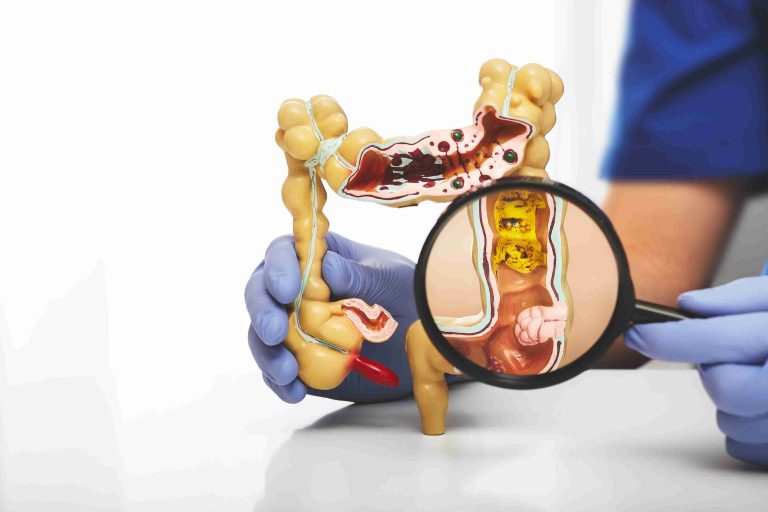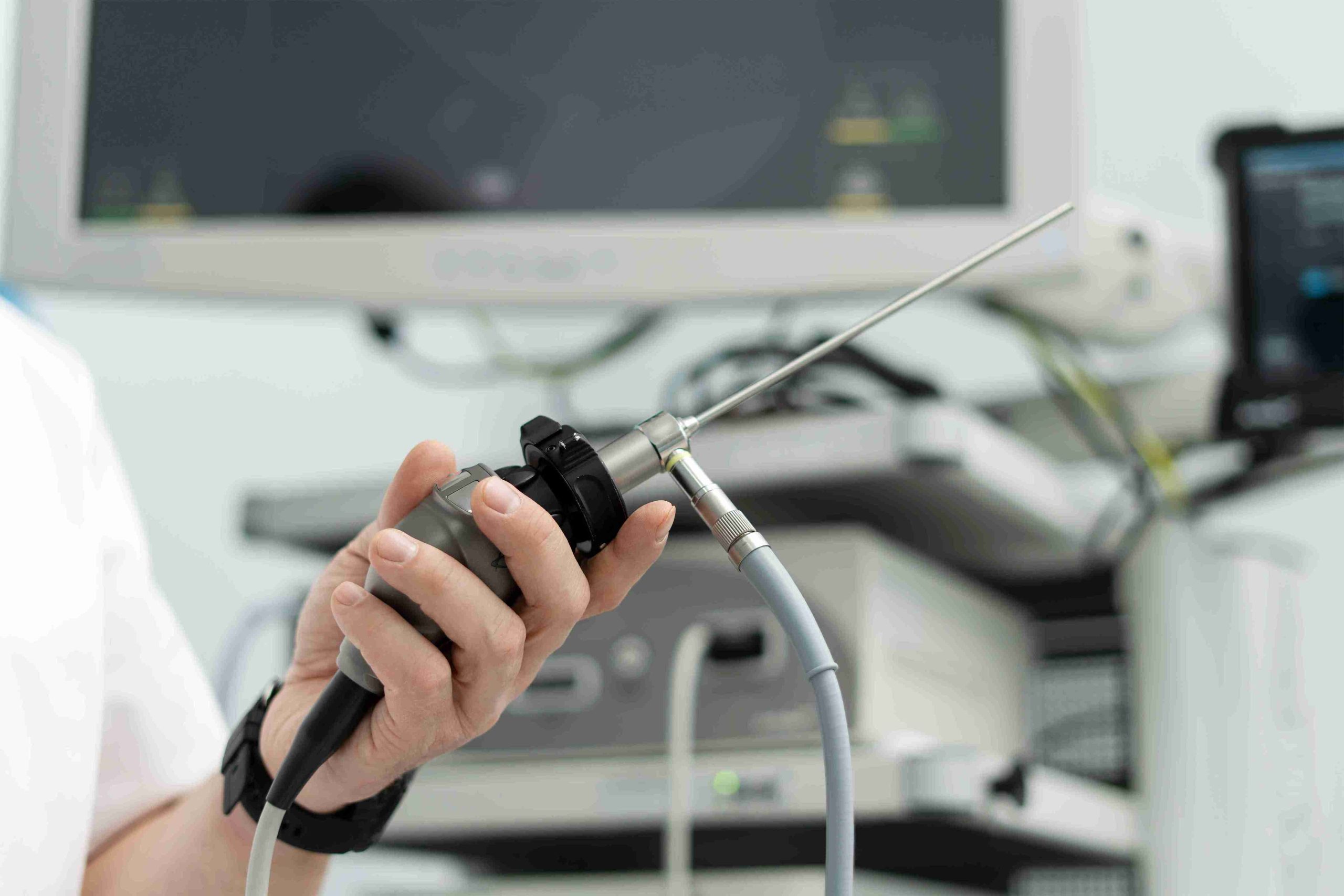
Endoscopy is a widely used medical procedure that allows doctors to examine the inside of the body using a flexible tube with a camera and light. This minimally invasive technique helps in diagnosing, monitoring, and sometimes treating various conditions affecting the digestive system, respiratory tract, and other areas. Because endoscopy provides a clear view of internal structures, it plays a crucial role in identifying diseases early and guiding appropriate treatment plans.
How Endoscopy Works
Endoscopy involves inserting a thin, flexible tube called an endoscope into the body through a natural opening, such as the mouth or rectum. The endoscope is equipped with a camera that transmits real-time images to a monitor, allowing doctors to observe tissues and organs in detail. Depending on the area being examined, different types of endoscopies are used:
- Gastroscopy (Upper Endoscopy) – Examines the esophagus, stomach, and upper small intestine.
- Colonoscopy – Evaluates the colon and rectum.
- Bronchoscopy – Inspects the lungs and airways.
- Cystoscopy – Examines the bladder.
- Laryngoscopy – Assesses the throat and vocal cords.
Now, let’s explore some of the common conditions that endoscopy can help diagnose.
Gastroesophageal Reflux Disease (GERD)
GERD is a chronic condition where stomach acid frequently flows back into the esophagus, causing irritation and discomfort. Symptoms include heartburn, regurgitation, and difficulty swallowing. Endoscopy is used to detect signs of esophageal damage, inflammation, or complications such as Barrett’s esophagus, a condition that increases the risk of esophageal cancer.
Peptic Ulcers
Peptic ulcers are open sores that develop on the lining of the stomach, small intestine, or esophagus. They are often caused by Helicobacter pylori (H. pylori) infection or long-term use of nonsteroidal anti-inflammatory drugs (NSAIDs). Endoscopy allows doctors to locate ulcers, assess their severity, and obtain tissue samples to check for H. pylori infection or cancerous changes.
Barrett’s Esophagus
Barrett’s esophagus is a condition where the lining of the esophagus changes due to prolonged acid exposure from GERD. This condition increases the risk of esophageal cancer. During an endoscopy, doctors look for abnormal tissue and may take biopsies to determine if there are precancerous or cancerous cells.
Celiac Disease
Celiac disease is an autoimmune disorder in which the ingestion of gluten damages the small intestine. People with this condition often experience digestive issues such as diarrhea, bloating, and malabsorption of nutrients. An endoscopy with a biopsy of the small intestine can confirm the diagnosis by showing inflammation and damage to the intestinal lining.
Inflammatory Bowel Disease (IBD)
IBD includes Crohn’s disease and ulcerative colitis, both of which cause chronic inflammation of the digestive tract. Symptoms include abdominal pain, diarrhea, weight loss, and fatigue. Colonoscopy and gastroscopy are used to visualize inflammation, ulcers, and other signs of IBD. Biopsies taken during endoscopy help confirm the diagnosis and monitor disease progression.
Colorectal Polyps and Cancer
Colonoscopy is the most effective method for detecting colorectal polyps and cancer. Polyps are abnormal growths in the colon that may develop into cancer over time. Regular colonoscopy screenings allow for early detection and removal of polyps, significantly reducing the risk of colorectal cancer.
Esophageal and Gastric Cancers
Endoscopy plays a vital role in diagnosing esophageal and gastric cancers. Symptoms such as difficulty swallowing, unexplained weight loss, and persistent indigestion may prompt an endoscopic evaluation. A biopsy taken during the procedure helps determine whether cancerous cells are present, guiding further treatment.
Gallbladder and Biliary Diseases
Endoscopic Retrograde Cholangiopancreatography (ERCP) is a specialized endoscopic procedure used to diagnose and treat conditions affecting the bile ducts, gallbladder, and pancreas. It helps detect gallstones, bile duct strictures, and tumors that may obstruct bile flow, leading to jaundice and digestive problems.
Pancreatitis
Pancreatitis is inflammation of the pancreas, which can be caused by gallstones, alcohol consumption, or infections. Endoscopic ultrasound (EUS) provides detailed images of the pancreas and can help diagnose pancreatic cysts, tumors, or other abnormalities that contribute to inflammation.
Helicobacter Pylori Infection
- pylori is a bacterium that infects the stomach lining and contributes to ulcers and gastritis. Gastroscopy with biopsy can detect the presence of H. pylori, allowing for targeted antibiotic treatment to eradicate the infection and prevent complications.
Swallowing Disorders (Dysphagia)
Patients experiencing difficulty swallowing may undergo an endoscopic evaluation to identify structural abnormalities, such as strictures, tumors, or achalasia (a condition affecting esophageal muscle function). Endoscopy allows doctors to diagnose the cause of dysphagia and recommend appropriate treatments.
Gastrointestinal Bleeding
Endoscopy is essential for identifying the source of gastrointestinal bleeding, which may result from ulcers, polyps, diverticulosis, or varices (swollen blood vessels in the esophagus). Doctors can also perform therapeutic interventions during the procedure, such as cauterizing bleeding vessels or placing clips to stop the bleeding.
Importance of Endoscopy in Early Diagnosis
Many gastrointestinal conditions develop gradually and may not present noticeable symptoms in the early stages. Endoscopy enables early detection, improving treatment outcomes and preventing complications. Regular screenings, especially for individuals at higher risk of conditions such as colorectal cancer, are crucial for maintaining digestive health.
Conclusion
Endoscopy is a powerful diagnostic tool that helps identify a wide range of conditions affecting the digestive system and beyond. From detecting acid reflux damage and ulcers to diagnosing cancers and inflammatory diseases, this procedure allows for accurate and timely diagnosis. If you experience persistent digestive symptoms, unexplained weight loss, or changes in bowel habits, consulting a doctor about the possibility of undergoing an endoscopy can help in early detection and effective management of potential health issues.