Key Takeaways
- Colonoscopy screening is essential for early detection of colorectal cancer and precancerous polyps.
- Sedation can improve patient comfort, procedural ease, and anxiety management but carries additional risks that require monitoring.
- Unsedated colonoscopy may be safer for certain patients and allows quicker recovery but can increase procedural discomfort.
- Understanding the benefits, risks, and preparation requirements of both approaches helps patients make informed, personalized decisions.
Colorectal cancer is one of the leading causes of cancer-related deaths worldwide, yet it is highly preventable when detected early. Colonoscopy screening is the most effective method for identifying colorectal cancer and precancerous polyps, allowing for early intervention and improved long-term outcomes [1]. Patients considering colonoscopy screening often wonder whether sedation or an unsedated approach is safer and more appropriate for their individual situation.
Colonoscopy screening with sedation is generally considered safe for most patients, though both sedated and unsedated procedures have specific risks and benefits that should be evaluated in consultation with a healthcare provider.
Making the right choice depends on individual health status, tolerance for discomfort, and anxiety levels, as well as procedural complexity.
What Is Colonoscopy Screening?
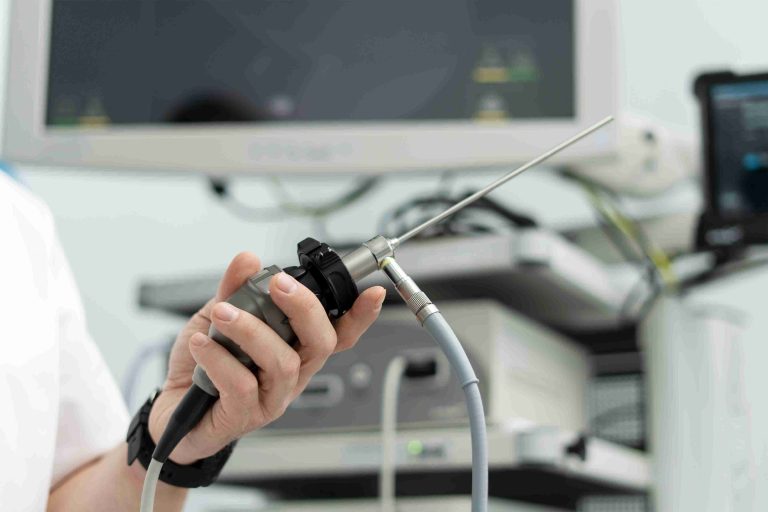
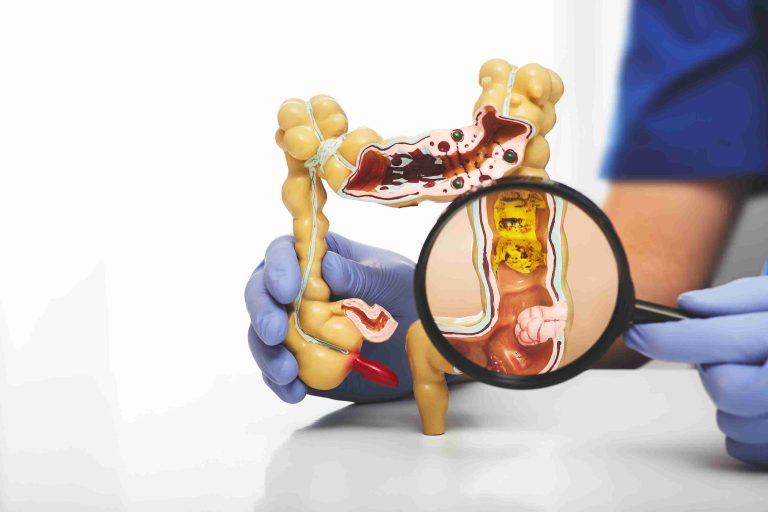
Colonoscopy screening is a diagnostic and preventive procedure in which a flexible tube with a camera is inserted through the rectum to examine the entire colon. The procedure allows physicians to detect and remove polyps, which are precancerous growths, thereby preventing the development of colorectal cancer.
Colonoscopy check is recommended for average-risk adults starting at age 45, or earlier for those with a family history of colorectal cancer or other high-risk conditions. Colonoscopy can be performed with sedation, in which medications relax the patient or induce sleep, or without sedation, where the patient remains awake and alert throughout the procedure.
Benefits of Sedated Colonoscopy Screening
Sedation is widely used because it improves patient comfort, reduces anxiety, and allows the physician to perform a thorough examination more easily [2]. Common types of sedation include:
- Conscious sedation: Patient remains responsive but relaxed.
- Deep sedation / general anesthesia: Patient is fully unconscious.
Advantages of Sedation
- Enhanced Comfort: Sedation significantly reduces pain and discomfort, which can otherwise make the procedure stressful.
- Improved Procedural Success: Relaxed muscles allow easier navigation of the colon and higher polyp detection rates.
- Reduced Anxiety: Patients with prior negative experiences or anxiety about medical procedures benefit from a sedated approach.
- Safety with Complex Cases: Sedation is often recommended for longer or more technically difficult colonoscopies.
Despite its safety in most cases, sedation carries potential risks, including respiratory depression, hypotension, or adverse reactions to medications. These risks are mitigated by trained healthcare providers who monitor vital signs and adjust medications accordingly.
Benefits of Unsedated Colonoscopy Screening
Some patients prefer an unsedated colonoscopy to avoid medication-related risks. This approach keeps the patient awake and alert throughout the procedure [3].
Advantages of Unsedated Colonoscopy
- Faster Recovery: Patients can resume normal activities immediately after the procedure.
- Avoidance of Sedation Risks: Eliminates potential respiratory, cardiovascular, or allergic complications.
- Cost-Effectiveness: Reduces procedural costs by eliminating anesthesia services.
- Patient Autonomy: Some patients prefer to be fully aware and in control during the procedure.
However, unsedated colonoscopy can involve more discomfort and anxiety. Patients must tolerate procedural sensations and follow instructions carefully to ensure the exam is complete and effective.
Safety Considerations
Both sedated and unsedated colonoscopy screening are generally safe when performed by experienced clinicians [4]. Choosing the right approach depends on patient health, anxiety levels, and medical history.
Risks and Safety Profile
| Risk | Sedated Procedure | Unsedated Procedure |
| Discomfort / Pain | Minimal | Moderate to high |
| Anxiety / Stress | Low | Moderate to high |
| Sedation-related complications | Respiratory depression, hypotension | None |
| Recovery time | 1–2 hours | Immediate |
| Procedural success | High | Slightly lower if patient cannot tolerate discomfort |
| Cost | Higher due to anesthesia | Lower |
This table highlights that both procedures have distinct advantages and risks. Patient experience, procedural success, and recovery time vary, emphasizing the need for individualized decision-making.
Factors Influencing the Choice
1. Medical History
Patients with respiratory, cardiovascular, or neurological conditions may have higher risks associated with sedation. In these cases, unsedated colonoscopy may be safer. Conversely, patients with significant anxiety, claustrophobia, or previous incomplete colonoscopy may benefit from sedation.
2. Pain Tolerance
Sedation is often preferred for patients with low pain tolerance or heightened sensitivity to gastrointestinal discomfort. Unsedated colonoscopy is better suited for those who can tolerate minor discomfort for a short period.
3. Age and Comorbidities
Older adults and patients with multiple health conditions require careful monitoring during sedation. Unsedated colonoscopy may be a viable option for younger, healthy adults without significant comorbidities.
4. Procedural Complexity
Longer or technically difficult colonoscopies often benefit from sedation to minimize movement, discomfort, and anxiety, improving the likelihood of a complete and accurate examination.
Preparing for Colonoscopy Screening
Proper preparation is essential for safe and effective colonoscopy screening, whether sedated or unsedated:
- Bowel Preparation: Cleansing the colon improves visibility and increases the likelihood of detecting polyps.
- Medication Review: Patients should discuss anticoagulants, blood thinners, or other medications with their provider.
- Fasting: Required for sedated procedures to reduce aspiration risk.
- Hydration and Support: Adequate hydration and a support person may improve safety and comfort.
Proper preparation reduces procedure time, improves safety, and enhances detection rates [5].
Post-Procedure Considerations
After Sedated Colonoscopy
- Recovery time of 1–2 hours is necessary.
- A responsible adult should accompany the patient home.
- Mild bloating or cramping may occur but typically resolves quickly.
After Unsedated Colonoscopy
- Patients can resume normal activities immediately.
- Mild discomfort or bloating may persist briefly.
- No restrictions on driving or returning to work.
Choosing Sedation vs. No Sedation
When Sedation May Be Preferred
- History of anxiety or claustrophobia.
- Anticipated complex or prolonged procedure.
- Low pain tolerance or previous incomplete colonoscopy.
When Unsedated Colonoscopy May Be Preferred
- Desire to avoid medication-related risks.
- Need for immediate recovery and return to daily activities.
- Adequate tolerance for mild discomfort.
Effectiveness of Colonoscopy Screening
Colonoscopy screening procedure is highly effective in preventing colorectal cancer. Sedation may improve procedural completion rates and polyp detection, while unsedated procedures reduce sedation risks and allow faster recovery [6]. Both approaches require proper bowel preparation and patient cooperation.
Summary Table: Sedated vs. Unsedated Colonoscopy Screening
| Feature | Sedated Colonoscopy | Unsedated Colonoscopy |
| Pain / Discomfort | Minimal | Moderate to high |
| Anxiety / Stress | Low | Moderate to high |
| Sedation-related risks | Possible respiratory/cardiac complications | None |
| Recovery time | 1–2 hours | Immediate |
| Procedural success | High | Slightly lower if discomfort occurs |
| Cost | Higher | Lower |
| Ideal candidates | Anxious, low pain tolerance, complex cases | Healthy, low-risk, short procedure |
Conclusion
Colonoscopy examination is a vital preventive measure against colorectal cancer, and both sedated and unsedated procedures are safe when performed by experienced clinicians. Sedation improves comfort, reduces anxiety, and facilitates complex procedures, while unsedated colonoscopy allows faster recovery and avoids medication-related risks.
Choosing the most appropriate approach requires a careful assessment of medical history, anxiety levels, pain tolerance, and procedural complexity. Patients should discuss these factors with their healthcare provider to ensure the safest and most effective colonoscopy screening experience.
Ultimately, early detection through colonoscopy screening—whether sedated or unsedated—remains the most reliable way to prevent colorectal cancer and ensure long-term digestive health.
References
- Rex, D. K., Boland, C. R., Dominitz, J. A., Giardiello, F. M., Johnson, D. A., Kaltenbach, T., … Robertson, D. J. (2017). Colorectal cancer screening: Recommendations for physicians and patients from the U.S. Multi-Society Task Force on Colorectal Cancer. Gastroenterology, 153(1), 307–323. https://doi.org/10.1053/j.gastro.2017.04.001
- Issa, I. A., Lakis, R., & Issa, T. (2025). Sedation in endoscopy: Finding the balance between safety and efficacy. World Journal of Gastrointestinal Endoscopy, 17(8), 109695. https://doi.org/10.4253/wjge.v17.i8.109695
- Hassan, C., Rex, D. K., & Viale, E. (2013). Unsedated colonoscopy: Feasibility, safety, and patient acceptance. Digestive and Liver Disease, 45(12), 989–993. https://doi.org/10.1016/j.dld.2013.06.003
- Cohen, L. B., & Wecsler, J. (2015). Complications of colonoscopy, anesthesia, and sedation. Gastrointestinal Endoscopy Clinics of North America, 25(1), 109–125. https://doi.org/10.1016/j.giec.2014.08.001
- Lee, T. J. W., & Kaltenbach, T. (2018). Bowel preparation for colonoscopy: Current evidence and recommendations. Clinical Endoscopy, 51(6), 549–555. https://doi.org/10.5946/ce.2018.137
- Ko, C. W., Riff, B., & Cheng, S. Y. (2010). Effectiveness and safety of colonoscopy screening: A review of sedated vs unsedated approaches. Gastroenterology Research and Practice, 2010, 564345. https://doi.org/10.1155/2010/564345