Key Takeaways
- Colonoscopy screening is a specific type of endoscopy aimed at detecting abnormalities in the large intestine, including polyps and colorectal cancer.
- While all colonoscopies are endoscopies, not all endoscopies examine the colon; some focus on the upper gastrointestinal tract.
- Colonoscopy screening is the gold standard for early detection of colon cancer, while other endoscopic procedures serve different diagnostic purposes.
- Patients should choose the procedure based on symptoms, risk factors, and recommendations from their healthcare provider.
For patients wondering whether to undergo colonoscopy screening or a general endoscopy, colonoscopy screening remains the most effective test for detecting colon-related issues, particularly colorectal cancer, in adults over 45.
What Is Colonoscopy Screening?
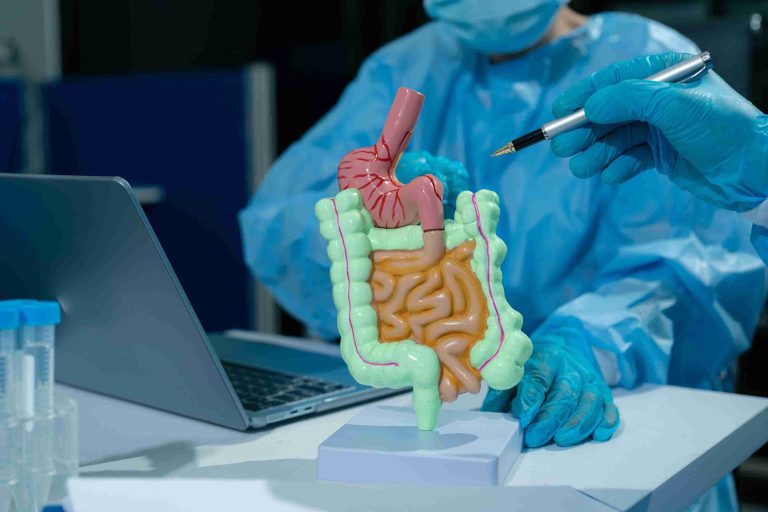
Colonoscopy screening is an endoscopic procedure that examines the entire colon and rectum using a flexible tube equipped with a camera and light. Its primary purpose is to detect early signs of colorectal cancer, precancerous polyps, inflammation, and other abnormalities [1].
Key benefits of colonoscopy screening include:
- Early detection of colorectal cancer: Colonoscopy can identify cancer before symptoms appear.
- Polyp removal during procedure: Precancerous polyps can be removed immediately.
- Accurate diagnosis: Offers a complete visual evaluation of the colon.
- Long‑term monitoring: Recommended at intervals based on findings and risk factors.
According to clinical evidence, colonoscopy screening is associated with substantial reductions in colorectal cancer incidence and mortality when used in routine population screening [2].
Understanding Endoscopy
Endoscopy is a broader term referring to any procedure using an endoscope to examine internal organs, including parts of the gastrointestinal (GI) tract [3]. This includes the following:
- Gastroscopy: Examines the esophagus, stomach, and upper small intestine.
- Colonoscopy: Evaluates the colon and rectum.
- Sigmoidoscopy: Focuses on the lower part of the colon.
- ERCP (Endoscopic Retrograde Cholangiopancreatography): Examines the bile ducts and pancreatic ducts.
Benefits of endoscopy in general:
- Comprehensive evaluation: Depending on type, endoscopy can examine upper or lower GI areas.
- Early detection: Identifies cancer, ulcers, or lesions before symptoms worsen.
- Minimally invasive: Reduces the need for surgical intervention.
- Biopsy capability: Allows tissue sampling for lab analysis.
This distinction clarifies why colonoscopy screening is specifically recommended for colorectal concerns, while other endoscopic procedures serve different diagnostic purposes.
Colonoscopy Screening vs Endoscopy: Key Differences
| Feature | Colonoscopy Screening | Other Endoscopy Types | Notes |
| Area Examined | Entire colon and rectum | Upper GI tract, bile ducts, pancreas | Colonoscopy focuses on lower GI tract |
| Diagnostic Purpose | Detects polyps, colorectal cancer, inflammation | Detects ulcers, reflux complications, bile/pancreatic issues | Procedure choice depends on patient symptoms |
| Procedure Time | 30–60 mins | 10–60 mins depending on type | Colonoscopy typically longer due to full colon evaluation |
| Preparation | Bowel prep required | Fasting for upper GI endoscopy | Colonoscopy prep is more involved |
| Sedation | Usually mild to moderate | Varies by procedure | Both are minimally invasive |
| Biopsy Capability | Yes, during procedure | Yes, varies by endoscopy type | Tissue samples can be obtained in both |
Patients should understand that colonoscopy specifically targets the lower GI tract, while other endoscopic procedures evaluate different sections, aligning diagnostic choice with symptoms and clinical goals.
When Colonoscopy Screening Is Recommended
Colonoscopy screening exam is generally recommended for:
- Adults aged 45 and above for routine colorectal cancer screening [4].
- Individuals with family history of colorectal cancer.
- Patients experiencing persistent rectal bleeding, blood in stools, or unexplained changes in bowel habits.
- People with chronic inflammatory bowel diseases, such as ulcerative colitis or Crohn’s disease.
Early detection through colonoscopy screening significantly improves treatment outcomes; five-year survival rates are substantially higher for colorectal cancer detected at early stages [5].
When Other Endoscopy Types Are Needed
Other endoscopy procedures may be appropriate for:
- Upper GI symptoms like heartburn, acid reflux, or unexplained vomiting (gastroscopy).
- Lower GI symptoms such as frequent diarrhea or lower abdominal pain (sigmoidoscopy).
- Bile duct or pancreatic issues (ERCP).
While a colonoscopy screening test is crucial for colon health, other endoscopies help diagnose conditions in different regions of the GI tract.
Effectiveness and Safety
Colonoscopy screening is considered the gold standard for colorectal evaluation due to its high accuracy and preventive benefits [6]. Complications are rare, occurring in fewer than 1% of diagnostic colonoscopy procedures, and may include bleeding or perforation [6].
Endoscopy in general is safe, minimally invasive, and often performed on an outpatient basis. Both procedures allow for biopsies, treatment of polyps, and monitoring of chronic conditions.
Cost and Accessibility Considerations
- Colonoscopy Screening Cost: In Singapore, costs typically range from SGD 800–2,500, depending on clinic, sedation, and whether therapeutic interventions are performed.
- Other Endoscopy Costs: Gastroscopy generally costs SGD 400–1,200, while ERCP may be more expensive due to procedural complexity.
Government subsidies, insurance coverage, and health screening packages may help reduce out-of-pocket expenses.
Patient Preparation and Comfort
- Bowel Preparation: Essential for clear visualization during colonoscopy screening.
- Sedation: Most patients receive mild to moderate sedation.
- Post‑Procedure Recovery: Patients are monitored for a few hours before resuming normal activities.
- Follow‑Up: Depending on findings, repeat colonoscopy or further testing may be recommended.
Proper preparation ensures accuracy and minimizes complications, making the procedure as comfortable as possible.
Conclusion
Colonoscopy screening procedure is the most effective endoscopic procedure for detecting colorectal abnormalities and preventing colon cancer, while other endoscopies serve different diagnostic purposes.
Patients should consider age, family history, symptoms, and risk factors when deciding which procedure is right for them. By choosing the appropriate endoscopic test, adults can benefit from early detection, accurate diagnosis, and timely treatment, ensuring long‑term gastrointestinal health.
References
- National Institute of Diabetes and Digestive and Kidney Diseases. (2024). Colonoscopy: Purpose, risks, and preparation. https://www.niddk.nih.gov/health-information/diagnostic-tests/colonoscopy
- Juul, F. E., Asante, G. A., Løberg, M., & Bretthauer, M. (2024). Effectiveness of colonoscopy screening versus sigmoidoscopy screening for colorectal cancer. JAMA Network Open, 7(3), e240007. https://jamanetwork.com/journals/jamanetworkopen
- National Institutes of Health. (2023). Endoscopy. In MedlinePlus Medical Encyclopedia. U.S. National Library of Medicine. https://medlineplus.gov/endoscopy.html
- American Society for Gastrointestinal Endoscopy. (2023). ASGE policy on colorectal cancer screening. https://www.asge.org/home/practice-support/advocacy/policy-statements/asge-policy-on-colorectal-cancer-screening
- American Cancer Society. (2025). Survival rates for colorectal cancer. https://www.cancer.org/cancer/types/colon-rectal-cancer/detection-diagnosis-staging/survival-rates.html
- Zhao, S., Wang, S., Pan, P., Xia, T., et al. (2020). Colonoscopic screening is associated with reduced colorectal cancer incidence and mortality: A systematic review and meta-analysis. Journal of Cancer, 11(20), 5953–5963.