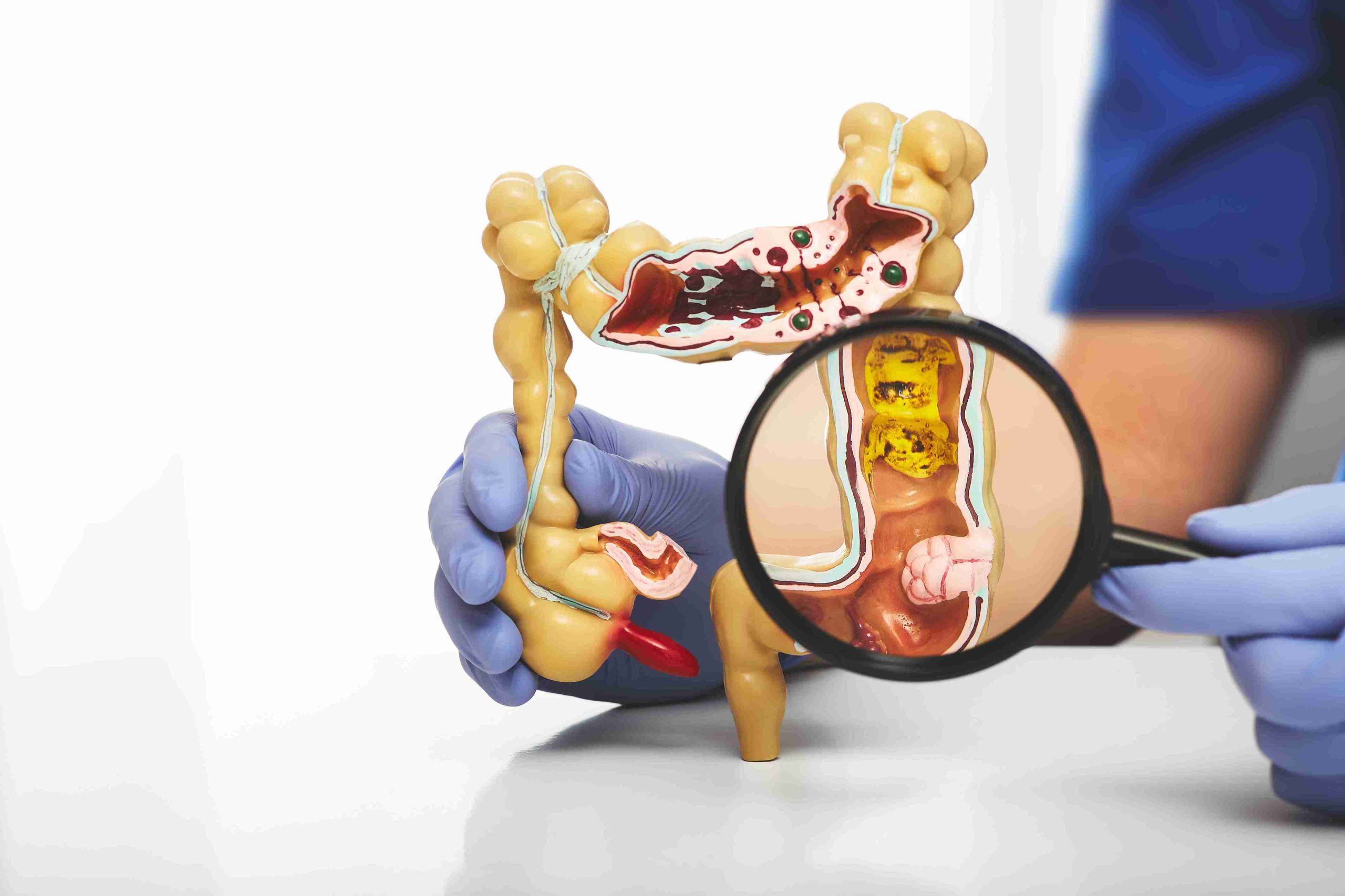
Key Takeaways
- Colon cancer symptoms often involve chronic changes in bowel habits, bleeding, unexplained weight loss, and fatigue, while diverticulitis symptoms more typically include acute lower abdominal pain, fever, and sudden changes in bowel habits.
- Persistent or worsening symptoms should prompt medical evaluation, including imaging or colonoscopy, because early cancer detection significantly improves outcomes.
- Colon cancer symptoms and diverticulitis symptoms can overlap, but key differences in presentation, duration, and associated signs help clinicians distinguish between them.
- A colonoscopy is often used both to investigate ambiguous symptoms and to screen for cancers when risk factors or alarm features are present.
Colon cancer symptoms are often subtle early on and may go unnoticed until the disease advances. According to clinical sources, key presentations include chronic changes in bowel habits (e.g., ongoing diarrhea or constipation lasting more than a few days), narrowing of stool caliber, bright red or dark blood in stool, persistent abdominal discomfort, feeling of incomplete evacuation, unexplained weight loss, and fatigue due to anemia from chronic bleeding [1].
Unlike inflammatory conditions, colon cancer symptoms usually progress over weeks to months and do not resolve spontaneously, making medical evaluation essential. Rectal bleeding or black, tarry stools often prompt urgent investigation. A colonoscopy is the gold standard diagnostic test because it permits visualization and biopsy of suspicious lesions and can detect polyps before they become cancerous.
What Are Colon Cancer Symptoms?
Colon cancer symptoms are often subtle early on and may go unnoticed until the disease advances. According to clinical sources, key presentations include:
- Chronic changes in bowel habits (e.g., ongoing diarrhea or constipation lasting more than a few days)
- Narrowing of stool caliber
- Bright red or dark blood in stool
- Persistent abdominal discomfort (cramping, gas, or pain)
- Feeling of incomplete evacuation
- Unexplained weight loss
- Fatigue due to anemia from chronic bleeding
What Are Diverticulitis Symptoms?
Diverticulitis occurs when small pouches (diverticula) in the colon wall become inflamed or infected, provoking a different symptom profile. Common signs include sudden, sharp abdominal pain — usually in the lower left quadrant — fever, chills, nausea, vomiting, and changes in bowel habits such as diarrhea or constipation [2].
Unlike symptoms of colon cancer, diverticulitis pain tends to be acute and localized, and it is frequently accompanied by systemic signs of infection like fever. Diverticulitis is often diagnosed using CT imaging, which helps confirm inflammation and is typically followed by conservative management or, in complicated cases, hospitalization [3].
Comparing Symptom Patterns
| Symptom | Colon Cancer | Diverticulitis |
| Onset | Gradual, persistent | Sudden, acute |
| Abdominal pain | Often mild, intermittent | Often severe, lower left |
| Blood in stool | Frequent | Can occur, but less common |
| Fever | Rare early | Common |
| Nausea/vomiting | Less common | More frequent |
| Weight loss | Common | Uncommon |
| Bowel habit change | Persistent | Often transient |
| Diagnostic urgency | High | High during acute episodes |
This table highlights how symptom patterns differ: common colon cancer symptoms generally reflect progressive disease, whereas diverticulitis usually reflects an acute inflammatory process. Overlapping signs like abdominal pain and bowel changes underscore why clinicians often use imaging or a colonoscopy when symptoms are ambiguous [4].
When Symptoms Overlap and Misdiagnosis Occurs
Both conditions can present with abdominal pain and bowel habit changes. For example, diverticulitis and colon cancer can each cause constipation, diarrhea, and even blood in the stool, leading to initial diagnostic confusion without imaging studies and colonoscopy visualization [5].
Alarm Features That Require Immediate Medical Evaluation
Certain signs associated with colon cancer symptoms demand urgent medical attention: persistent rectal bleeding or significant blood loss, unintentional weight loss and persistent fatigue, ongoing bowel habit changes lasting more than several weeks, and anemia detected on blood tests.
For diverticulitis, alarm signs typically include severe, escalating abdominal pain, high fever, signs of peritonitis (rigid abdomen, severe tenderness), and vomiting that prevents oral intake. Both scenarios often lead clinicians to recommend imaging, blood tests, and in many cases, a diagnostic colonoscopy to assess the colon and rule out malignancy.
Both scenarios often lead clinicians to recommend imaging, blood tests, and in many cases, a diagnostic colonoscopy to assess the colon and rule out malignancy.
Risk Factors That Influence Symptom Presence
Risk factors for colon cancer symptoms reflect the underlying disease etiology and include:
- Age 50 and older (though younger cases are increasing)
- Family history of colon cancer or polyps
- Personal history of inflammatory bowel disease
- Diets high in red and processed meats
- Smoking and heavy alcohol use
Diverticulitis risk factors include older age and lifestyle contributors such as low dietary fiber intake, obesity, smoking, and lack of exercise. While diverticulitis itself is linked to diverticula formation, symptoms arise when these pouches become inflamed.
How Diagnosis Is Made
Colonoscopy for Cancer Detection
A colonoscopy is the most reliable way to confirm colon cancer warning signs, enabling direct visualization of the colon lining, detection of polyps, and tissue biopsy. Early identification of cancerous or precancerous lesions via colonoscopy significantly improves survival.
Imaging for Diverticulitis
Acute diverticulitis is often evaluated initially with abdominal CT scanning to confirm inflammation and rule out abscesses or perforation. A colonoscopy is usually avoided during an acute flare due to the risk of perforation but may be recommended once inflammation subsides to rule out underlying malignancy or confirm diverticula [6].
Long‑Term Implications and Treatment Differences
Colorectal cancer symptoms indicate a condition that usually requires a multidisciplinary treatment approach including surgery, chemotherapy, and radiation, depending on staging. Early detection through screening colonoscopy can prevent cancer by removing polyps before they become malignant.
Diverticulitis treatment often involves antibiotics, dietary modification, and sometimes surgery for recurrent or complicated cases. Because symptoms often improve with conservative care, chronic or severe cases may result in further evaluation including a colonoscopy to exclude cancer.
Statistics and Clinical Importance
Colon cancer remains one of the most common cancers in adults, and screening strategies like colonoscopy significantly reduce cancer incidence and mortality. Diverticulosis is common, particularly in older adults, and only a subset of individuals develop diverticulitis, but symptom overlap requires careful clinical evaluation to distinguish inflammatory disease from malignancy.
Conclusion
While colon cancer red flags and diverticulitis symptoms can overlap, understanding their distinct patterns helps guide clinical evaluation and management. Colon cancer symptoms tend to develop gradually and persist, often accompanied by bleeding, anemia, and systemic effects, whereas diverticulitis symptoms typically present acutely with localized pain, fever, and signs of inflammation. A colonoscopy plays a key role in distinguishing these conditions when alarm features or persistent symptoms are present, enabling early detection and better outcomes.
References
- Mayo Clinic. (2025). Colon cancer: Symptoms and causes. https://www.mayoclinic.org/diseases-conditions/colon-cancer/symptoms-causes-guide
- Mayo Clinic. (2025). Diverticulitis: Symptoms and causes. https://www.mayoclinic.org/diseases-conditions/diverticulitis/symptoms-causes/syc-20371758
- MSD Manuals. (2025). Colonic diverticulitis. https://www.msdmanuals.com/professional/gastrointestinal-disorders/diverticular-disease/colonic-diverticulitis
- National Center for Biotechnology Information. (1999). Diverticulitis versus colon cancer: Differentiation with helical CT findings. https://pubmed.ncbi.nlm.nih.gov/10207426/
- Peery, A. F., et al. (2024). Follow-up colonoscopy for detection of missed colorectal cancer after diverticulitis. Gastroenterology. https://pubmed.ncbi.nlm.nih.gov/38670477/
- American College of Gastroenterology (ACG). (2023). Colonoscopy guidelines for diverticulitis management. https://gi.org/guidelines/colonoscopy-diverticulitis