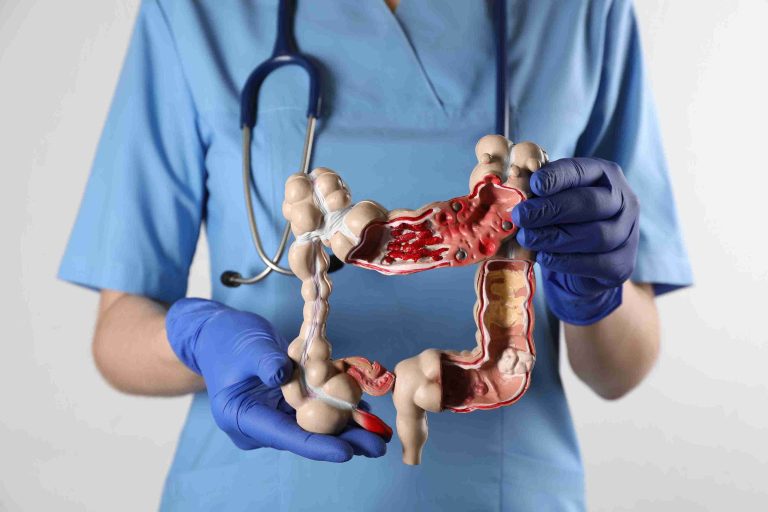
When it comes to serious health conditions, few are as silent yet dangerous as colon cancer. Often developing slowly over several years, it can sneak up on people with little warning until it reaches an advanced stage.
Recognizing the colon cancer symptoms early can make all the difference between successful treatment and late-stage detection. Unfortunately, many of these warning signs are subtle and easily mistaken for minor digestive issues.
Below, we’ll explore the most overlooked colon cancer symptoms, why they’re often missed, and when it’s time to see a doctor.
1. Persistent Changes in Bowel Habits
Changes in your bowel movements may seem harmless or temporary, but they can be an early signal of colon cancer. Many people brush off diarrhea, constipation, or narrower stools as diet-related issues. However, when these changes persist for more than a few weeks, it may indicate something more serious.
- Chronic Constipation or Diarrhea: A tumor in the colon can obstruct the passage of stool, leading to persistent constipation. On the other hand, it can also cause irritation that results in frequent loose stools.
- Narrow or Ribbon-Like Stools: Tumor growth can restrict the colon’s diameter, leading to thinner stools. This symptom is particularly easy to overlook but may point to a partial blockage.
If you notice any long-term changes in your bowel movements—especially when accompanied by fatigue or weight loss—it’s time to consult a healthcare professional.
2. Unexplained Fatigue
Everyone feels tired occasionally, but unexplained, persistent fatigue could be more than just stress or lack of sleep. It can be one of the hidden colon cancer symptoms often dismissed as part of a busy lifestyle.
Colon cancer can cause internal bleeding, leading to a slow loss of red blood cells and resulting in iron deficiency anemia. The body works harder to carry oxygen, making you feel tired, weak, and light-headed even after rest.
If you constantly feel drained and can’t pinpoint a reason—especially if your fatigue comes with pale skin or shortness of breath—it’s worth discussing with your doctor.
3. Abdominal Discomfort That Doesn’t Go Away
Occasional stomach cramps are normal, but persistent abdominal discomfort—such as bloating, cramping, or gas pain—may be a red flag. Tumors in the colon can block or irritate the digestive tract, leading to chronic abdominal pain. People often mistake this for indigestion or irritable bowel syndrome (IBS). Be alert to:
- Recurrent bloating that doesn’t respond to dietary changes
- Persistent cramping or fullness after small meals
- Pain localized to a specific area of the abdomen
These signs shouldn’t be ignored, especially if they appear alongside other colon cancer symptoms like blood in stool or changes in bowel habits.
4. Blood in the Stool
One of the most critical yet overlooked colon cancer symptoms is rectal bleeding or blood in the stool. Many dismiss small amounts of blood as hemorrhoids or minor tears, but consistent bleeding should never be ignored. Colon tumors can cause small lesions that bleed intermittently, leading to:
- Bright red blood in stool (from the lower colon or rectum)
- Dark or tarry stools (from bleeding higher in the digestive tract)
Even if the bleeding seems mild or irregular, it’s important to undergo a colonoscopy to determine the source. Detecting and treating bleeding early can prevent further complications and catch colon cancer in its early stages.
5. Unexplained Weight Loss
Losing weight without trying might sound like a good thing, but when it happens without changes to diet or exercise, it can signal an underlying issue. Colon cancer can cause metabolic changes that alter the way your body uses energy. Additionally, as tumors grow, they can partially block the intestines, making it harder to eat and digest food properly.
If you’ve lost more than 10 pounds within a few months without trying, it’s time to investigate. Unexplained weight loss is one of the more serious symptoms of colon cancer that warrants medical evaluation.
6. Feeling Like Your Bowel Doesn’t Empty Completely
Another subtle symptom many people dismiss is the constant feeling that your bowel isn’t fully empty after a movement. This sensation—known as tenesmus—occurs when a tumor in the rectum or lower colon obstructs stool passage or irritates nerve endings.
You may feel the urge to go frequently, even after just using the toilet. If this symptom becomes consistent, especially when paired with abdominal discomfort or visible blood in the stool, it’s important to seek a professional opinion.
7. Iron Deficiency Anemia
Among the most overlooked signs of colon cancer, iron deficiency anemia deserves special mention. It develops gradually, often with mild symptoms like:
- Persistent fatigue
- Dizziness or light-headedness
- Pale skin and brittle nails
- Shortness of breath during mild activity
This type of anemia often results from chronic internal bleeding within the colon. Over time, the body’s iron stores become depleted, and energy levels drop. Because anemia has many possible causes, doctors often recommend blood tests to pinpoint the source—sometimes revealing colon cancer as the underlying problem.
8. Nausea and Vomiting
While nausea and vomiting are common digestive complaints, they can occasionally point to colon cancer, particularly when a blockage is present. As the tumor grows, it may partially obstruct the colon, preventing the proper passage of waste. This can lead to:
- Persistent nausea
- Vomiting after meals
- Abdominal distention or bloating
If these symptoms occur frequently and don’t improve with typical remedies, it’s worth getting checked, especially when accompanied by other colorectal cancer symptoms.
9. A General Feeling That “Something’s Off”
Some of the most dangerous illnesses manifest subtly. Many patients report that before being diagnosed, they simply felt that something wasn’t right—a persistent, hard-to-define discomfort or sense of imbalance.
Listening to your body’s signals is crucial. Even if the symptoms seem mild, small patterns, such as occasional bleeding, irregular bowel movements, or fatigue, can add up to something more significant over time. When your body is consistently sending signals, it’s always better to check than to ignore them.
10. Why Early Detection Matters
The earlier colon cancer warning signs are recognized, the better the chances of successful treatment. Early-stage colon cancer has a 5-year survival rate of about 90%, while late-stage cancer drops significantly.
Routine screening methods like colonoscopy, stool DNA tests, and fecal immunochemical tests (FIT) can detect cancer before symptoms even appear. People aged 45 and older (or younger individuals with a family history) should discuss screening options with their doctor. Preventive care doesn’t just save lives, it can stop colon cancer before it even starts.
Taking Action: When to See a Doctor
You don’t need to panic over every stomach cramp or bout of constipation, but you should stay alert to patterns and persistence. See your healthcare provider if:
- You have changes in bowel habits lasting more than two weeks
- You notice blood in your stool or unexplained fatigue
- You experience unexplained weight loss or abdominal discomfort
Your doctor may recommend further evaluation or a colonoscopy to rule out serious causes. Early evaluation not only offers peace of mind but can be life-saving.
Conclusion
Colon cancer is one of the most preventable yet deadly cancers worldwide. What makes it dangerous isn’t how fast it spreads, but how easily its early warning signs can be overlooked. Recognizing these colon cancer symptoms—from persistent fatigue and unexplained weight loss to subtle changes in bowel habits—can make a world of difference. Awareness, combined with regular screening, offers the best defense.
If something feels off, don’t ignore it. Listen to your body, consult your doctor, and take proactive steps toward protecting your health. The earlier colon cancer is detected, the higher your chance of full recovery—and a healthier future.