Noticing blood in stools, especially when combined with mucus, can be alarming. While it is a symptom that should never be ignored, it doesn’t always indicate a life-threatening condition. Understanding what this symptom means, its potential causes, and when to seek medical attention can help you respond appropriately and ensure timely care.
What Does Blood in Stools Look Like?
The appearance of blood in stools can provide important clues about its source. Bright red blood usually suggests bleeding from the lower part of the digestive tract, such as the rectum or anus. This may appear on toilet paper, in the toilet bowl, or streaked on the stool surface.
Dark, tarry stools (known as melena) often point to bleeding from higher up in the gastrointestinal tract, such as the stomach or small intestine. When mucus accompanies blood, it may indicate inflammation or infection in the intestines.
Why Is Mucus Present in Stools?
Mucus is a slippery substance naturally produced by the intestines to help stools pass smoothly through the digestive tract. A small amount of clear mucus in stools is normal. However, visible amounts of mucus, especially when mixed with blood, often signal irritation, inflammation, or infection in the bowel lining. The presence of both blood and mucus in stools may indicate that something is disrupting the normal function of the intestinal lining, making it inflamed or damaged.
Common Causes of Blood and Mucus in Stools
There are several possible reasons why you might see blood in stools with mucus. Some causes are minor and easily treatable, while others may require more urgent medical attention.
- Hemorrhoids: Swollen veins in the rectum or anus are a common cause of bright red blood in stools. They may also produce mucus when irritated.
- Anal Fissures: Small tears in the anal lining can cause pain, bleeding, and slight mucus discharge.
- Infections: Bacterial infections such as dysentery or certain foodborne illnesses can lead to diarrhea mixed with blood and mucus.
- Inflammatory Bowel Disease (IBD): Conditions like ulcerative colitis and Crohn’s disease cause chronic inflammation of the digestive tract, often resulting in stools containing both blood and mucus.
- Diverticulitis: Inflammation or infection of small pouches in the colon wall (diverticula) can lead to bleeding and mucus production.
- Polyps or Cancer: Growths in the colon or rectum may bleed and alter normal mucus secretion. While not the most common cause, it’s important to rule out serious conditions like colorectal cancer.
Associated Symptoms That Matter
When you notice blood in stools with mucus, it’s also important to pay attention to accompanying symptoms.
- Abdominal pain or cramps may suggest infection or inflammation.
- Diarrhea or frequent bowel movements could indicate an infectious or inflammatory process.
- Fever often points to infection.
- Unintentional weight loss or fatigue can be a sign of a chronic condition like IBD or even cancer.
The combination of symptoms can help your doctor narrow down the cause more effectively.
When to Seek Immediate Medical Care
Not all cases of blood in stools require emergency care, but there are certain warning signs that should prompt immediate medical attention.
- Large amounts of blood or ongoing bleeding
- Black, tarry stools, which may signal upper gastrointestinal bleeding
- Dizziness, weakness, or fainting, which may indicate significant blood loss
- Severe abdominal pain or fever
- Persistent symptoms lasting more than a few days
If any of these occur, visit a doctor or emergency department right away.
How Doctors Diagnose the Cause of Blood in Stools
Your doctor will start by taking a detailed history, including when the blood in the feces started, how much blood is present, and whether there are other symptoms like pain or diarrhea. A physical examination, including a rectal exam, may be performed to check for hemorrhoids or anal fissures. Depending on the findings, further tests may include:
- Blood tests to check for infection, anemia, or inflammation
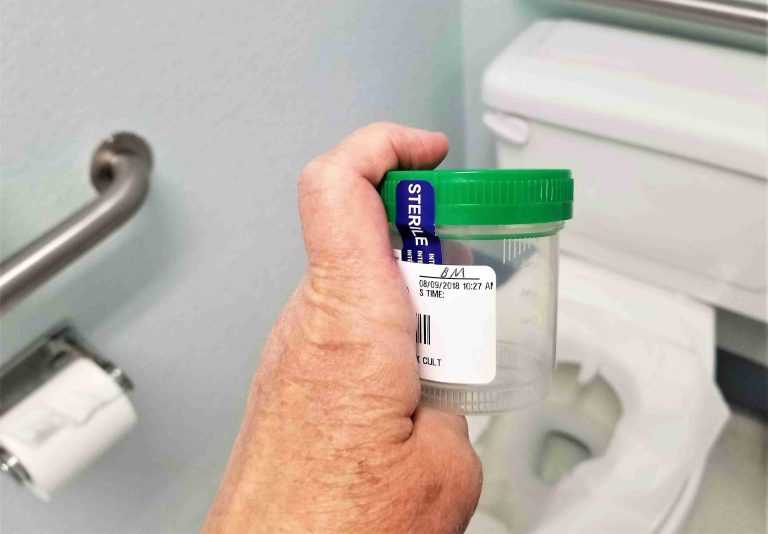
- Stool tests to detect infection or hidden blood
- Colonoscopy to directly view the inside of the colon and rectum
- Flexible sigmoidoscopy to examine the lower part of the colon
- Imaging scans like CT scans if diverticulitis or other structural issues are suspected
These diagnostic steps help determine whether the rectal bleeding is due to a minor problem or a more serious condition.
Treatment Options for Blood and Mucus in Stools
Treatment depends entirely on the underlying cause.
- Hemorrhoids and anal fissures often improve with increased fiber intake, better hydration, and topical treatments.
- Infections may require antibiotics or other medications, depending on the pathogen.
- Inflammatory bowel disease is managed with anti-inflammatory drugs, immunosuppressants, or biologic therapies.
- Diverticulitis may need antibiotics, dietary changes, or in severe cases, surgery.
- Polyps or cancer may require endoscopic removal, surgery, or additional cancer treatments.
Early treatment often leads to better outcomes, which is why seeking medical advice promptly is important.
Can You Prevent Blood in Stools?
While not all causes are preventable, you can reduce the risk by adopting healthy bowel habits. Eating a fiber-rich diet, staying hydrated, and exercising regularly helps prevent constipation, hemorrhoids, and diverticular disease. Attending regular colorectal cancer screenings, especially after age 50 or earlier if you have risk factors, is also crucial for early detection of polyps or cancer.
Avoiding processed foods, managing stress, and seeking timely treatment for gastrointestinal infections or conditions like IBD can also lower the chances of experiencing blood and mucus in stools.
Why Early Medical Attention Matters
Even if the cause is minor, bloody stools with mucus should never be ignored. Early medical evaluation allows doctors to rule out serious conditions and treat the underlying issue before it progresses. Many gastrointestinal problems, including infections and inflammatory diseases, respond well to timely treatment.
Conclusion
Stools with blood with mucus is a symptom that warrants attention, even if it’s not always an emergency. While common causes like hemorrhoids or minor infections are often harmless, persistent bleeding or additional symptoms like pain, fever, or weight loss may signal a more serious problem such as inflammatory bowel disease or colorectal cancer.
Seeing a doctor for proper evaluation can help identify the cause and ensure appropriate treatment. Remember, early diagnosis is key to preventing complications and maintaining good digestive health.