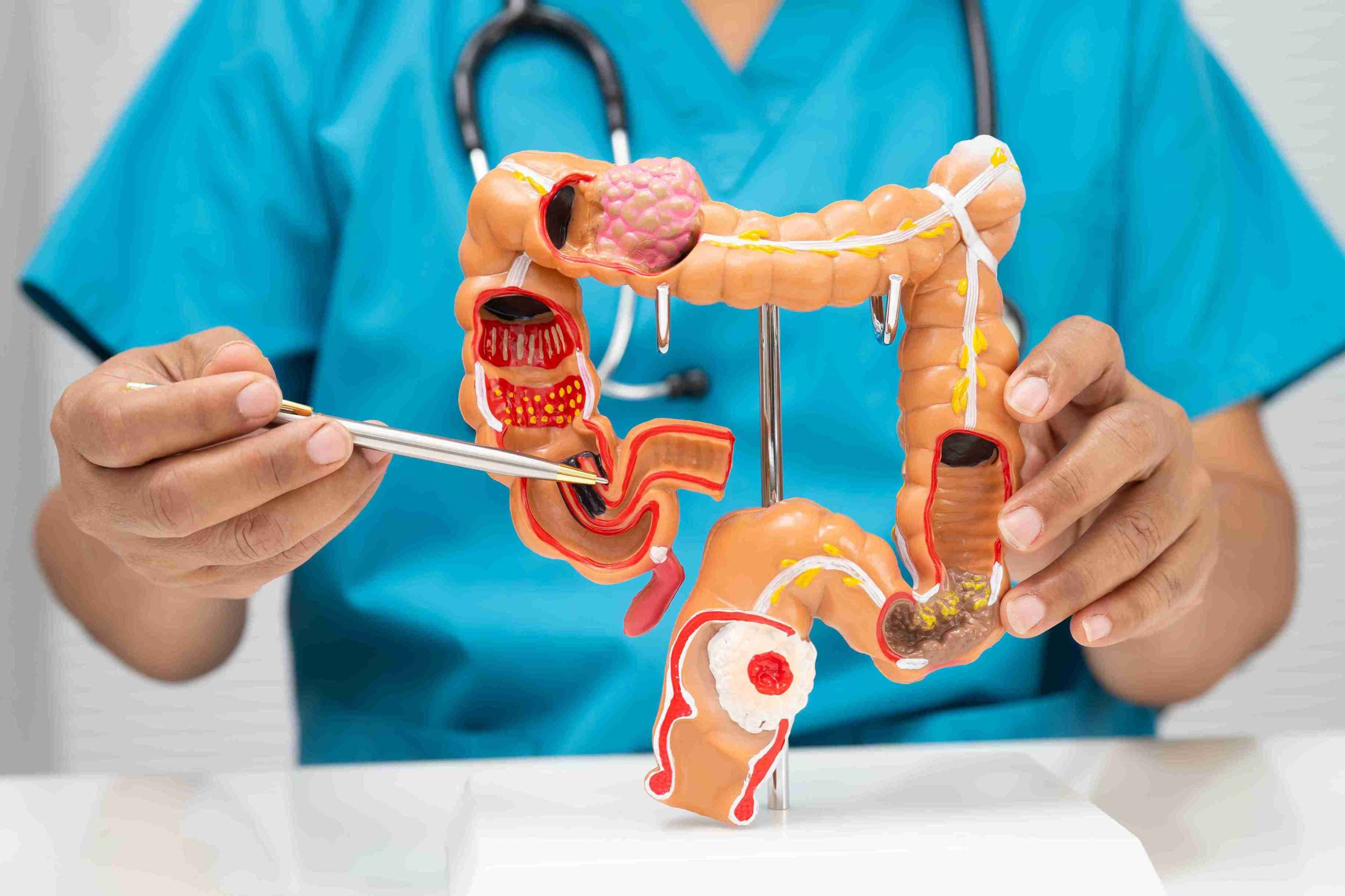
Key Takeaways
- A colonoscopy is the gold standard for detecting colorectal cancer and identifying precancerous polyps before they develop into cancer.
- Delaying a recommended colonoscopy may postpone the diagnosis of colorectal cancer and other digestive conditions, potentially allowing them to progress.
- Many people avoid the procedure because of fear, embarrassment, or misconceptions, but modern colonoscopy is generally safe, well-tolerated, and performed under sedation.
- Following your doctor’s recommendation for screening or investigation can provide reassurance, support early treatment, and promote better long-term digestive health.
Hearing that you need a colonoscopy can make some people anxious. Concerns about the preparation, the procedure itself, or the results often lead people to postpone their appointment. However, delaying an examination that has been recommended by your doctor may reduce opportunities for early diagnosis and treatment.
A recommended colonoscopy should not be delayed because it can detect colorectal cancer early, identify precancerous polyps, investigate persistent digestive symptoms, and help doctors diagnose conditions before they become more advanced [1].
Whether the procedure has been advised because of symptoms, family history, or routine screening, understanding its importance can help you make informed decisions about your health.
What Is a Colonoscopy?
A colonoscopy is a procedure that allows a gastroenterologist to examine the lining of the large intestine (colon) and rectum using a long, flexible tube equipped with a small camera. The examination allows doctors to:
- Detect colorectal cancer
- Identify and remove precancerous polyps
- Investigate rectal bleeding
- Assess persistent bowel symptoms
- Diagnose inflammatory bowel disease
- Obtain tissue biopsies when necessary
Unlike many other screening tests, a colonoscopy test can both diagnose abnormalities and treat certain conditions during the same procedure.
Why Might Your Doctor Recommend a Colonoscopy?
A doctor may recommend the procedure for several reasons, including:
- Routine colorectal cancer screening
- Blood in the stool
- Persistent constipation or diarrhoea
- Ongoing abdominal pain
- Iron deficiency anaemia
- Unexplained weight loss
- Positive stool screening test
- Family history of colorectal cancer
- Previous colon polyps
The reason for the examination often determines how urgently it should be performed.
Table: Why a Colonoscopy May Be Recommended
| Reason | Why It Matters |
| Routine screening | Detects colorectal cancer early and identifies precancerous polyps |
| Blood in the stool | Determines the source of bleeding |
| Persistent bowel habit changes | Investigates underlying digestive disorders |
| Abdominal pain | Helps identify structural abnormalities |
| Iron deficiency anaemia | May detect hidden gastrointestinal bleeding |
| Family history of colorectal cancer | Assesses individuals at increased risk |
| Previous polyps | Monitors for recurrence |
| Positive stool test | Confirms whether abnormalities are present |
1. It Can Detect Colorectal Cancer Early
One of the most important reasons not to delay a colonoscopy exam is the opportunity to detect colorectal cancer at an earlier stage.
Early-stage colorectal cancer often causes few or no symptoms. Screening allows doctors to identify disease before it progresses, which may improve treatment options and outcomes. Even when symptoms are present, prompt evaluation helps determine the cause sooner.
2. It Can Prevent Cancer by Removing Polyps
Most colorectal cancers begin as small growths known as polyps.
During a colonoscopy procedure, doctors can often remove these polyps immediately, preventing some from developing into cancer in the future [2].
This preventive benefit makes the procedure unique among many cancer screening tests.
3. Persistent Symptoms Deserve Answers
Digestive symptoms may result from many different conditions, including:
- Haemorrhoids
- Irritable bowel syndrome
- Inflammatory bowel disease
- Diverticular disease
- Colon polyps
- Colorectal cancer
A colonoscopy allows doctors to directly examine the colon and identify the underlying cause of symptoms rather than relying on assumptions [3].
4. Waiting May Allow Disease to Progress
Some digestive conditions gradually worsen over time.
Although not every condition becomes serious, delaying recommended investigations may postpone diagnosis and treatment.
If colorectal cancer or another significant condition is present, earlier identification generally provides more treatment options than diagnosis at a later stage.
5. The Procedure Is More Comfortable Than Many People Expect
Fear is one of the most common reasons people postpone a colonoscopy.
Modern procedures are typically performed under sedation, allowing many patients to remain comfortable throughout the examination [4].
Most people remember very little of the procedure itself and return home on the same day after recovery.
6. It Helps Diagnose More Than Cancer
Although colorectal cancer screening receives significant attention, a colonoscopy also helps diagnose many other gastrointestinal conditions. These include:
- Ulcerative colitis
- Crohn’s disease
- Diverticular disease
- Microscopic colitis
- Colon inflammation
- Benign polyps
- Sources of gastrointestinal bleeding
Obtaining an accurate diagnosis allows doctors to recommend the most appropriate treatment plan.
7. Family History Increases Your Risk
Individuals with a family history of colorectal cancer or advanced polyps often require earlier or more frequent screening [5].
If your healthcare provider recommends a colonoscopy because of inherited risk factors, postponing the examination may reduce opportunities for early detection.
Discussing your family history openly with your doctor helps determine the appropriate screening schedule.
8. Many Serious Conditions Cause Few Early Symptoms
One reason screening programmes are effective is that they identify disease before symptoms appear.
Many people diagnosed through screening report feeling completely healthy beforehand.
Because of this, it is important not to wait until symptoms develop before proceeding with a recommended colonoscopy.
9. Early Diagnosis Can Provide Peace of Mind
Not every abnormal digestive symptom turns out to be serious.
For many patients, undergoing a colonoscopy provides reassurance by confirming that no significant disease is present.
If a condition is identified, treatment can begin earlier, helping prevent complications and reducing uncertainty.
What Happens During the Procedure?
Understanding the process often helps reduce anxiety. A typical colonoscopy involves:
- Bowel preparation the day before the procedure.
- Arrival at the healthcare facility.
- Sedation before the examination.
- Gentle insertion of the colonoscope.
- Careful examination of the colon lining.
- Removal of polyps or biopsies if necessary.
- Recovery before discharge.
The examination itself usually takes between 20 and 45 minutes, although the total visit is longer because of preparation and recovery [6].
Common Misconceptions
“I’ll Wait Until I Have Symptoms”
Many colorectal cancers develop silently, making routine screening especially valuable.
“The Procedure Is Extremely Painful”
Most patients receive sedation and tolerate the examination well.
“I’m Too Young to Worry About Colon Cancer”
Although risk increases with age, colorectal cancer can occur in younger adults, particularly when other risk factors are present.
“If My Stool Test Was Normal, I Don’t Need Further Testing”
In some situations, doctors may still recommend a colonoscopy based on symptoms, medical history, or other findings.
How Can You Prepare?
Before your appointment:
- Follow bowel preparation instructions carefully.
- Inform your doctor about medications and allergies.
- Arrange transport home if sedation will be used.
- Ask questions about the procedure and recovery.
- Discuss any concerns or anxiety beforehand.
Good preparation improves the quality of the examination and helps doctors obtain the clearest possible view of the colon.
Conclusion
Delaying a recommended colonoscopy may postpone the diagnosis of colorectal cancer, precancerous polyps, and other digestive conditions that are often easier to manage when identified early. Whether the procedure has been advised because of symptoms, family history, or routine screening, following your doctor’s recommendation provides valuable information about your digestive health.
Modern colonoscopy remains one of the most effective tools for preventing and detecting colorectal cancer. Rather than allowing fear or uncertainty to delay important healthcare decisions, discussing any concerns with your doctor can help you understand the procedure, prepare confidently, and take an important step toward protecting your long-term health.
References
- Bretthauer, M., Løberg, M., Wieszczy, P., Kalager, M., Emilsson, L., Garborg, K., Rupinski, M., Dekker, E., Spaander, M. C. W., Bugajski, M., Holme, Ø., Zauber, A. G., Pilonis, N. D., Mroz, A., Kuipers, E. J., Shi, J., Hernán, M. A., Adami, H.-O., Regula, J., … Kaminski, M. F. (2022). Effect of colonoscopy screening on risks of colorectal cancer and related death. The New England Journal of Medicine, 387(17), 1547–1556. https://doi.org/10.1056/NEJMoa2208375
- National Cancer Institute. (2024). Colorectal cancer prevention (PDQ®)–patient version. National Institutes of Health. https://www.cancer.gov/types/colorectal/patient/colorectal-prevention-pdq
- American Society for Gastrointestinal Endoscopy. (2017). Appropriate use of GI endoscopy. https://www.asge.org/home/resources/publications/guidelines/appropriate-use-of-gi-endoscopy
- Mayo Clinic. (2026). Colonoscopy. https://www.mayoclinic.org/tests-procedures/colonoscopy/about/pac-20393569
- American College of Gastroenterology. (2026). Colorectal cancer. https://gi.org/topics/colorectal-cancer/
- Mayo Clinic Healthcare. (2026). Private colonoscopy. https://www.mayoclinic.org/uk/specialties/diagnostics/colonoscopy